

Sponsored by 3137 Capital
Good morning. Warm welcomes to November 🍂 personally my favorite time of the year, along with Christmas. Anyone else with me 🙋🏾♂️
Be First —
When a company calls job cuts part of its “regular budget and planning process,” I’ve learned to read that as: we’d rather you didn’t ask for a number. Marriott confirmed this week that it is cutting corporate roles globally but wouldn’t say how many.
Employees posting online point to regional human resources, an IT help desk, the office of consumer affairs that handles escalated guest complaints, and the quality assurance inspectors who check hotels against brand standards, with some leaving in November. Marriott stresses that hotel staff aren’t affected, says some roles are simply “changing,” and expects many affected employees to apply for newly posted positions. It currently lists 88 openings at its Bethesda headquarters or for remote work, many of them under its contingent “Flex” programme, which I read as more jobs on temporary terms. Maryland’s layoff-notice log showed no new Marriott filing as of October 23. What interests me is the choice of departments.
A brand’s main product is a promise of consistency: the same standards at a Courtyard in Ohio as in Osaka, and a complaints desk to call when that promise is broken. Cutting the people who inspect for standards and handle complaints is a curious place for a franchise company to economise, even if, as I suspect, some of that work is heading towards software.
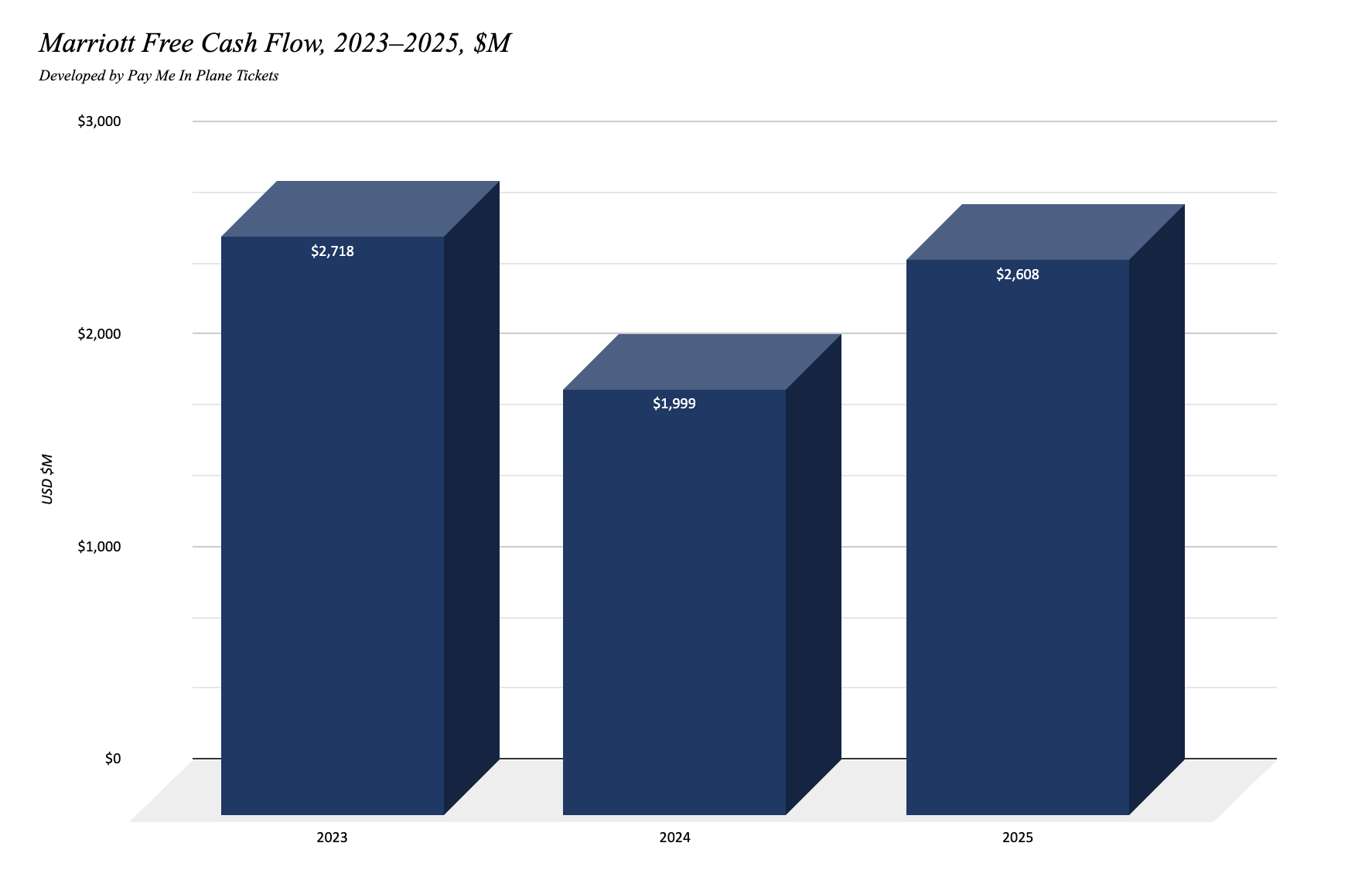
Coming a week after Sonesta’s layoffs, we covered this action on last week’s Margin Call, it also fits a pattern I’ve been tracking: the brands are fine (Marriott generated about $2.6bn of free cash flow last year), but they’re watching their own overheads with the same care that their hotel owners, squeezed by labour and insurance costs, have been forced to watch theirs.
Marriott reports third-quarter results tomorrow, November 2, and the question I’d want answered on the call is simple. Is this trimming fat, or the first sign that management expects fee growth to slow?
Be Smarter —
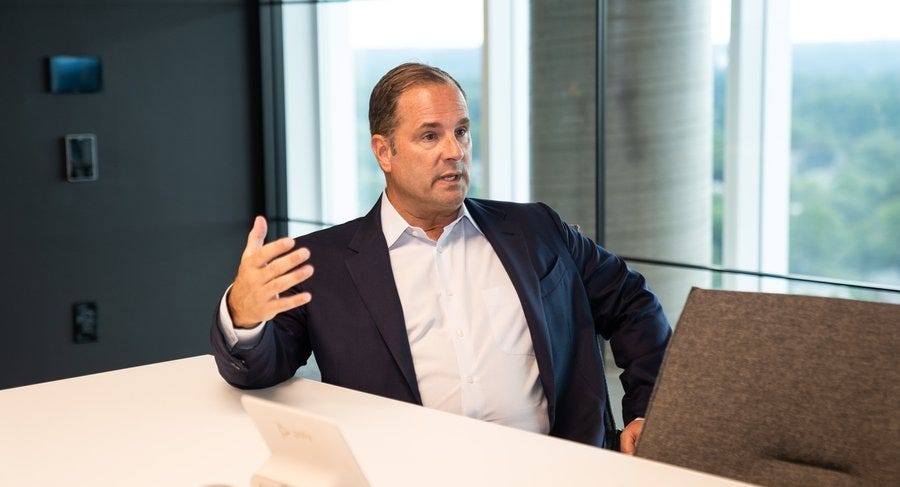
Every few years a new company tells the travel industry it would like to help, and the travel industry has learned to check its wallet. This time it’s Meta. On the company’s third-quarter earnings call, Mark Zuckerberg called travel one of the “top use cases” for Muse, Meta’s new AI agent, and said Meta is weighing ways to make money from it, including taking “a percent of the value that we are helping to create for people,”.
I’ve read a lot of commission agreements, and none of them has phrased it quite that politely. Muse is still young. It lives in WhatsApp for now, with Meta’s AI glasses to follow, and hasn’t reached Meta’s 3.64B daily users. But the early numbers suggest people are using it to buy things: more than 10m people in the US and Canada set it up in about six weeks, roughly a quarter use it daily, more than a quarter of weekly users shop through it, and the average purchase, travel included, is above $200. The supply is already lining up. Expedia is providing hotels, Duffel flights, and Cloudbeds will feed live hotel rates from the first quarter of 2027, with bookings completed on hotels’ own engines, a design Cloudbeds’ chief executive Adam Harris presents as a way to stop another intermediary owning the guest.

As a reader of earlier issues will recall, that is exactly what every new intermediary says. The financial point for me is this: Meta already owns the place where many trips start, the Instagram post or the WhatsApp group chat with friends, and it now wants to be where they’re booked too. Zuckerberg reportedly wants to monetise faster than Meta usually does, which, for a company whose patience with free products has historically been measured in years, tells you how valuable he thinks that moment is. For hotels and online travel agencies, it could mean a new transaction cost on top of the commissions they already pay. With rebate-funded rivals like Uber and Robinhood giving away 10% back, the room left for the hotel’s own margin keeps getting smaller.
The economics of Muse in travel are unproven, but I’d take Zuckerberg at his word when he says he wants a cut. It’s smart to believe him, why, because he usually gets one.
Or Cheat —
Markets have a well-worn way of pricing geopolitical risk: panic first, read the details later. Gulf travelers, are doing something more sensible. Since Houthi attacks on Saudi Arabia intensified in early October, UAE travel platforms say new holiday inquiries have softened, but people who have already booked are still going. “Some people who were planning to book are having a rethink, but those who have made bookings are going ahead,” says Rashida Zahid of Musafir.com, which has had no cancellations and still has bookings running above last year. What’s going on, are they cheating?
In investment terms, I’d call that hesitation rather than flight: demand has paused, not reversed. It also comes after a strong summer. Trip.com says Gulf outbound flight bookings rose 57% year on year, with short- and medium-haul trips making up more than 80% of searches and Asia picking up much of the demand as visa access improved. The booking data doesn’t fully agree.
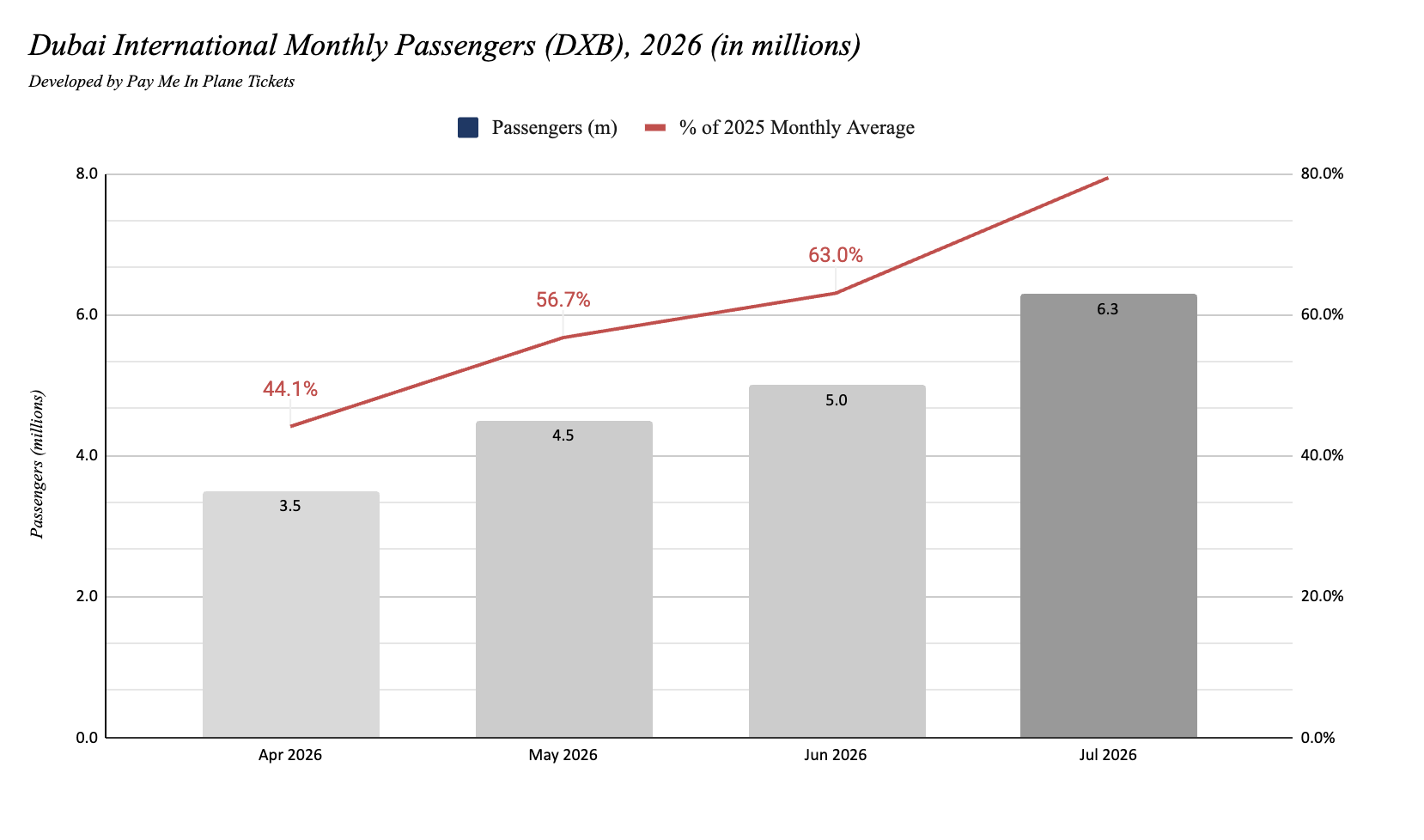
Trip.com says lead times have fallen below 15 days, while Wego says UAE travellers booked October flights 25 days ahead, up from 23. Two platforms, two opposite readings of how far ahead people are planning, which I’ve found is roughly the usual level of agreement among booking data. Operationally, the region’s airspace is largely open, though some Emirates flights to Europe now route along Saudi Arabia’s east coast and via Iraq, which means longer flights and more fuel, an unwelcome addition after United’s fuel bill rose 62% in a single quarter. The exposure I’d watch is further down the chain. Pulse Hotels & Resorts says more than a third of Maldives arrivals fly on Gulf carriers, and after two to three months of disruption earlier in the year, full-year arrivals are unlikely to match 2025.
Gulf travelers have been through enough this year to know the difference between noise and danger, but the destinations that depend on Gulf airlines don’t get a vote in that decision, and they’re the ones whose numbers will show it first.
November is here, full of warmth and that cozy feel! ✊🏾 Margin Call is issued weekly on Tuesdays, found only on Pay Me in Plane Tickets!