
Sponsored by 3137 Capital
Good morning. It’s was conference week and it’s the last week in October and no doubt, it’s getting spooky 👻
Be First —
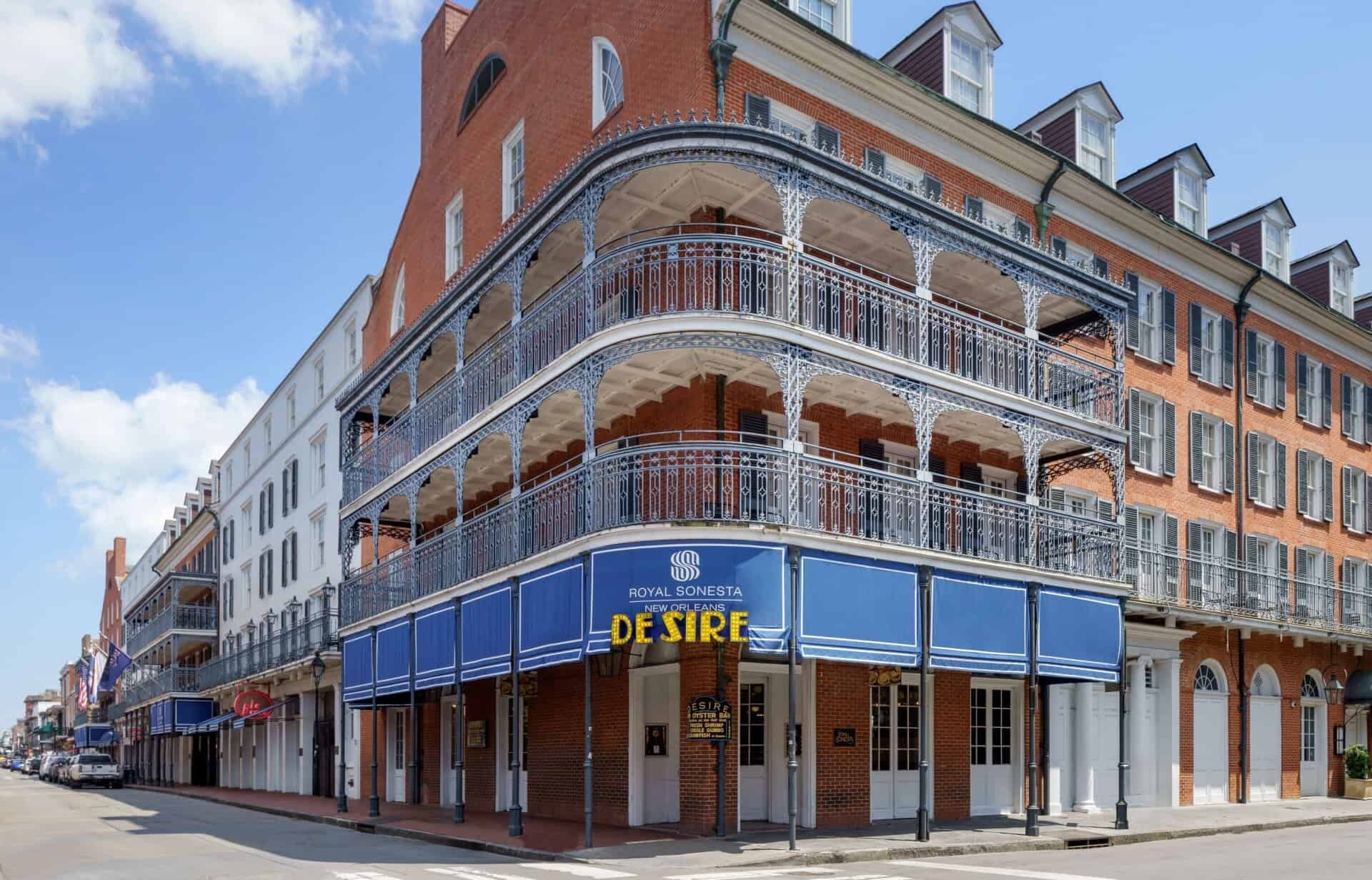
Honestly, first I’ve learned to pay attention when a company’s executives are talking about the future at a conference while its back office is talking to recruiters on LinkedIn. A week after Sonesta’s co-chief executive Keith Pierce told the Lodging Conference that AI was the industry’s “biggest disruptor,” the more pressing disruption at Sonesta turns out to be a fairly old-fashioned one: a cash offer. Skift reports that Sonesta began laying off corporate staff around October 16, across communications, marketing, loyalty, training, food and beverage and accounting. The company hasn’t said how many jobs are affected, and the evidence so far comes from one employee and at least nine LinkedIn posts. The layoffs coincide with an approach from TKO, a South Dakota hotel investor, which has offered $2B in cash for the entire hotel portfolio of Service Properties Trust: 68 Sonesta-run hotels with 17,013 rooms, carried at $3.98B on SPT’s books. I wouldn’t call a bid at roughly half of book value generous, though I’d also remember that book value is what an owner hopes a hotel is worth, not what a buyer has agreed to pay.
The detail I’d watch is that TKO’s first letter required SPT to end every Sonesta management and franchise agreement before closing, which analyst Floris van Dijkum estimates would mean about $500M in separation fees. TKO has since said it is open to keeping Sonesta as franchisor, and SPT’s board says only that it will review the proposal.
For me, the ownership structure is where it gets interesting: SPT owns about a third of Sonesta, and SPT’s chair, Adam Portnoy, is also Sonesta’s controlling shareholder. In other words, the seller and the manager whose contracts are on the line answer to the same person, which must make for efficient meetings. Those 68 hotels are only about 17% of Sonesta’s roughly 100,000 rooms, but they hold much of its upscale inventory, including 17 Royal Sonestas. Lose them, and Sonesta becomes mostly a franchisor of economy and midscale hotels, and as a loyalty member myself, I’d notice the shortage of places worth spending points.
My takeaway: whatever SPT decides, I expect Sonesta’s move from running hotels to licensing its name to speed up, and for a franchise brand, fewer upscale hotels makes the name less valuable.
Be Smarter —
Industry conferences have a reliable mood setting, somewhere between cautious optimism and cautious optimism, and Hotel Dive’s write-up of last week’s Lodging Conference in Phoenix suggests 2026 was no exception.
The headline number came from STR’s Isaac Collazo: average daily rate is up 3.7% so far this year, ahead of inflation. Strip out June and July, when the World Cup did the heavy lifting, and it falls to about 2.9%. More important for anyone who reads income statements, Collazo said hotels have regained momentum but not operating leverage, because expenses are growing slightly faster than revenues. His smart summary, that “pricing power remains limited, and expense growth continues to pressure margins,” fits everything we’ve covered lately, from Chicago’s labour talks to insurance premiums, and is the line I’d keep.
Economist Bernie Baumohl called the industry “in fairly good shape,” with strong demand meeting tightly constrained supply, though he flagged energy prices, a slowdown in consumer spending and unpredictable presidential decisions as risks for 2027.

The rest of the agenda was about where the next dollar of revenue comes from. Sonesta’s Keith Pierce called AI the “biggest disruptor” to the online travel agencies, while Aimbridge’s Craig Smith said AI consultants were split 50-50 on whether the agencies or the brands would win the AI search race, which is a polite way of saying nobody knows. Outdoor hospitality executives insisted their market is “a long, long way from saturation,” and Under Canvas’s Noah Brodsky expects consolidation, with the big brands arriving within five to ten years. In luxury, the message was that experiences, not fixtures, drive the room rate. As Enseo’s David Goldstone put it, “it’s not how much marble you have in the lobby,” and several speakers added that reliable Wi-Fi now matters as much as the thread count. My takeaway: revenue is growing, costs are growing slightly faster, and the industry’s plan for closing that gap is still mostly a slideshow about AI.
Or Cheat —
I’ve always thought airlines are the best illustration of a business where strong demand and good profits are two different things, and United’s latest results are a fine case study. Skift reports that third-quarter revenue rose 17% to about $17.9bn, with premium and loyalty revenue each up 17% and even basic economy up 16%. When I see numbers like that, I usually expect the next line to be a raised forecast. Instead, fuel expense rose nearly 62% in the quarter, adjusted net income came in at $833M, and United guided fourth-quarter adjusted earnings to $0.50 to $1.50 a share, below the $1.76 analysts expected.
The detail I’d circle is the assumption behind it: jet fuel averaging $4.80 a gallon, about 45 cents above consensus, a gap United says is worth roughly $1 a share. Even the top of the range implies no more than $7.22 a share for 2026, according to CNBC, a long way from the $9 to $11 United was guiding to in mid-July. Lest anyone think this is a United problem, Delta cut its 2026 forecast to $5.10 to $5.60 a share from $6.50 to $7.50 and blamed fuel entirely.
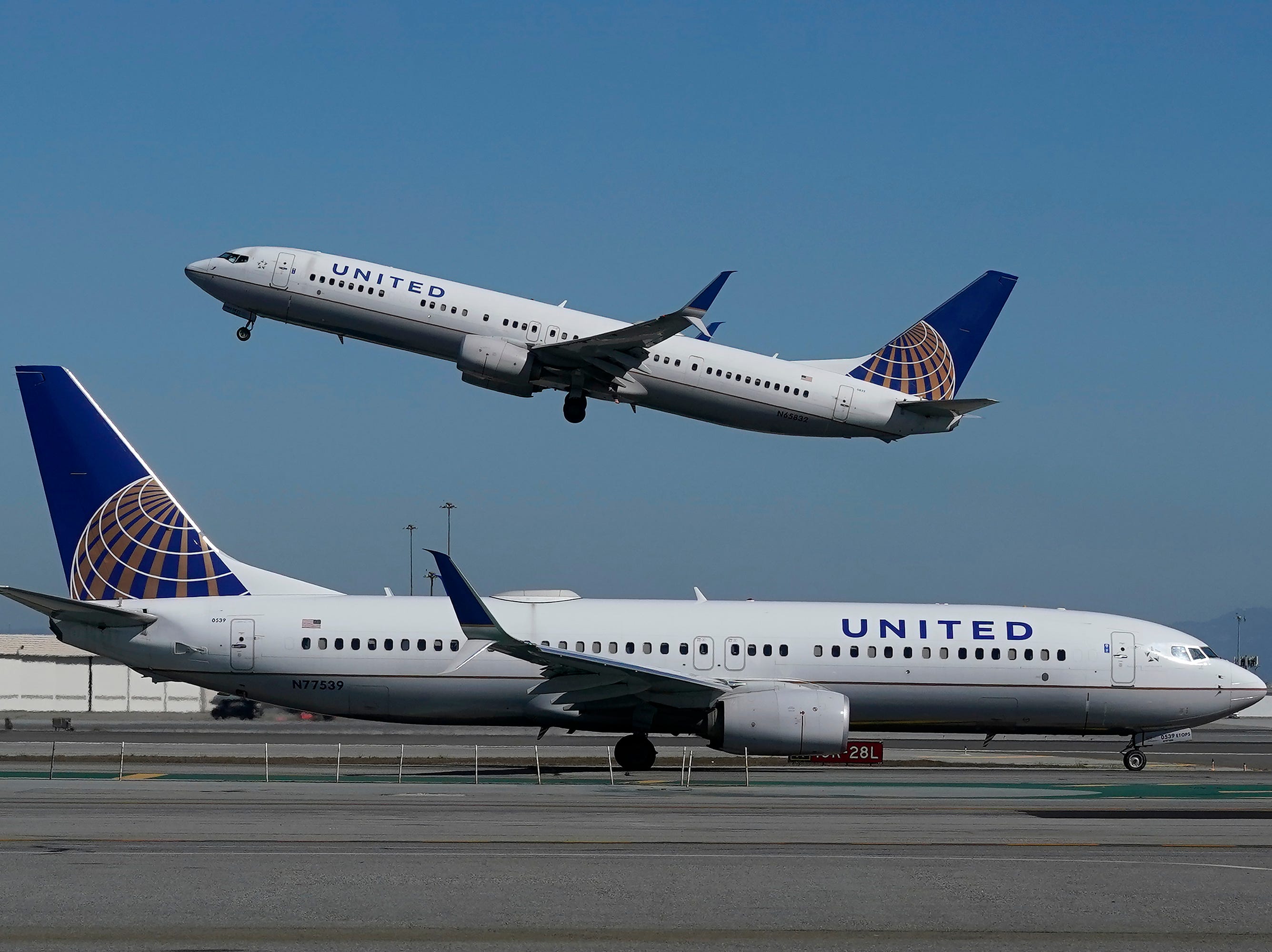
The industry’s cheat answer, as I’ve come to expect, is that passengers will pay. Chief financial officer Michael Leskinen has said to expect more fare increases and capacity cuts, and that United expects to pass on all of its higher fuel costs by year-end. Chief executive Scott Kirby argues higher fares will stick even if oil prices fall, citing strong demand and rising labour, maintenance and airport costs. I’d note, gently, that I’ve heard that prediction during every fuel spike I can remember, and I’m still waiting for one to come true without help from the oil market. For travellers, I’d plan on fewer seats and higher prices this winter. For investors, I think this is a real test of pricing power: if 17% revenue growth can’t keep up with fuel, the industry’s confidence that it can raise fares at will is about to be tested in the earnings, not just on the call.
Happy Halloween everyone! ✊🏾 Margin Call is issued weekly on Tuesdays, found only on Pay Me in Plane Tickets!