


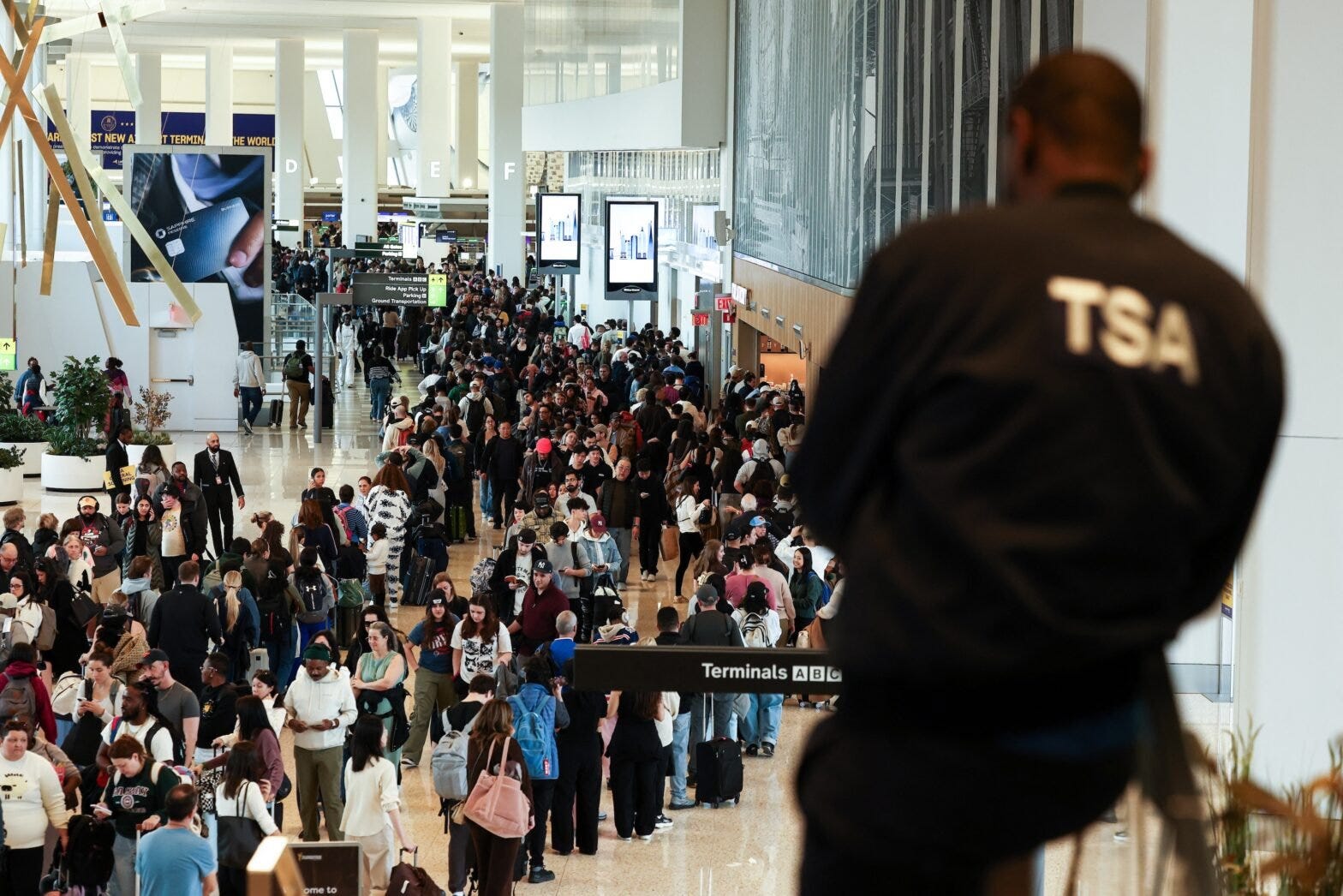
In the grand, echoing halls of American transit, there is a particular kind of silence that precedes a crisis. It is not the absence of sound—the rolling suitcases and robotic gate announcements remain—but the absence of a certain civic friction. The TSA officer, that ubiquitous figure in midnight-blue polyester, is the human element of this friction. They are the only federal employees most Americans will ever physically encounter, yet in the current legislative paralysis of 2026, they have become the first to be treated as ghosts in the machine.
The Anatomy of an Impasse
The current partial government shutdown, now dragging into its second month, was sparked by the tragic events in Minneapolis involving Renee Good and Alex Pretti. The subsequent demand from the House for sweeping DHS reforms has turned the Department of Homeland Security into a legislative hostage.
While the debate rages, the Democratic caucus has attempted to perform a series of surgical extractions. No fewer than seven “clean” funding bills—measures designed to restore pay to the TSA and Coast Guard while leaving the broader immigration debate for a later date—have been introduced in the House. Each has met a quiet death in the Senate, or been preemptively threatened with a veto, leaving the 61,000 men and women of the TSA to serve as the involuntary collateral of a partisan siege.
The Fiscal Plumbing: A Study in Obstruction
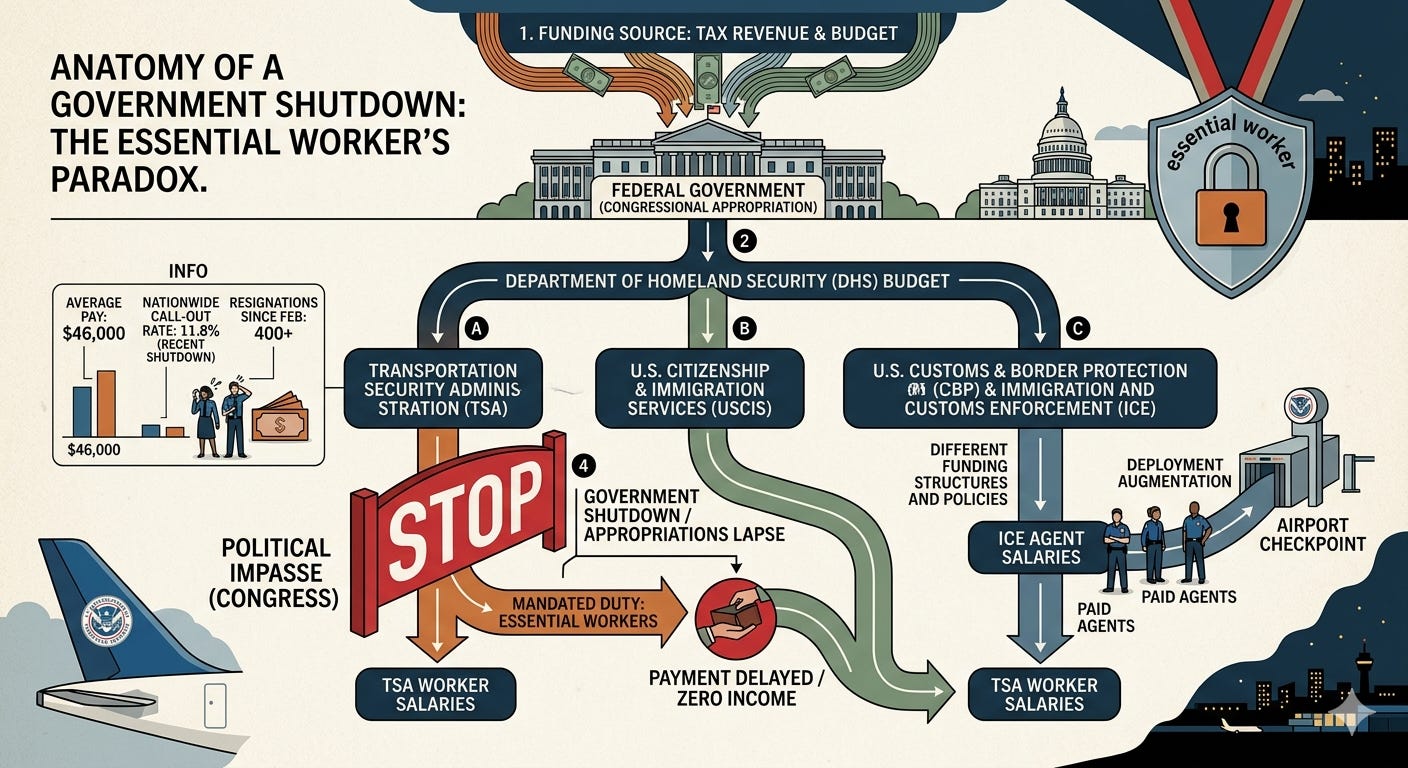
To understand why the TSA worker is the first to suffer, one must look at the plumbing of the federal purse. Below is a map of the current fiscal trajectory—and where the water has been shut off.
Unlike the private sector, where revenue directly fuels operations, a TSA officer’s livelihood is subject to a three-stage gauntlet:
Revenue Collection: Every passenger pays a $5.60 “September 11 Security Fee” per one-way trip. This generates billions annually.
The Treasury Holding: This money is remitted by airlines to the Treasury.
The Appropriation Gate: Despite the money being sitting there, the TSA cannot touch it without an annual act of Congress.
This is the “Essential Worker’s Paradox.” They are legally required to work because their absence would collapse the national economy, but they are legally denied pay because Congress has not signed the “permission slip” to release the funds they have already earned.
The Tactical Substitution
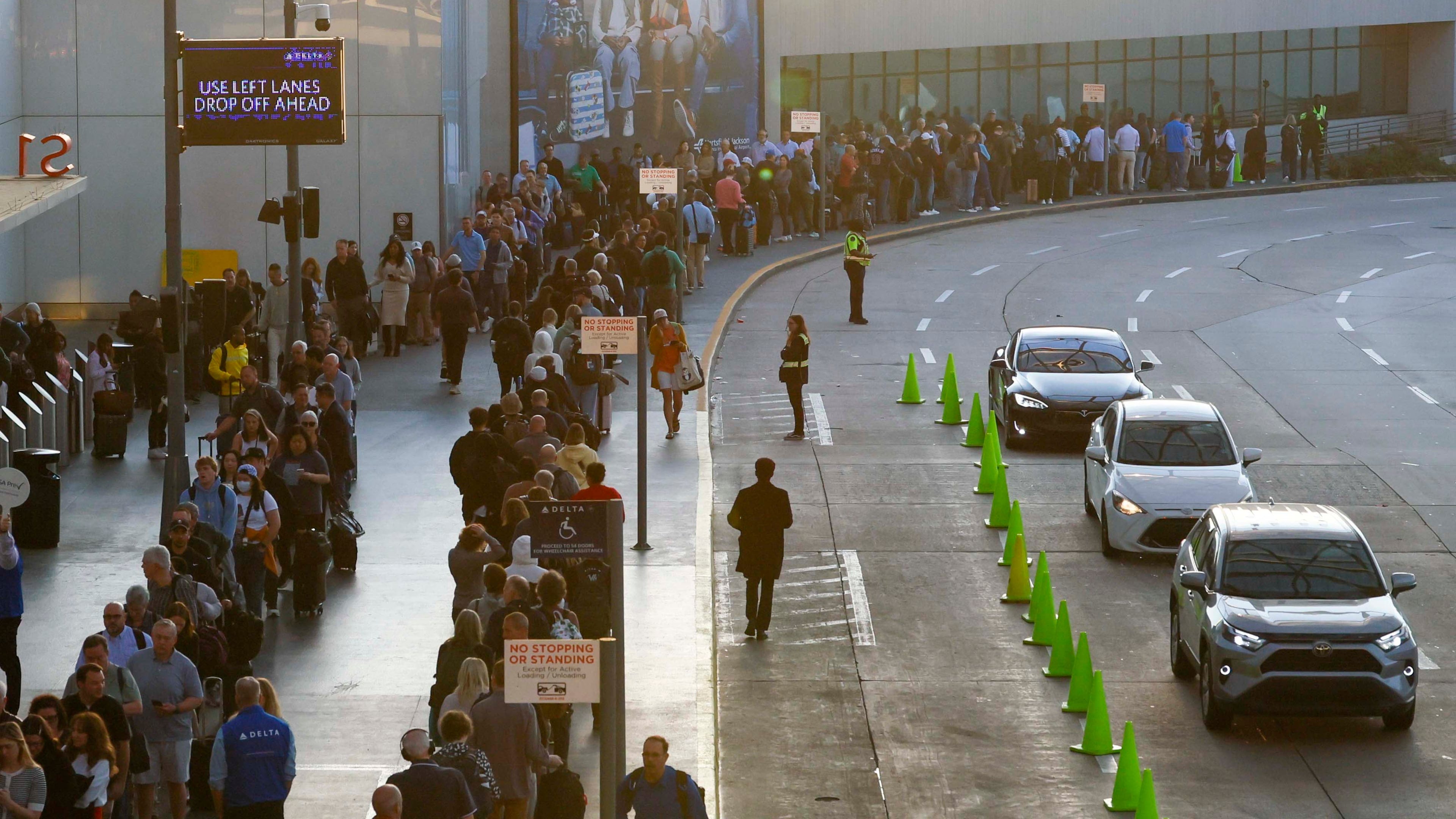
The most surreal development of this crisis has been the deployment of ICE agents to airport checkpoints. It is a tonal mismatch of the highest order. At Hartsfield-Jackson and O’Hare, one now sees agents in tactical slate-gray standing beside TSA officers whose bank accounts have been empty for thirty-nine days, at time of this authoring.
The irony is not merely visual; it is financial. While the TSA’s $11.5 billion budget is frozen in the annual appropriations cycle, ICE is currently buoyed by the “One Big Beautiful Bill” of 2025, which secured $170 billion in multi-year funding through 2029. Consequently, we have a situation where the “augmentation” force is being paid on time to perform a job for which they are not primary experts, while the experts are being asked to work for free.
The Data of Decay

The cracks in the system are no longer theoretical. The data points to a workforce reaching its breaking point:
12.4%: The nationwide TSA call-out rate as of this Monday, nearly quadruple the pre-shutdown average of 3.1%.
$42,000 - $48,000: The average starting salary of a TSA, a figure that leaves zero margin for a missed month of rent or childcare.
140+: The number of unscheduled resignations per week since the shutdown began, compared to a baseline of roughly 15.
94 minutes: The average wait time at Newark and LAX during peak hours, up from 18 minutes in the weeks prior to the lapse.
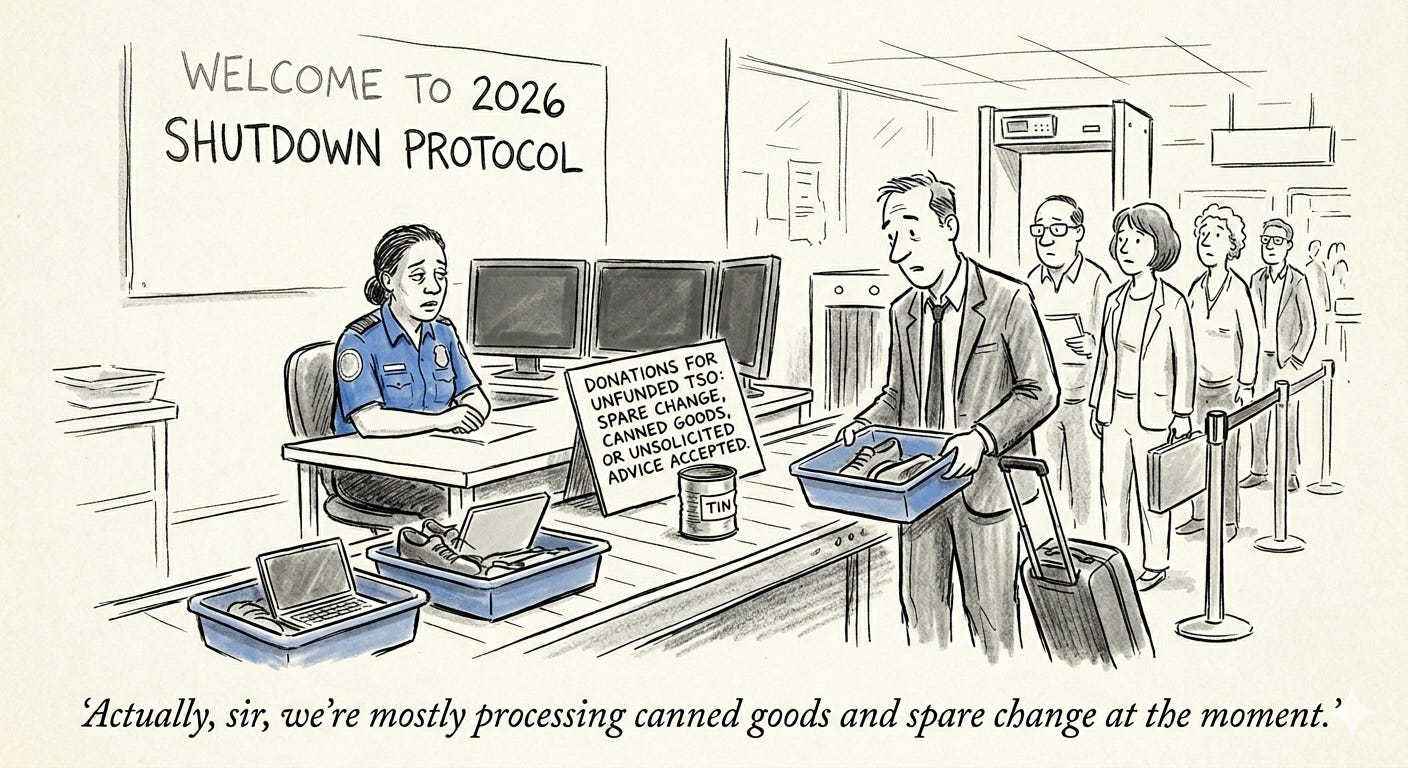
In the New Yorker tradition of observing the small within the large, one might look at the “food pantries” appearing in breakrooms at Sea-Tac or Logan. Here, federal officers—sworn to protect the nation’s skies—line up for donated cans of tuna and boxes of pasta.
The TSA worker is the first to be affected not because they are the least important, but because they are the most accessible point of leverage. They are the blue line that holds the sky together, and as Congress continues its stalemate, that line is being stretched until it is transparent.
The TSA worker is often criticized for the friction of the airport experience, yet they are the friction that prevents the machine from catching fire. When they disappear—whether through sickness, resignation, or the sheer inability to afford childcare—the system does not just slow down; it disintegrates.
We are currently witnessing a peculiar American ritual: the sacrifice of the screeners to the gods of the Filibuster. We ask them to be our first line of defense, then treat them as our most expendable expense. As the shutdown nears its fortieth day, the blue-gloved wall is not just thinning; it is being replaced by a more militant, more expensive, and less trained alternative, all while the people who actually know how to guard the skies wait for a paycheck that may not come until the spring thaw.