

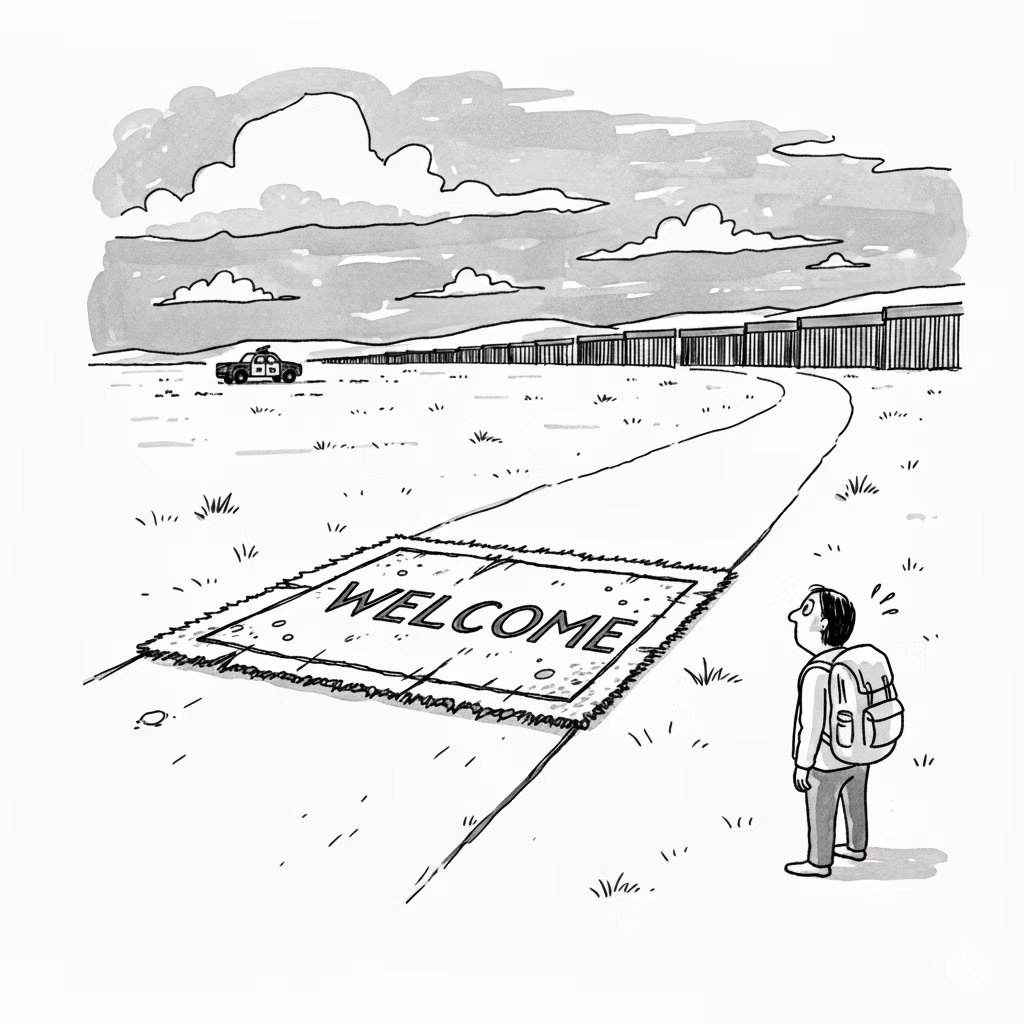
With almost 12 months into the new administration's regime, like every other industry sector --- the travel sector is dealing with the seemingly monumental shift.
The American travel industry is facing an unprecedented and disheartening downturn, a direct result of policies that are systematically dismantling the very foundation of hospitality.1 The once-bustling gateways to the United States—our airports, borders, and embassies—are now defined by a climate of suspicion and hostility that is deterring international visitors and undermining our global reputation.2 The numbers don’t lie: through May 2025, international arrivals to the United States are down 2.4% compared to the previous year.3 This is not just a statistical blip; it’s a stark indicator of a deeper problem.
According to a study by Tourism Economics, international visitors to the U.S. are projected to decline by 9.4% in 2025.4 This is a complete reversal of their earlier forecast, which predicted an 8.8% increase. This dramatic shift is not happening in a vacuum. It’s a direct consequence of policies that have led to stricter border and immigration procedures, and a general feeling of unpredictability for travelers.5 A recent U.S. Travel Association report revealed that the United States is now running an annual $50 billion travel trade deficit, a sharp reversal from its historical surplus. Every 1% drop in international visitor spending equates to a loss of $1.8 billion in export revenue annually. The message we’re sending to the world is clear, and it’s costing us dearly.
The Price of Isolation
The economic fallout is far-reaching and affects more than just airlines and hotels. The travel and tourism sector, which in 2023 accounted for approximately 3% of the U.S. GDP, is a complex ecosystem that supports countless jobs in retail, dining, transportation, and local attractions.6 When international tourism wanes, so does the economic vitality of communities across the nation.7
The World Travel and Tourism Council predicts that international visitor spending in the U.S. will decrease by $12 billion in 2025.8 This makes the United States the only country where a decline is forecasted. While some markets, like Argentina and Israel, have seen increases in visitors, others have experienced significant drops.9 For example, arrivals from Canada—traditionally our largest source of international tourists—are down 16.8%.10
The chill in international relations and the perception of a less-than-welcoming environment are palpable. In the world of travel, perception is everything. The stories of long visa wait times and rigorous, sometimes intimidating, interviews are spreading, making potential visitors from key markets think twice.11 This not only impacts our economy but also hinders the invaluable cultural exchange and understanding that travel fosters. The vibrant tapestry of global connections that travel weaves is being frayed thread by thread, leaving us more isolated and less connected to the world.
A Path Forward
The path to recovery is clear but requires a fundamental shift in approach. We need to re-evaluate the policies that have created this chilling effect and actively work to restore the perception of the United States as a welcoming and open destination. We should champion initiatives that streamline visa processes and invest in promoting the U.S. as a premier global destination. We must remember that travel isn’t just about economics; it’s about building bridges, sharing cultures, and fostering mutual respect. As a nation, we have always prided ourselves on our welcoming spirit. It is time to reclaim it before our once-thriving travel industry becomes a distant memory.