


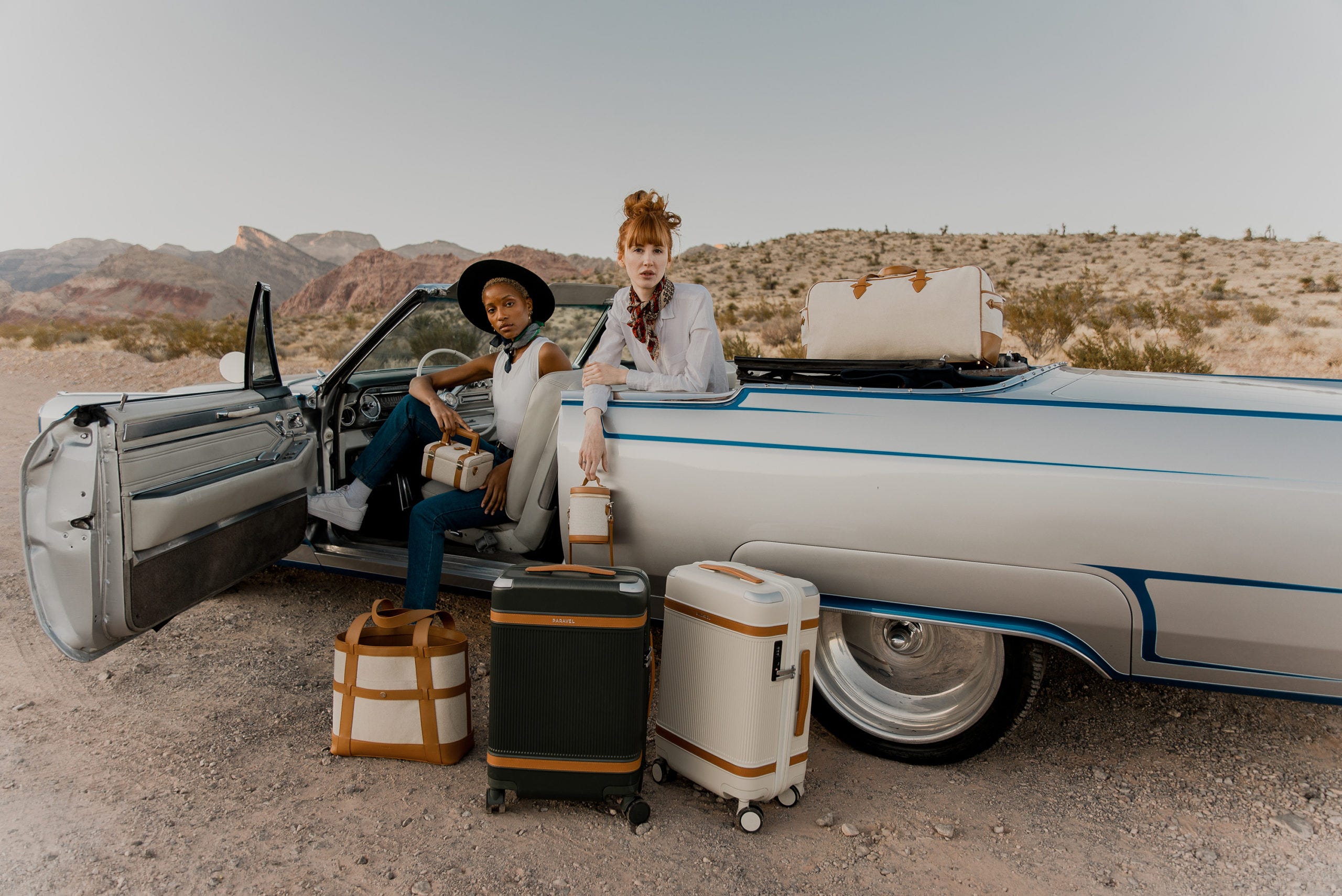
In the heightened, granular world of the modern traveler, there was once a specific kind of vanity that only a Paravel suitcase could satisfy. It was not the industrial, tech-bro minimalism of an Away bag, nor the heavy, Teutonic certainty of a Rimowa. A Paravel suitcase—specifically the “Aviator”—suggested something else entirely: a mid-century nostalgia scrubbed clean of its original sins, a version of 1950s Pan-Am glamour that had been repurposed for a generation terrified of the melting permafrost. It was luggage for the person who wanted to look like a Slim Aarons photograph while reading a white paper on carbon sequestration.
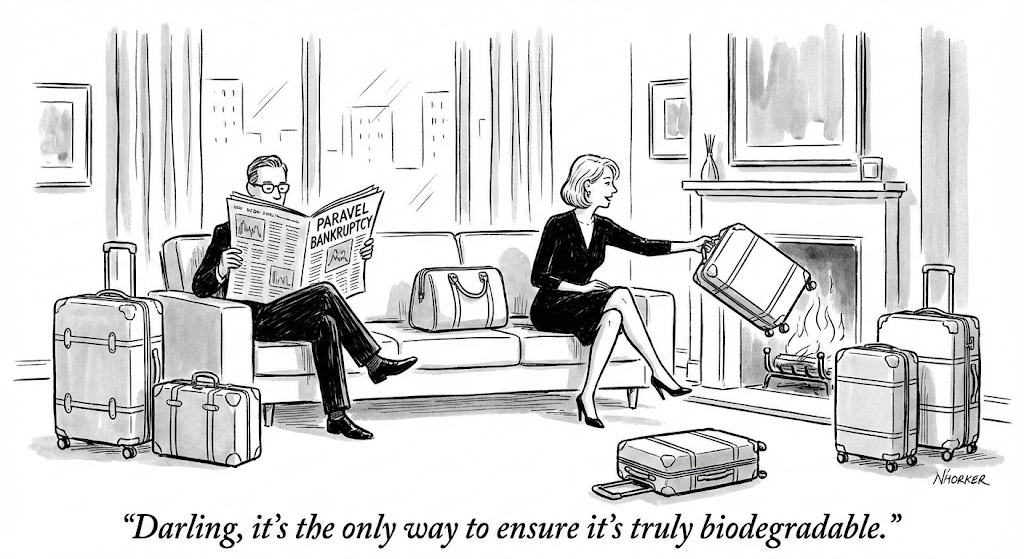
But by the summer of 2025, the brand that promised to help us “tread lightly” on the earth had found itself treading water in a sea of debt. The end did not come with a bang or a grand clearance sale at Bergdorf’s; it arrived with the digital equivalent of a “Back in 5 Minutes” sign. Visitors to the Paravel website in May were greeted by a cryptic “technical difficulty” popup. On Reddit, the digital town square of the aggrieved, customers began to swap stories of “phantom orders”—suitcases paid for but never shipped, customer service lines that rang into a void, and the sudden, chilling realization that the carousel had stopped spinning.
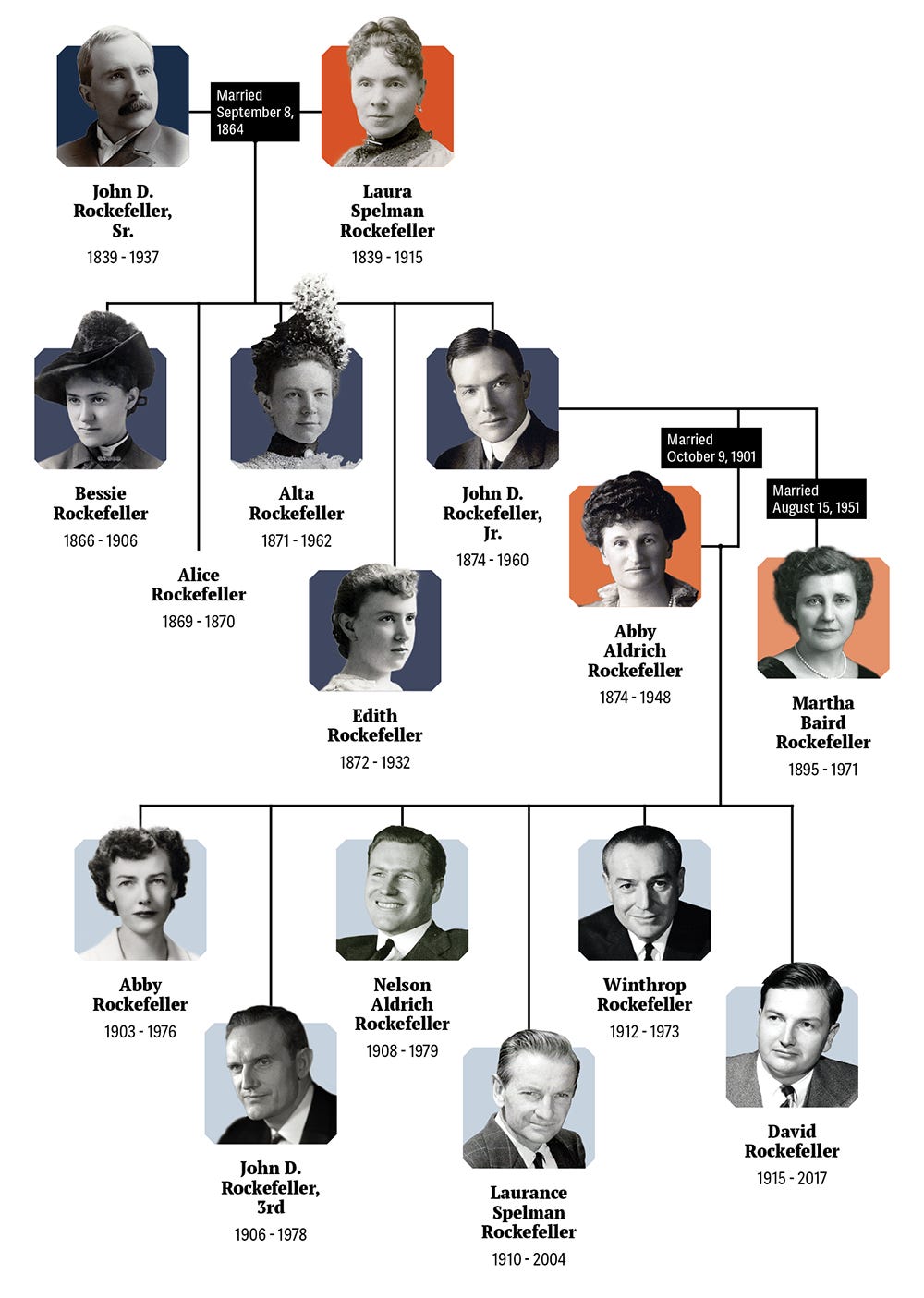
Founded in 2016 by Indré Rockefeller (married to the grand - son of John D. Rockefeller III) and Andy Krantz, Paravel was the quintessential “mission-driven” luxury start-up. Rockefeller, a veteran of Vogue and Delpozo, brought the aesthetic pedigree; Krantz provided the operational scaffolding. Together, they built a brand that felt less like a retail company and more like a curated lifestyle. Their materials were a vocabulary of virtue: “EcoCraft” canvas made from recycled plastic bottles, vegan leather offsets, and negative-carbon flight bags.
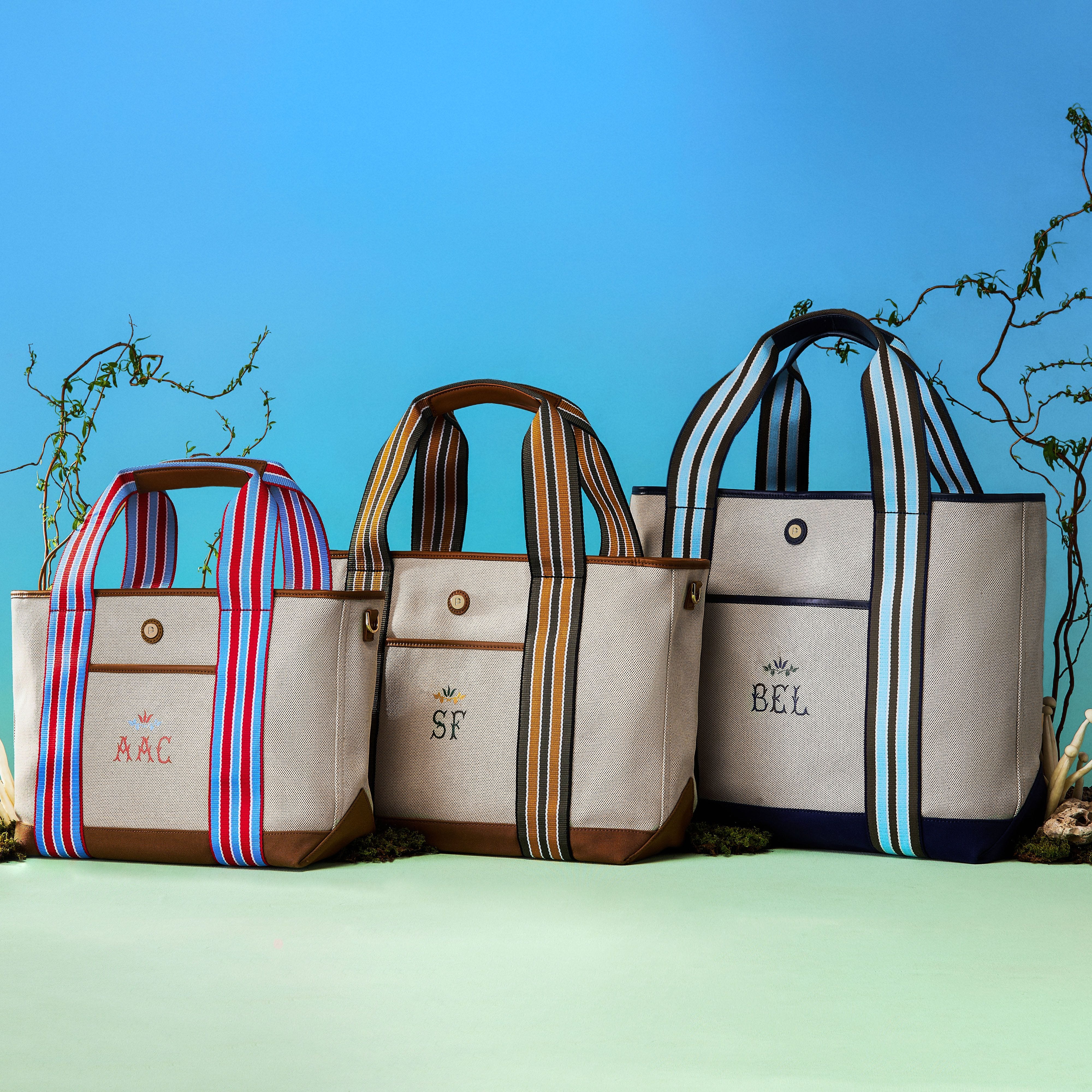
To carry a Paravel “Cabana Tote” through Terminal 4 was to perform a very specific kind of class-inflected environmentalism. It was expensive enough to signal status, but “recycled” enough to signal a conscience. For a time, it worked beautifully. The brand raised millions in seed funding, seduced the editors of the Strategist, and became a staple of the “What’s in My Bag” genre of social media.
However, the alchemy of the Direct-to-Consumer (D2C) era is famously volatile. The cost of acquiring a customer on Instagram—the very platform that birthed Paravel—eventually began to rival the cost of the luggage itself. In the luxury space, “sustainability” is a powerful marketing tool, but it is also a punishingly expensive manufacturing mandate. When the global supply chain began to buckle under the weight of post-pandemic fluctuations and shifting tariffs, the margins on a $400 recycled-plastic trunk began to look dangerously thin.
“The brand was a victim of its own perfectionism,” says one former industry consultant. “They built a beautiful house, but they built it on the shifting sands of the venture-capital-to-Instagram pipeline.”
The bankruptcy filing in May 2025 was a Chapter 7—a liquidation, the most final of corporate deaths. It suggested that there was no “reorganizing” the dream; there was only the cold arithmetic of assets and liabilities. The silence from the founders was deafening. Krantz had stepped down as CEO just weeks earlier, citing health reasons, leaving a trail of unfulfilled orders and a brand identity that was, for a few months, essentially an orphan.

Yet, in the curious afterlife of luxury brands, nothing truly dies; it merely changes hands. By late August, the British luggage heritage house Antler—itself a survivor of several corporate reincarnations—stepped in to pluck Paravel from the wreckage. For Antler’s parent company, ATR Group, Paravel was a “distressed asset” with an irresistible “brand equity.” They weren’t buying a factory; they were buying a mood.
On the contrast: The Case of Béis
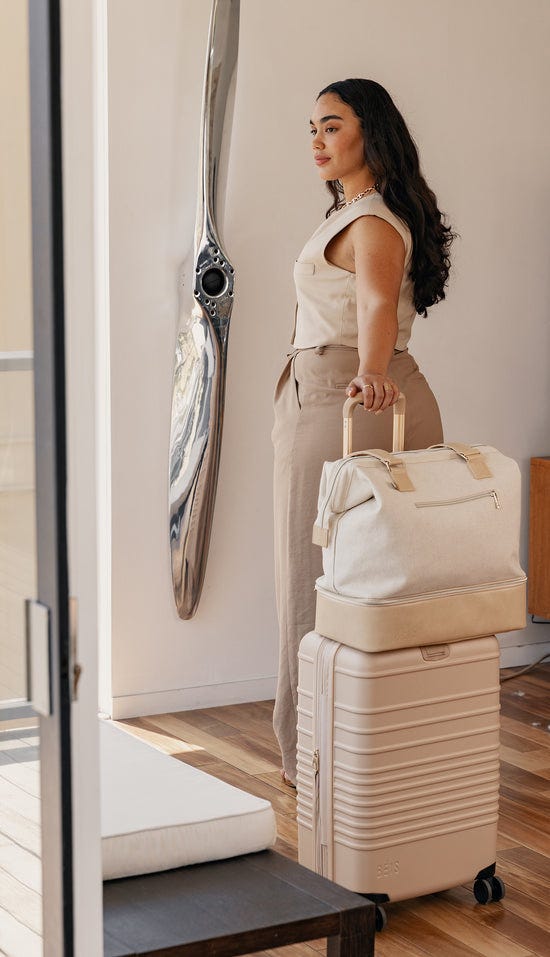
If Paravel was the romantic poet of the luggage world, Béis—the travel brand founded by actress Shay Mitchell—is its shrewd accountant. While Paravel struggled to stay afloat, Béis reported over $120 million in profitable gross revenue by the end of 2024.1
The contrast in their marketing and operational strategies offers a masterclass in the new retail reality:
The “Nesting” Strategy: Béis tackled the logistics crisis with a literal “Russian Doll” approach. By designing their products to “nest” perfectly inside one another during shipping, they reduced their carbon footprint and shipping costs by a factor of three. Paravel, focused on the rigid, retro structure of the trunk, had less flexibility in how it moved across the ocean.
Wholesale as a Life Raft: While Paravel remained tethered to the high Customer Acquisition Costs (CAC) of Instagram, Béis aggressively pursued wholesale partnerships with Nordstrom and Bloomingdale’s. They recognized that in a high-inflation environment, the customer wants to touch the “vegan leather” before they commit.
Utility over Virtue: Béis marketed “the job to be done”—built-in weight indicators, dedicated “dirt bags,” and “pockets for your electronics.” Paravel marketed a “feeling.” In 2026, as discretionary spending tightened, consumers began to prioritize the suitcase that saved them an overweight baggage fee over the one that saved a forest.

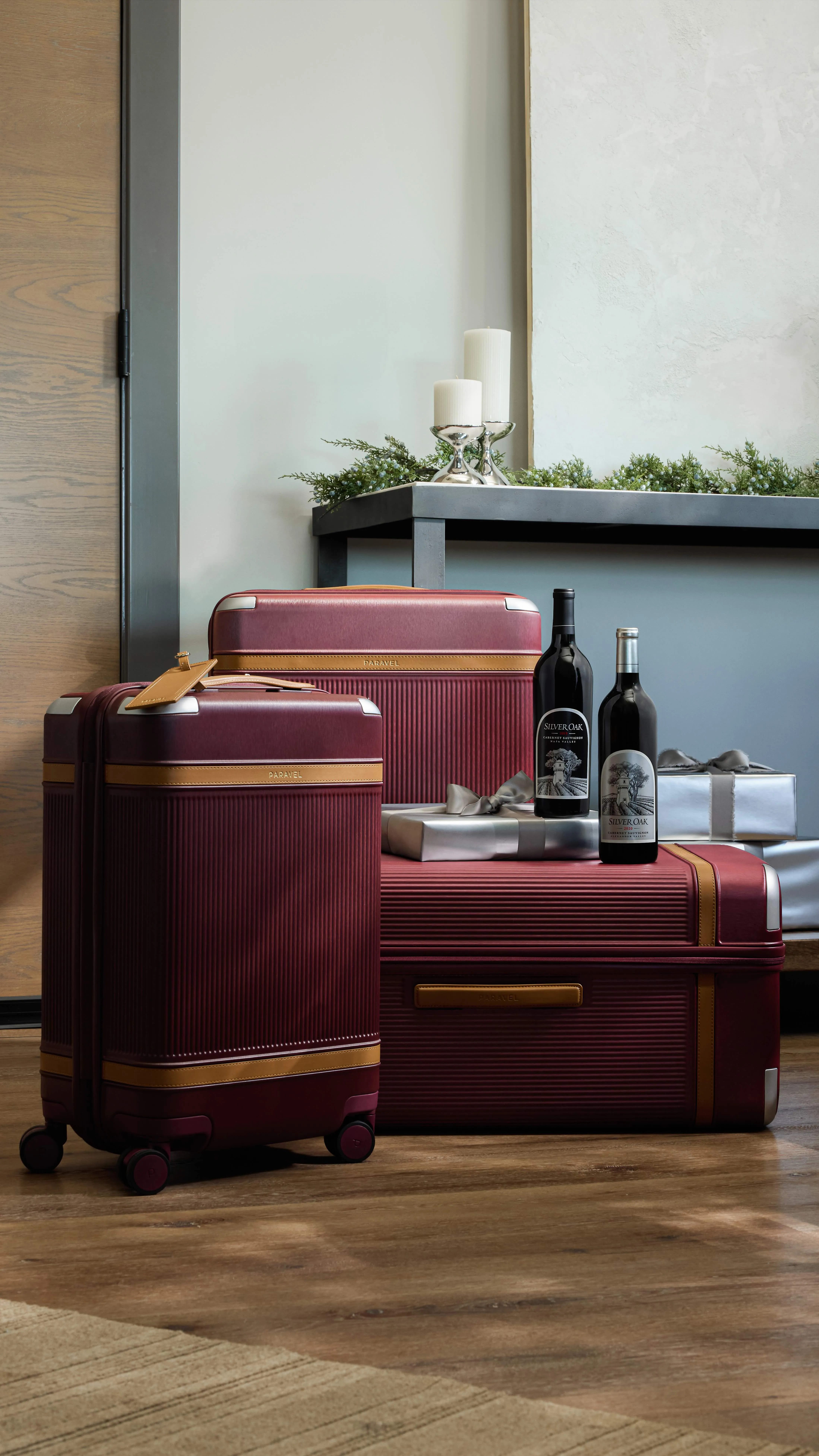
As we move into 2026, the Paravel website has been resurrected, but the soul of the machine feels different. The “relaunch” promised by Antler suggests a more “streamlined” approach. In corporate-speak, “streamlined” is often a euphemism for “less expensive to make.” The challenge for the new Paravel will be maintaining that precarious balance between the artistic and the commercial. Can a brand born from the specific, boutique vision of a Rockefeller heiress survive the homogenization of a global “House of Travel Brands”?
For now, the original Aviator trunks—the ones purchased before the “technical difficulties” began—have become accidental collector’s items. They are relics of a moment when we believed we could shop our way into a better climate, provided the luggage had just the right shade of Italian-inspired trim. On the luggage carousels of JFK, they still stand out: elegant, slightly battered, and carrying the weight of a dream that proved too heavy to fly, even for a Rockefeller.