


There is a particular kind of traveler who moves through the world as though it owes them a postcard. Melissa Rodway is not that traveler. The author, whose debut book The People You Meet has drawn quiet but insistent praise since its release, has spent the better part of a decade arguing — in print, in conversation, and in practice — that travel without conscience is just expensive escapism.
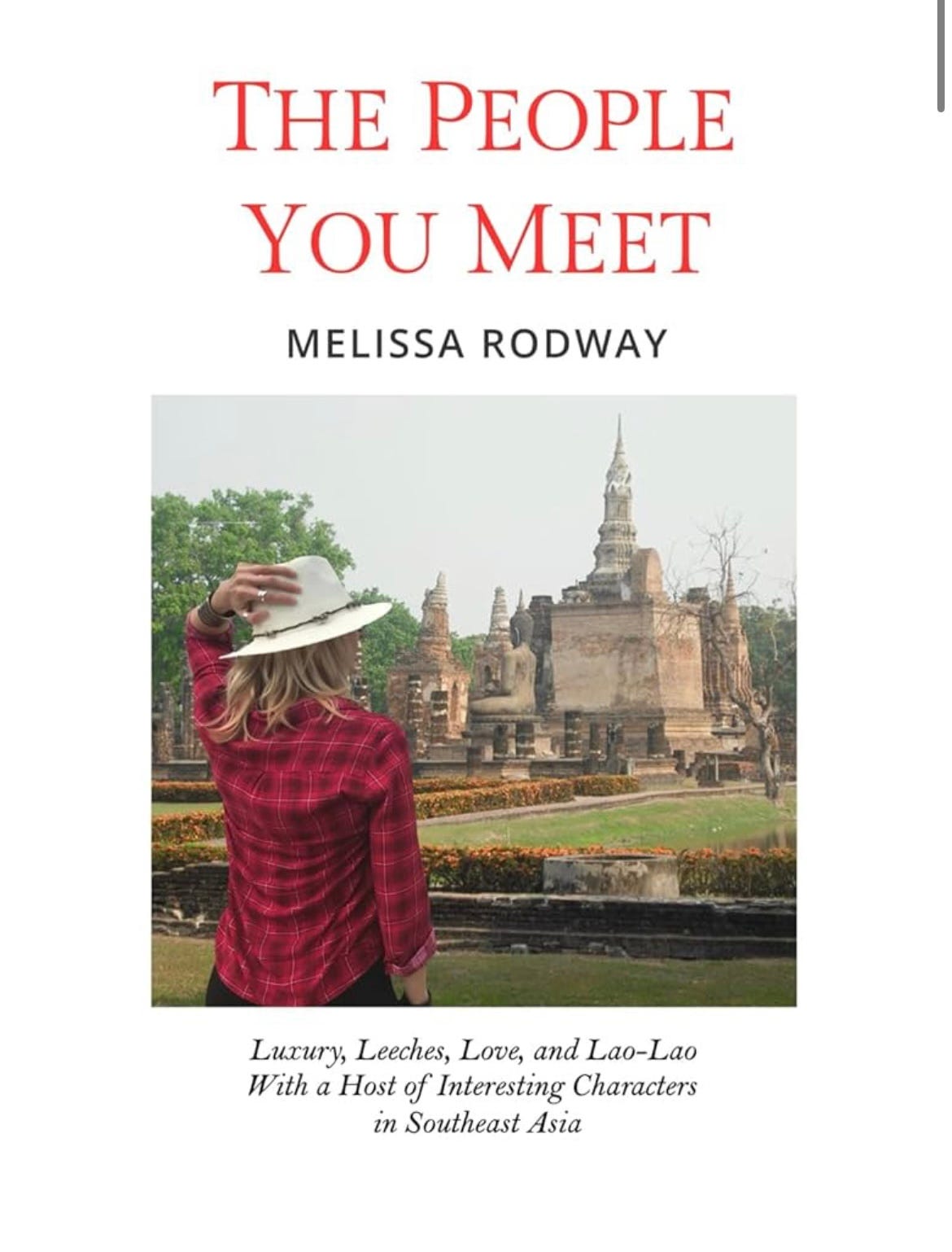
Rodway’s thesis is disarmingly simple: the moment you step off a plane, you are a guest. Not a consumer, not a content creator, not an influencer with a ring light and a hotel comp. A guest. And guests, she insists, carry obligations. “We’ve built an entire industry around the idea that the world exists for our discovery,” she said recently. “But discovery, done badly, is just extraction.”
The People You Meet is part travelogue, part cultural reckoning. It traces Rodway’s journeys across six countries — from the medinas of Morocco to the hill towns of northern Vietnam — through the lens not of landscapes, but of encounters. A market vendor in Hanoi who has spent thirty years watching tourists photograph her without asking. A family in rural Portugal who opened their home to a stranger and received a scathing TripAdvisor review in return. A community in Oaxaca quietly dismantling the infrastructure of “authentic” tourism that had reshaped their neighborhood beyond recognition.
Listen to Melissa Rodway on Pay Me In Plane Tickets Radio
What Rodway brings to these stories is neither sentimentality nor polemic, but something rarer: attention. She is a writer who lingers. She asks follow-up questions. She returns. The cumulative effect is a portrait of tourism’s shadow — the gap between the world as it is marketed and the world as it is lived by those who stay.
“Ethical travel is not a checklist,” Rodway is careful to say. “It’s not about buying the right handicrafts or staying in the locally owned guesthouse, though those things matter. It’s about showing up with humility — which is harder than it sounds, because travel is an industry that sells confidence. It sells you the idea that you know how to be somewhere you’ve never been.”
The book arrived at a moment when the conversation around overtourism has shifted from niche concern to mainstream anxiety — Barcelona protests, Venice day-tripper levies, Kyoto guesthouses posting signs in English asking visitors, politely, to behave. Rodway did not set out to write a timely book, but she has ended up with one. She is also refreshingly uninterested in offering easy absolution. The answer, in her telling, is not to travel less, but to travel differently — more slowly, more curiously, and with far greater willingness to be uncomfortable.
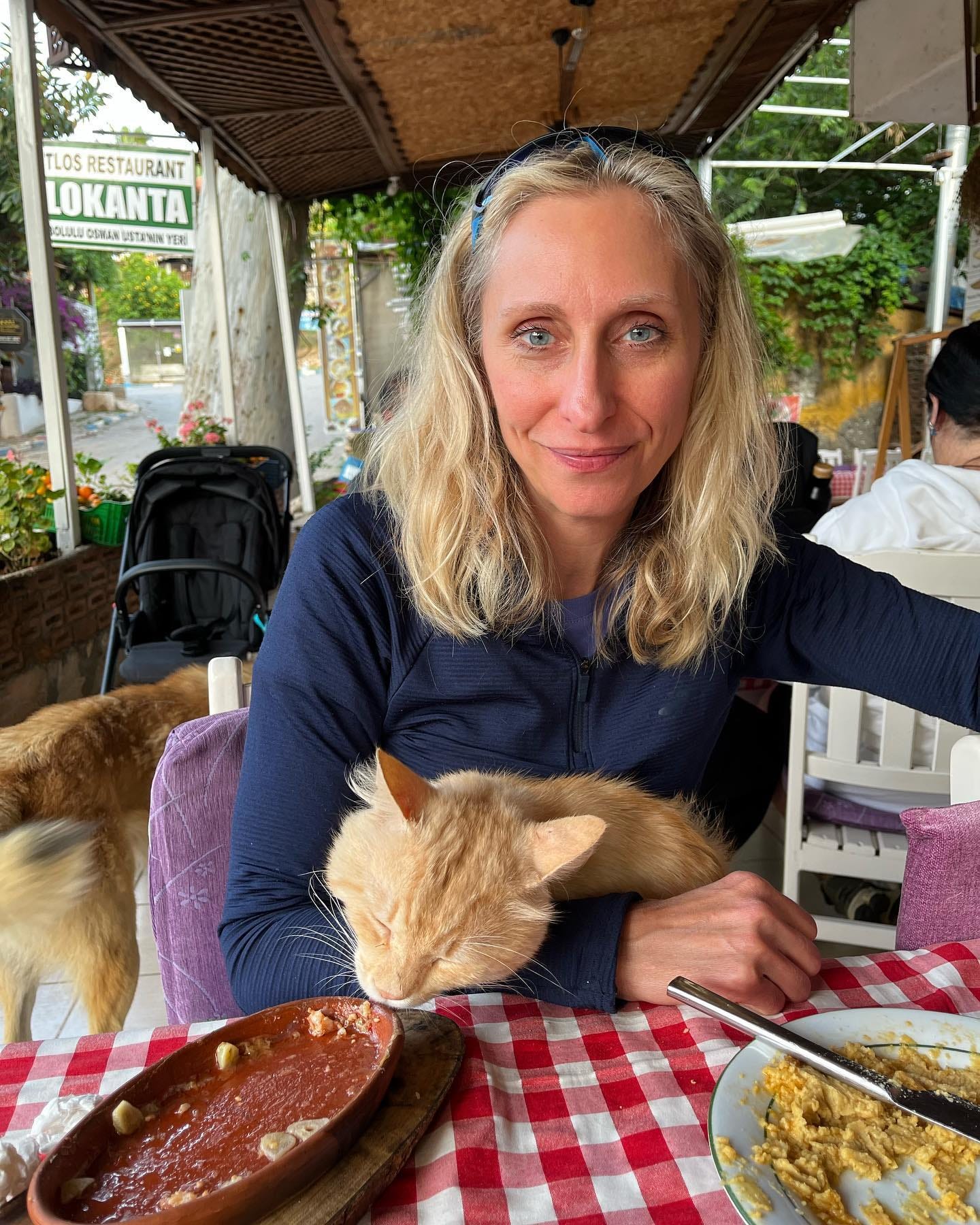
For a writer whose subject is the ethics of presence, Rodway is surprisingly pragmatic about her own imperfection. She has, she admits, been the thoughtless tourist. She has taken the photograph she shouldn’t have, eaten at the restaurant she knew was a tourist trap, tipped too little and moved on too fast. The book, in that sense, is as much confession as critique. “I wrote it because I needed to think these things through,” she says. “I’m not offering a verdict. I’m asking the same questions I think every traveler ought to be asking — and probably isn’t.”
The people she met along the way, it turns out, had a great deal to say. The book’s great gift is that Rodway had the patience — and the conscience — to listen.