


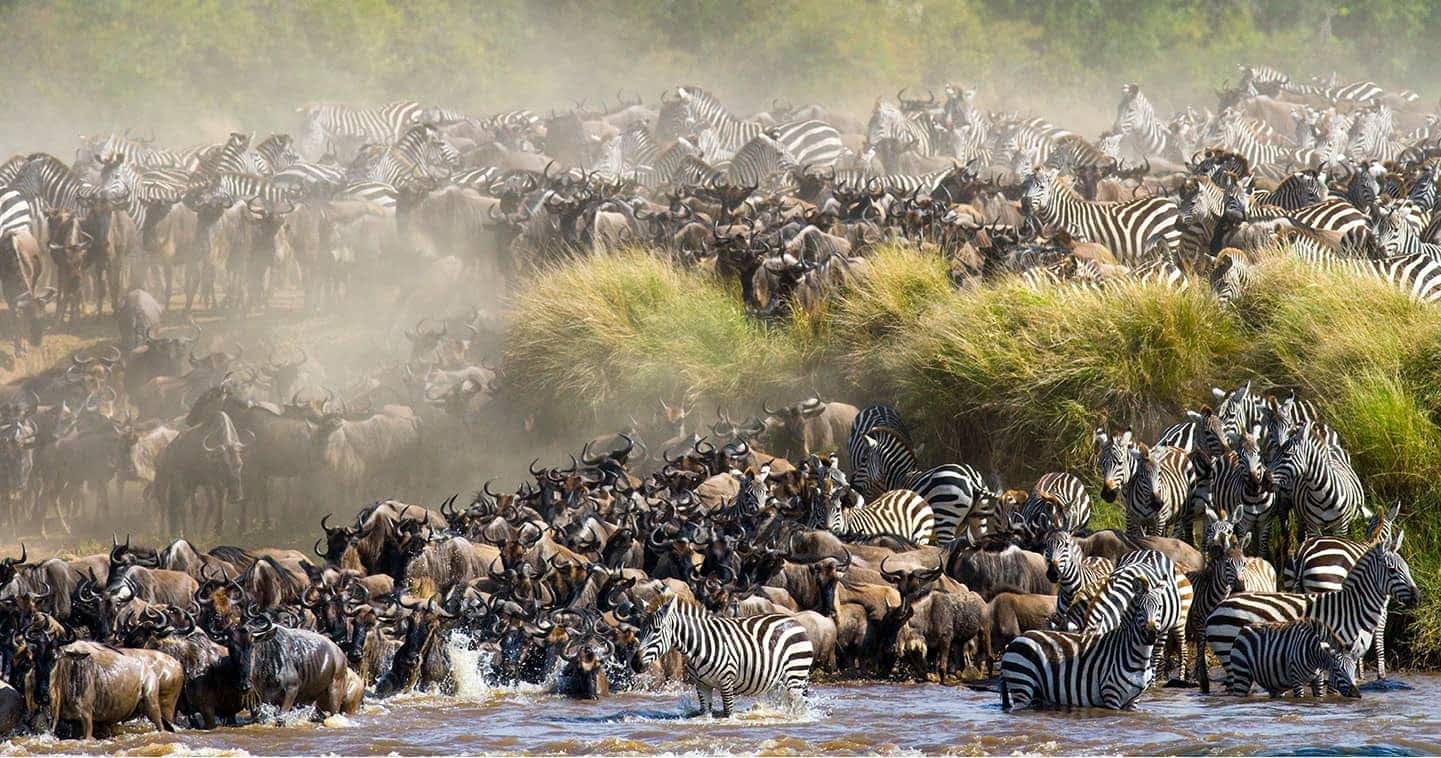
On the morning of August 15, 2025, as the Masai Mara’s golden grass shimmered under a low equatorial sun and columns of wildebeest threaded toward the Sand River in one of nature’s most ancient rituals, a new kind of arrival made its debut: twenty air-conditioned tented suites with private plunge pools, butler service, and a starting rate of $3,500 per night. The Ritz-Carlton, Masai Mara Safari Camp had opened—not quietly, not humbly, but with the full marketing confidence of the world’s largest hotel company. “Front-row seats to one of the world’s greatest natural wonders,” its website proclaimed.
Within days, a lawsuit had been filed. Within weeks, threats of burning the lodge to the ground were circulating on social media. Within months, a Change.org petition had gathered nearly 27,000 signatures. And the question that had long simmered beneath the surface of high-end African tourism—who exactly has the right to sell the wild?—had finally boiled over.

The Architecture of Luxury, and of Controversy
To understand what the Ritz-Carlton is doing in the Masai Mara, it helps to understand what the Ritz-Carlton is—and is not. Hotel brands of this scale are not monolithic owners. They are, at their core, franchises. The Ritz-Carlton brand is owned by Marriott International, the world’s largest hotel company. Marriott licenses its name, its standards, and its global reservations engine. The property itself, however, is owned and operated by Lazizi Mara Limited, a Kenyan-registered LLC led by Shivan Patel, whose affiliations extend to FASL Group, a Saudi-based hospitality company. Marriott is the franchisor; Lazizi Mara is the operator and, in effect, the developer. This structure is standard in the industry, but it muddies accountability considerably. When critics say the Ritz-Carlton has no conservation track record in Kenya, Marriott can reply that it is merely a brand licensor. When Marriott is accused of greenwashing, Lazizi Mara can insist that all regulatory approvals came through proper Kenyan channels. In the resulting fog, no one seems to own the consequences.
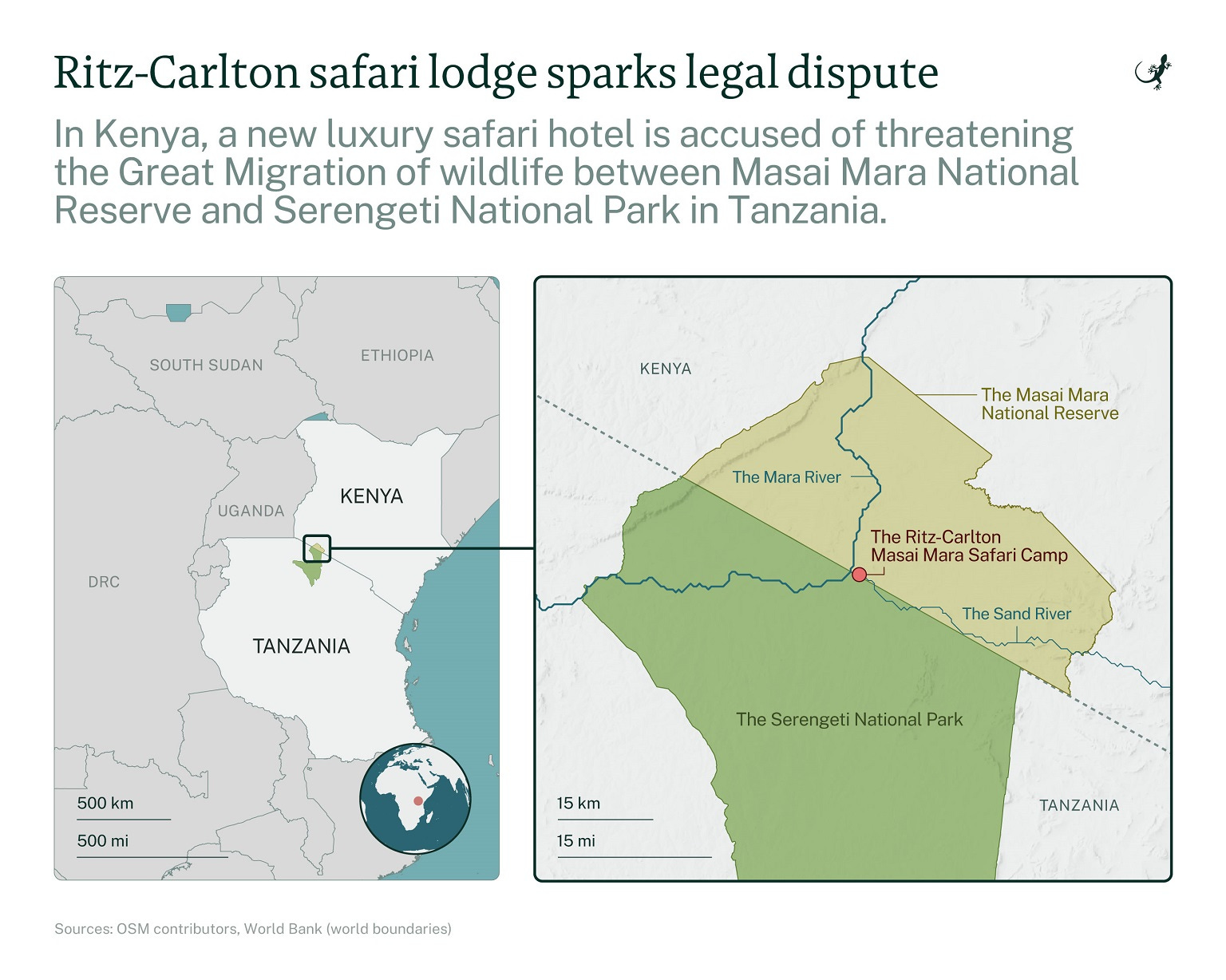
What is not in dispute is the location. The lodge sits approximately 1.8 miles from the Sand River, along a stretch of the Maasai Mara National Reserve that is, depending on who you ask, either a low-use tourism investment zone or a critical ecological fault line. The reserve itself spans roughly 580 square miles and hosts, during migration season, an estimated 1.5 million wildebeest, hundreds of thousands of zebra, and a supporting cast of predators that has made the Mara one of the most filmed ecosystems on earth. Nearby, the reserve serves as a known breeding site for black rhinoceros, among the most endangered large mammals alive. The Great Migration corridor that passes through this corridor is not a metaphor. It is a biological lifeline, a movement of animals that has continued, largely uninterrupted, for millennia.
A Moratorium, an Exception, and a Paper Trail
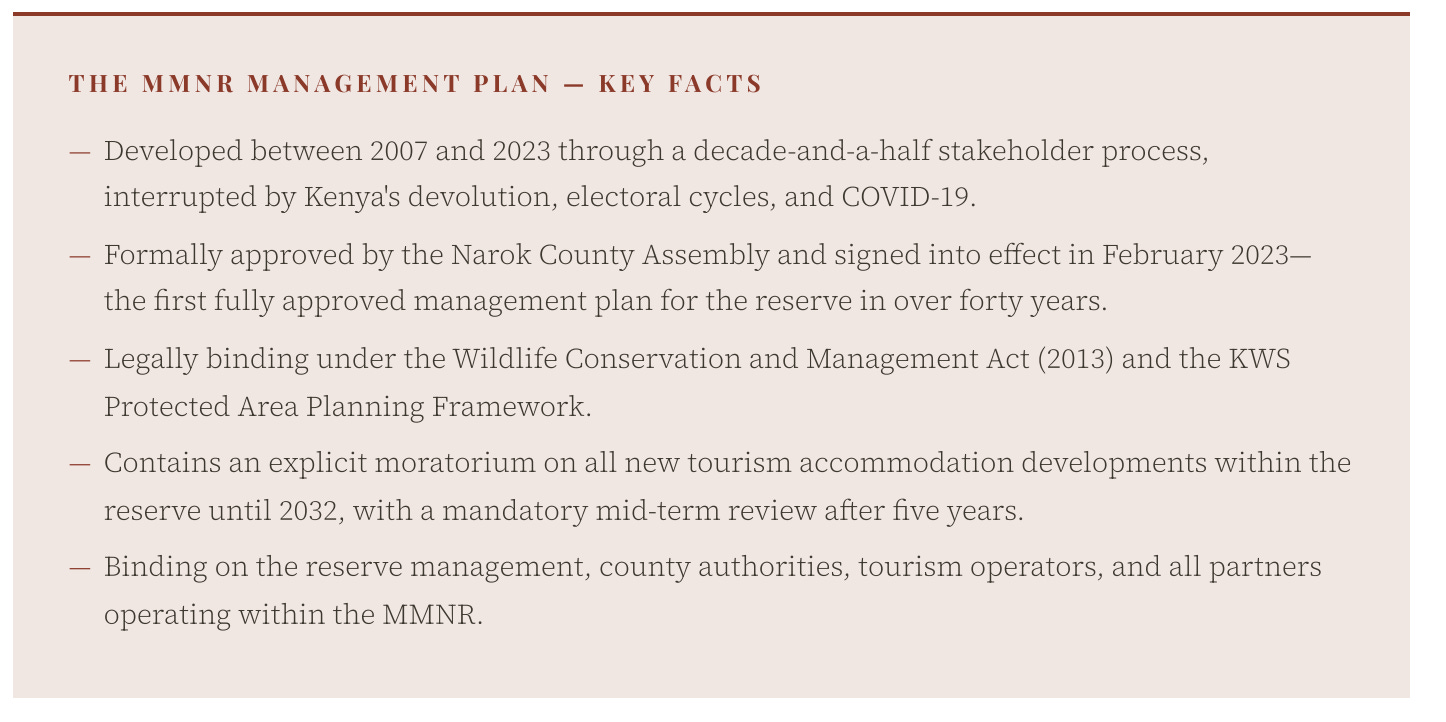
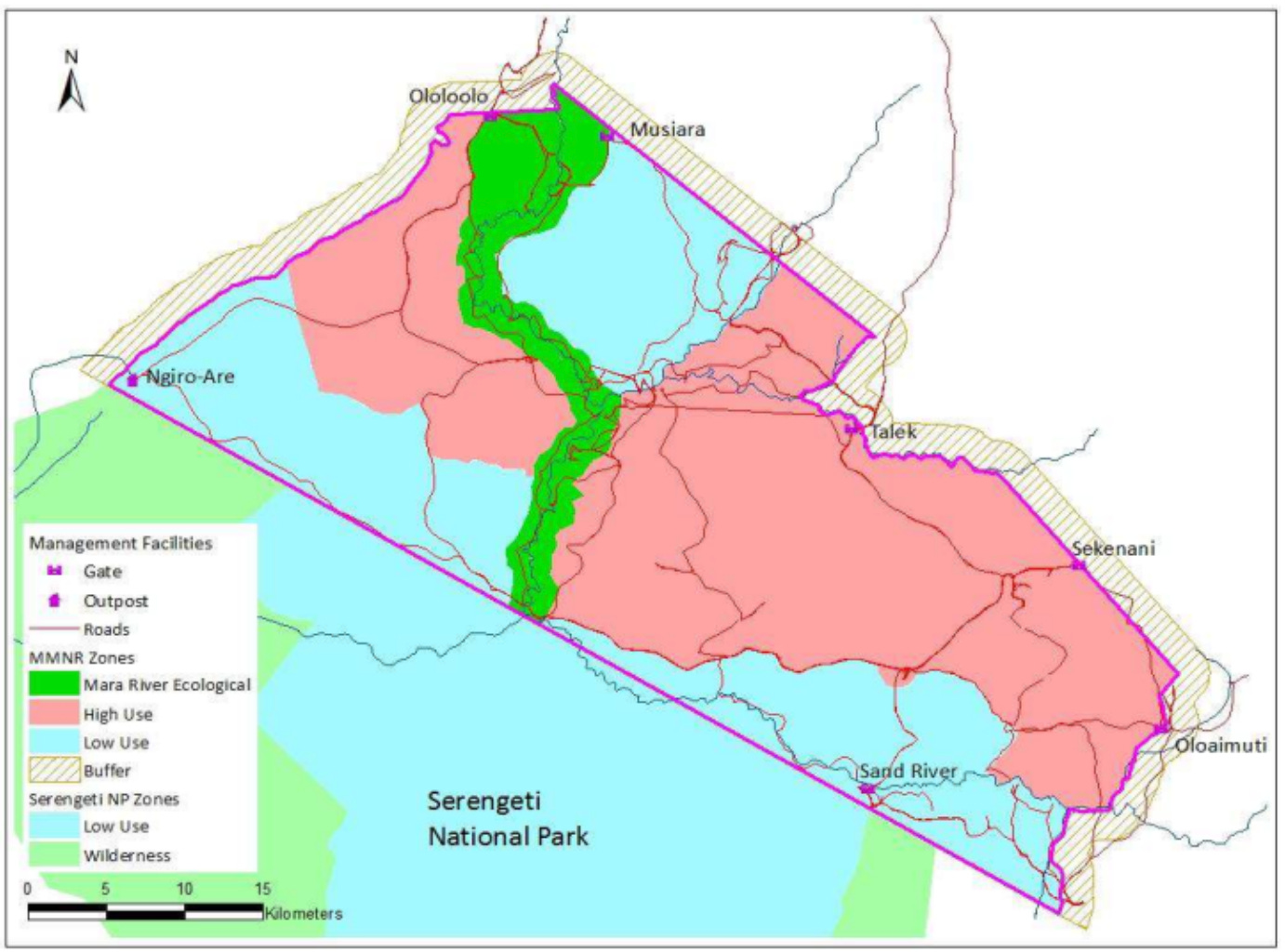
The legal heart of this controversy is a document most tourists have never heard of: the Maasai Mara National Reserve Management Plan (MMNR), 2023–2032. It is, by any measure, an extraordinary document to exist at all. Its origins trace back to 2007, when the former Narok and Trans Mara county councils, working with the Mara Conservancy and the African Wildlife Foundation, began an unusually participatory planning process. The work stalled repeatedly—through Kenya’s 2013 devolution, through election cycles, through a global pandemic that collapsed tourism revenues and exposed the fragility of the reserve’s financing. It was finally ratified by the Narok County Assembly and signed into effect in February 2023, representing the first fully approved, stakeholder-developed management plan for the MMNR in over forty years.
Among its provisions: a moratorium on new accommodation development within the reserve until 2032.
The moratorium was not incidental language. It emerged directly from the evidence: tourist numbers in the Mara had nearly tripled in recent decades, with more than 300 camps and lodges now crowded into and around a 1,510-square-kilometer reserve. Conservationists had documented population declines of over 80 percent for many species since the 1970s. The plan was designed to pause, assess, and recalibrate.
And then, in April 2024, according to reporting by The Times of London, Felix K. Koskei—chief of staff to Kenyan President William Ruto—reportedly asked the National Environment Management Authority (NEMA) to grant a “one-time exemption” to allow the Ritz-Carlton development to proceed. Lazizi Mara has maintained, through its managing director Shivan Patel, that the government itself proposed the site and that all required environmental impact assessments were conducted. Narok County has publicly backed the project, with County Secretary Mayan Olejuya describing the critics’ claims as “unfounded, malicious, and self-serving.” The Kenya Wildlife Service subsequently certified that the camp does not sit on any wildlife migratory corridor, citing GPS collar data from more than sixty wildebeest tracked between 1999 and 2022. NEMA, too, issued a statement affirming that the project “neither obstructs nor interferes with any established migratory pathways.”
The approvals were legal. Whether the legality was engineered is a different question.
The Man Who Filed, Then Withdrew
The challenge came from an unlikely place: a sixty-something Maasai scholar with a PhD in Sustainability Education from Prescott College. Dr. Meitamei Ole Dapash is the founder of the Institute for Maasai Education, Research and Conservation, known as MERC. He is not a newcomer to advocacy. He has spent decades at the intersection of indigenous rights and environmental law, and when word spread that construction was clearing ancient riverine trees along the Sand River, building up earthen mounds that could obstruct wildlife access to the water, he moved quickly.
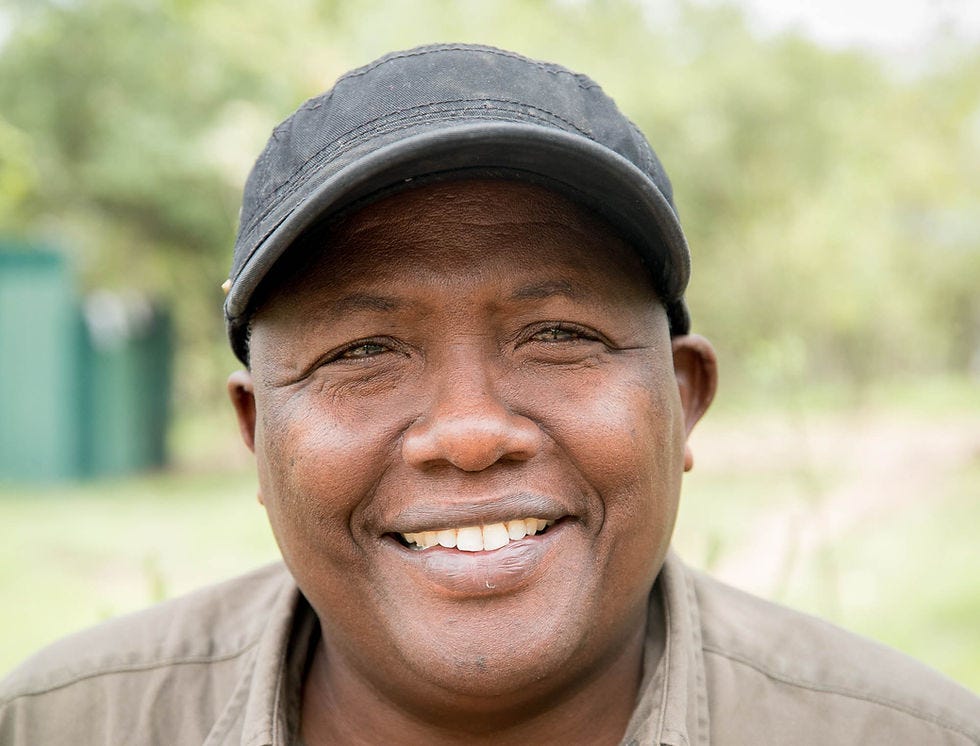
On August 8, 2025, one week before the lodge opened, Dapash filed a constitutional petition in Kenya’s Environment and Land Court at Narok. The petition invoked Article 69 of the Kenyan Constitution, which obligates the state to ensure sustainable exploitation, utilization, management, and conservation of the environment and natural resources, including wildlife. He named Marriott International, Lazizi Mara Limited, and Kenyan authorities as respondents. He alleged that wildebeest had already been observed turning back from the river to avoid the camp, and that an elephant that had used the crossing for over a decade was seen struggling to find an alternative path.
What followed was a months-long legal drama that drew international attention—and then, abruptly, ended. On December 16, 2025, Dapash withdrew the case entirely. His notice of withdrawal asked for “no orders as to costs,” a technical formality that nonetheless carried a sting: in Kenya, losing plaintiffs are frequently ordered to pay defendants’ legal fees. He had, at some point, also been issued what those close to the case described as a gag order. The petition’s disappearance left more questions than answers.
The court’s eventual formal dismissal—issued after Dapash’s withdrawal, citing lack of jurisdiction because alternative dispute resolution mechanisms had not first been exhausted—resolved nothing on the merits.
“The case may have been dismissed,” noted Mongabay, which had covered the saga closely, “but the environmental concern remains.”
The Verdict of the Savanna, Pending
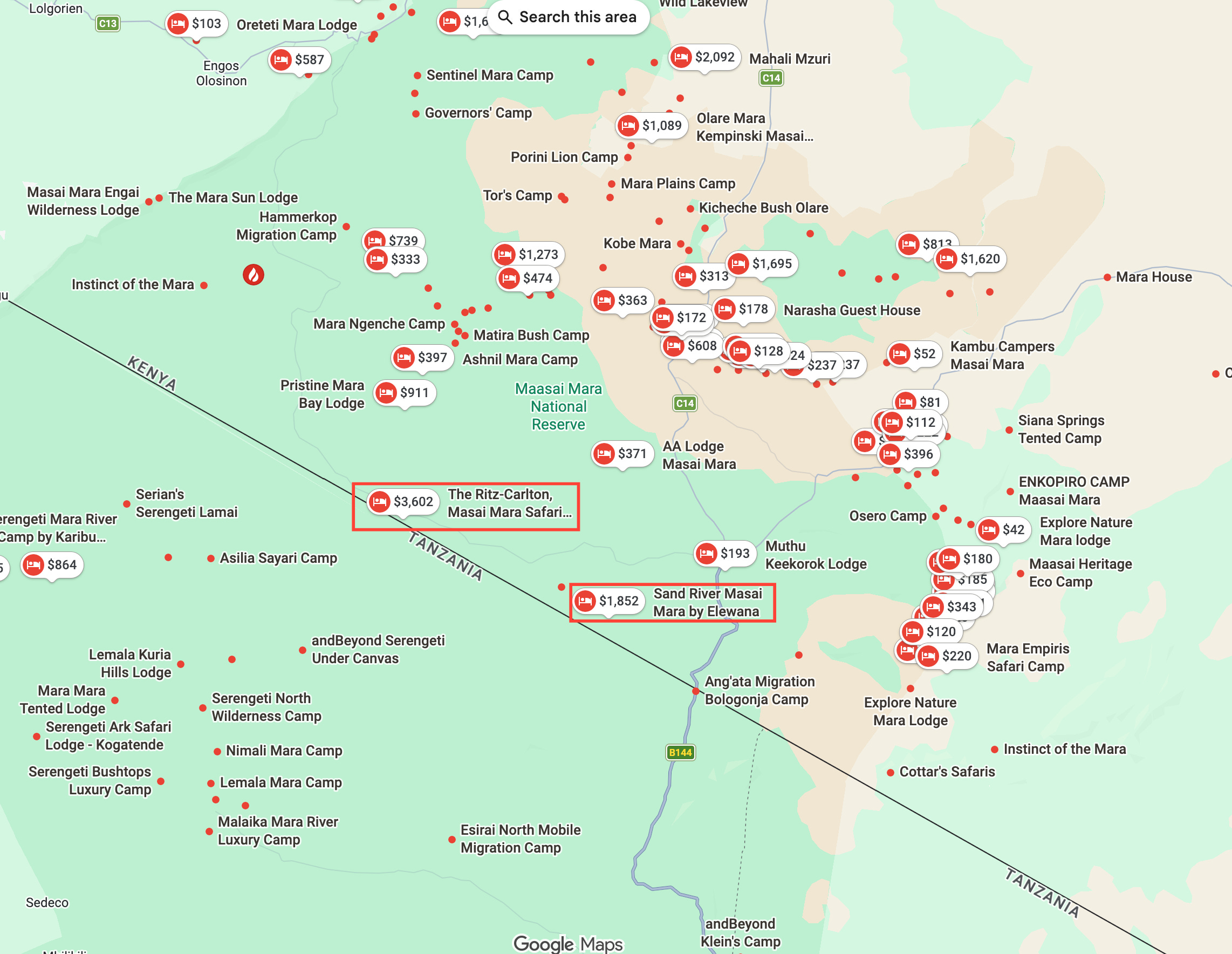
The Ritz-Carlton and its defenders are not without a point. The entire Maasai Mara functions as a dispersal area for migrating herds; no single river crossing is the exclusive passage for millions of animals. The Sand River stretch already hosts five other permanent camps and two seasonal ones. The lodge did undergo an environmental impact assessment. The government that issued the moratorium is also the government that granted the exemption—a contradiction that arguably says more about Kenyan regulatory politics than about the lodge itself. And the Ritz-Carlton, for its part, has insisted it is being unfairly targeted, that threats to burn the property have created a climate of intimidation, and that its business model—built on quiet luxury and wildlife proximity—depends on a healthy ecosystem no less than the wildebeest themselves.
The camp’s statement was characteristically corporate in its restraint: it does not comment on “reputational assessments or speculation,” and declines to disclose occupancy data. Which is, in a sense, the problem. The opacity that protects a franchise’s commercial interests is precisely the opacity that makes independent ecological assessment so difficult.
What is observable is context. Specialist safari operators—Singita, &Beyond, Wilderness Safaris, Great Plains Conservation—have built reputations over decades through anti-poaching programs, community schools, and conservation funding. They are woven into the fabric of the ecosystems they inhabit. Companies like Sand River Masai Mara Camp, tucked roughly 36 miles to the east in a more ecologically screened corridor, exemplify a model of low-footprint, high-accountability tourism. The Ritz-Carlton, by contrast, arrives as a global brand entering a specialized conservation theater it has no prior role in, backed by a obscure, opaque limited liability company that obtained what amounts to a presidential carve-out from a legally binding conservation plan. That sequence of events does not prove ecological harm. But it does prove something about power.
Ecologist Grant Hopcraft of the University of Glasgow told Reuters the development could have “large and long-term ecological implications.” Joseph Ogutu of the University of Hohenheim called the construction “highly ill-advised.” These are not activists. They are researchers who study this landscape for a living.
What the Migration Doesn’t Know
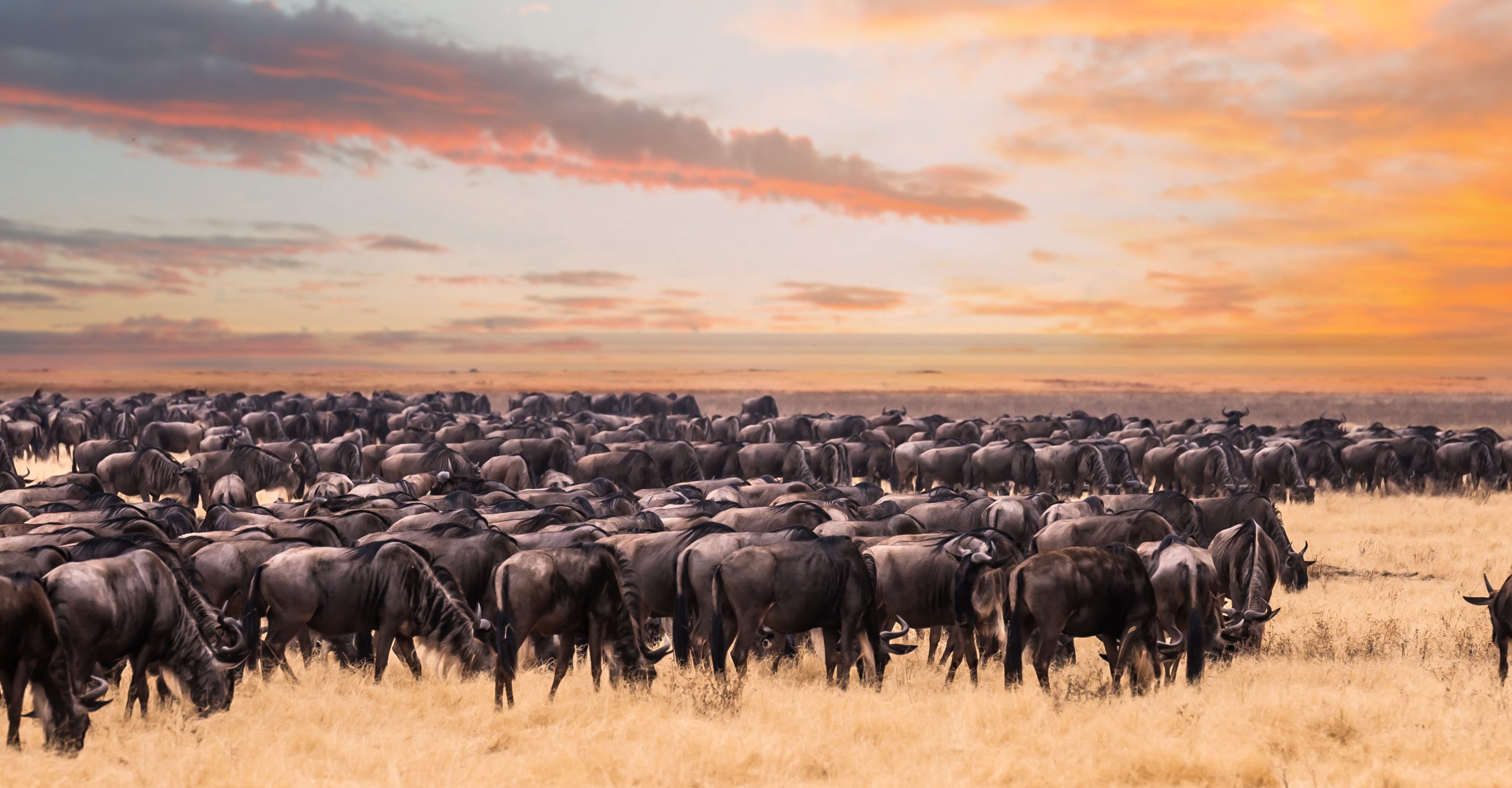
The Great Migration does not read environmental impact assessments (EIA). It does not file constitutional petitions or sit for depositions. It moves according to rains, grasses, and ancient memory—along routes that have been refined over thousands of years by the collective intelligence of herds. Whether those herds will subtly alter their crossings over time, choosing paths of less resistance, is precisely the kind of slow, cumulative change that no single EIA is designed to detect. The ecological bill for a bad decision in the Mara does not arrive in the first season. It arrives in the third decade, when the scientists finally have enough data to confirm what the guides suspected all along.
The irony is nearly Shakespearean. A lodge that sells proximity to the Great Migration may, over time, diminish the very spectacle it is selling. Guests who pay $5,000 a night for a front-row seat may be financing the gradual obstruction of the show.
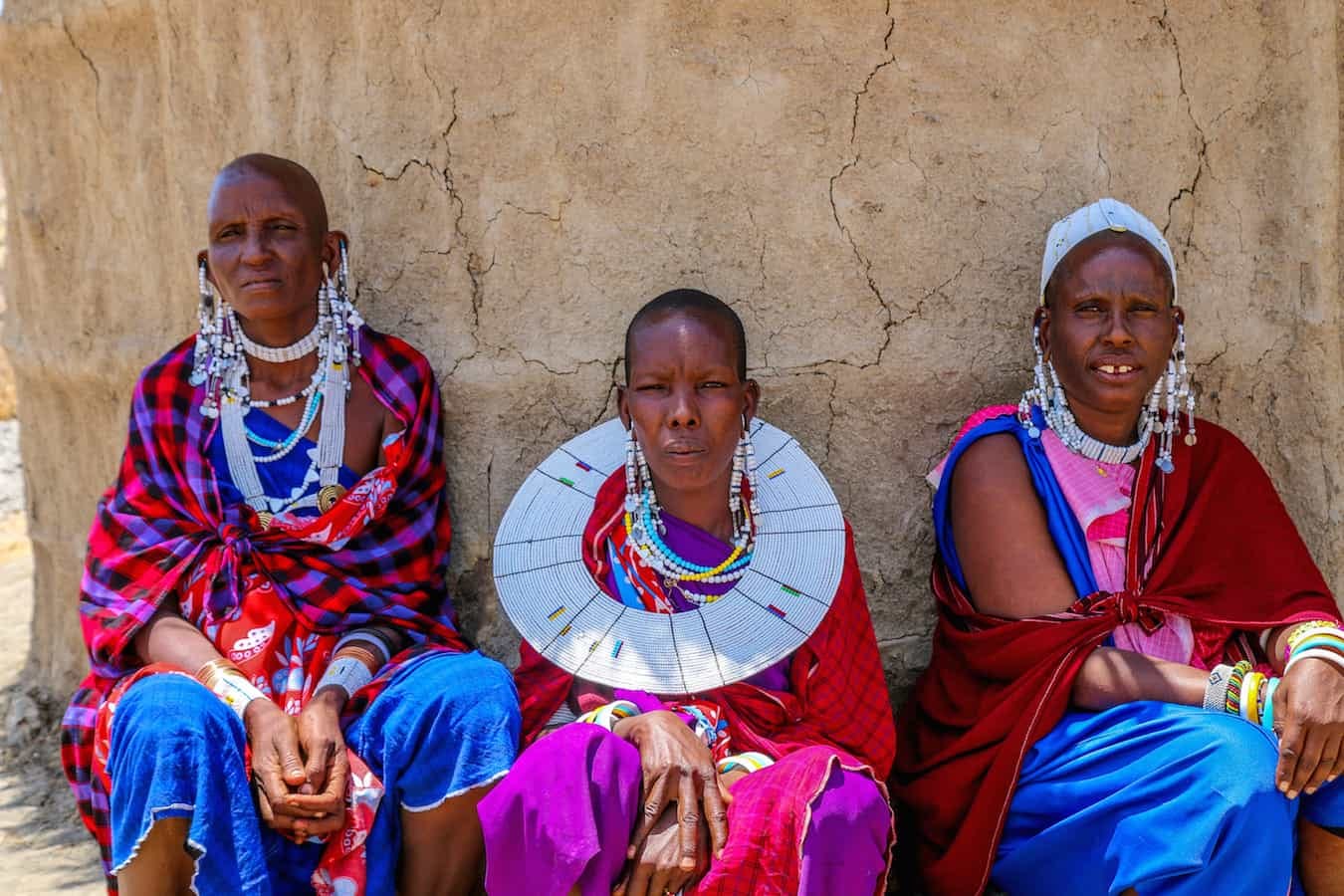
Near Dapash’s home community, the Maasai have a word: enkiama—roughly, the belonging of things to the land. The wildebeest belong to the Mara. The Mara belongs to the migration. What the Ritz-Carlton belongs to, in the end, is a balance sheet managed from Bethesda, Maryland, by the world’s largest hotel company, licensed through a Kenyan LLC with Saudi backing, rubber-stamped by a county government that may have received a presidential nudge, in a reserve whose own conservation plan said: not yet.
The suites are open. The plunge pools are full. And somewhere upstream, a herd is deciding which way to cross.
The Ritz-Carlton, Marriott International, Lazizi Mara Limited, and the Narok County Government did not respond to requests for comment for this article.
Fun Fact: Noticed two spellings of Maasai (or Masai). There exists a distinction:
Maasai: Refers to the people/tribe (the Maa-speaking people).
Masai: (one a in Masai): Commonly used to refer to the national reserve itself