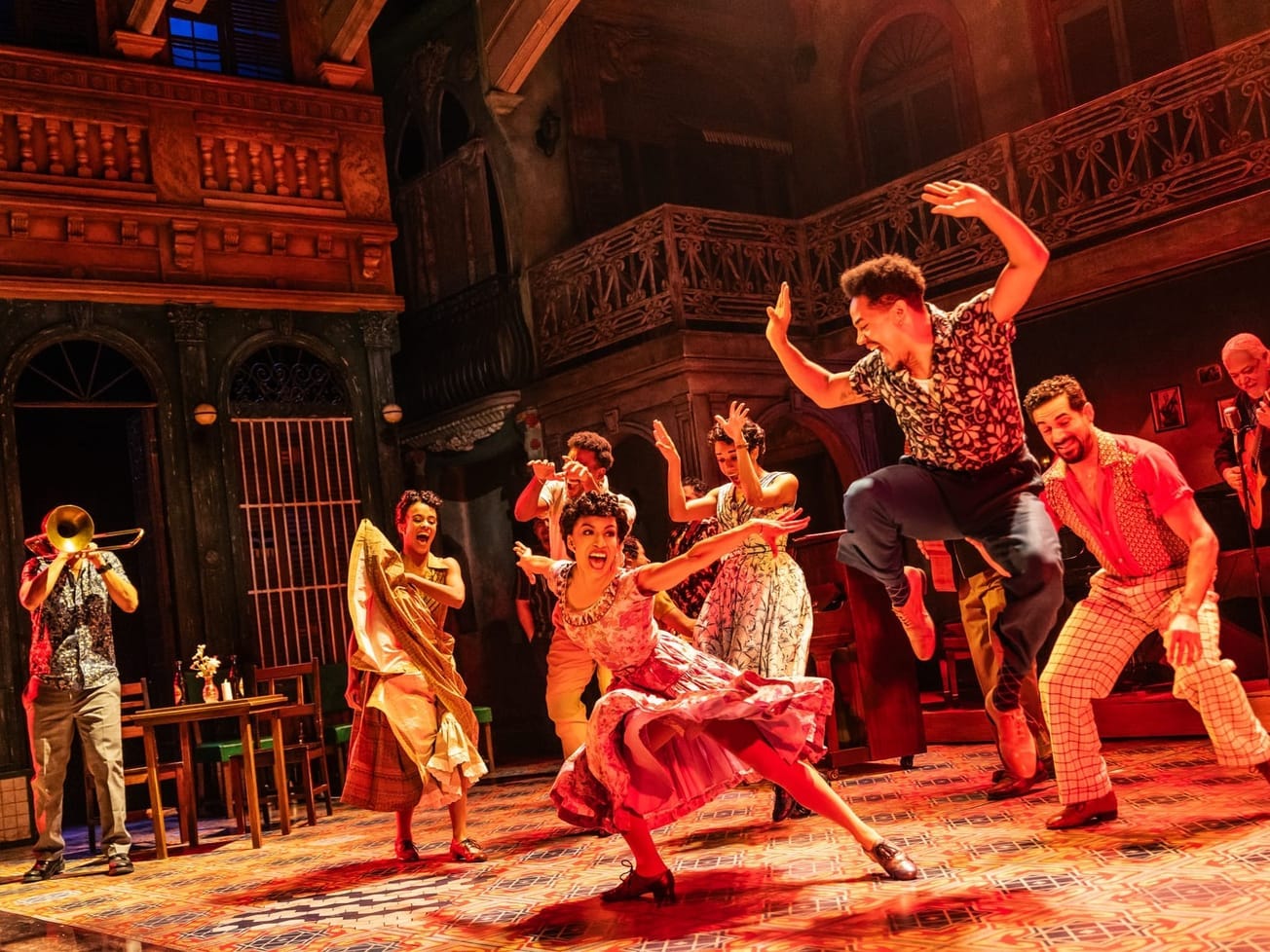

In the fading amber light of a Havana afternoon, where the salt air of the Malecón conspires with the peeling pastel stucco of the Vedado district, there exists a specific kind of silence. It is not an absence of sound, but a suspension of it—a breath held for forty years.
To understand the Buena Vista Social Club is to understand the art of the exhaled breath. When Ry Cooder, the American guitarist and musical excavator, wandered into the Egrem Studios in 1996, he wasn’t just looking for a melody; he was looking for a ghost. What he found instead were titans living in the shadows of a changing world, men and women who carried the DNA of Cuban son, bolero, and danzón in their calloused fingertips and weathered vocal cords.
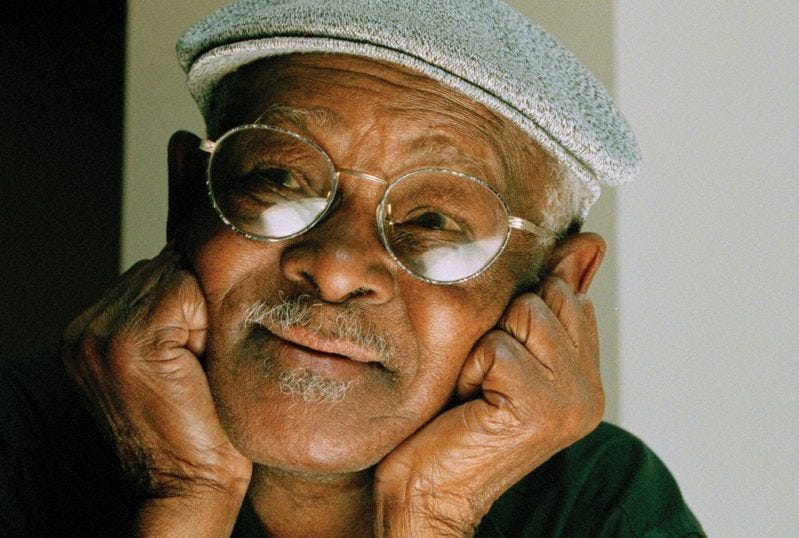
The original Buena Vista Social Club was never a recording studio; it was a members-only guild in the Marianao neighborhood of Havana, a place where the Afro-Cuban elite of the 1940s gathered to dance under the heavy humidity of the Caribbean night. It was a crucible of Musica Tropical, a genre that fused the rhythmic complexities of West Africa with the lyrical elegance of Spain.
But as the 1950s gave way to the Revolution, the club faded. The glittering brass sections were silenced by the austerity of a new era. The masters of the craft—the poets of the tres guitar and the grandmasters of the piano—slipped into the mundane machinery of survival.
Ibrahim Ferrer, a man with a voice like crushed velvet and smoke, was shining shoes for pesos.
Rubén González, perhaps the greatest jazz pianist the island ever produced, didn’t even own a piano; his fingers practiced the ghost-keys of his kitchen table.
Compay Segundo, already a legend in the 1930s, spent his days rolling cigars in a factory.
These were not merely “forgotten” artists. They were the living archives of a cultural elegance that the world had prematurely eulogized.
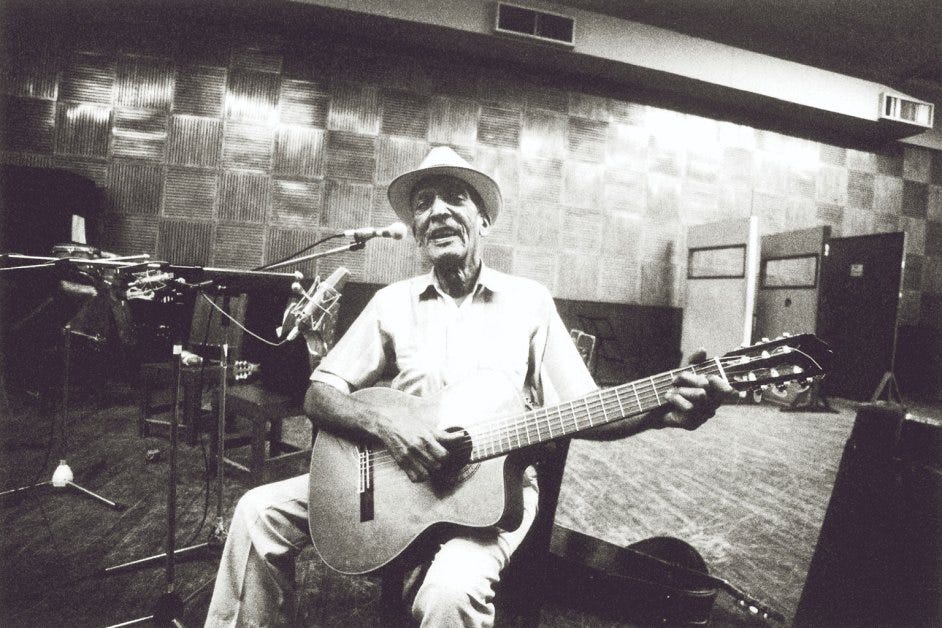
The recording sessions in 1996 were less a production and more a séance. Egrem Studios, with its high ceilings and vintage equipment, became a cathedral. When Cooder and producer Nick Gold gathered these veterans, there was no need for sheet music. The songs were etched into their bones.
The beauty of the Buena Vista Social Club lies in its imperfection. It is the antithesis of the polished, digital sheen of modern pop. You can hear the wooden floorboards creak; you can hear the sharp intake of breath before Ibrahim hits a high note in “Dos Gardenias”; you can feel the humidity in the room.
“In Cuba, music flows like a river,” Cooder once remarked. “It’s not something you do; it’s something you are.”
The album’s centerpiece, “Chan Chan,” written by Compay Segundo, became the heartbeat of the project. It is a deceptively simple progression—four chords that loop like a recurring dream—evoking the dusty roads of eastern Cuba. It is music that feels ancient and immediate all at once.
In its global ascent, the project did something more subversive than merely topping the charts; it challenged the long-held Western conceit that “high” musical art was a predominantly European or North American achievement. For decades, the global music industry had looked to the conservatories of Paris or the studios of London for sophistication. Buena Vista shattered this hierarchy.
It proved that a group of self-taught, elderly musicians from a Caribbean island—many of whom were descendants of enslaved peoples—possessed a technical and emotional complexity that rivaled the finest chamber orchestras. This wasn’t “world music” in the patronizing sense of a sonic curiosity; it was a masterclass in structural harmony and poetic phrasing. By capturing the world’s ear, these Cubans forced a reckoning with the fact that the epicenter of musical genius could just as easily be a crumbling room in Havana as a concert hall in Vienna.
The creative brilliance of the ensemble was rooted in the Son Cubano. To the uninitiated, it sounds like festive dance music. To the scholar, it is a sophisticated mathematical architecture. The Clave is the five-stroke pattern that serves as the temporal anchor. In Buena Vista, the clave is never forced; it is felt—a subterranean pulse that dictates the sway of the hips. The Anticipated Bass a uniquely Cuban innovation where the bass note lands slightly before the beat, creating a sensation of forward motion. The Lyricism insisting that the songs are vignettes of longing, sabor, and duende. They speak of flowers, of unrequited love, and of the red earth of the countryside.
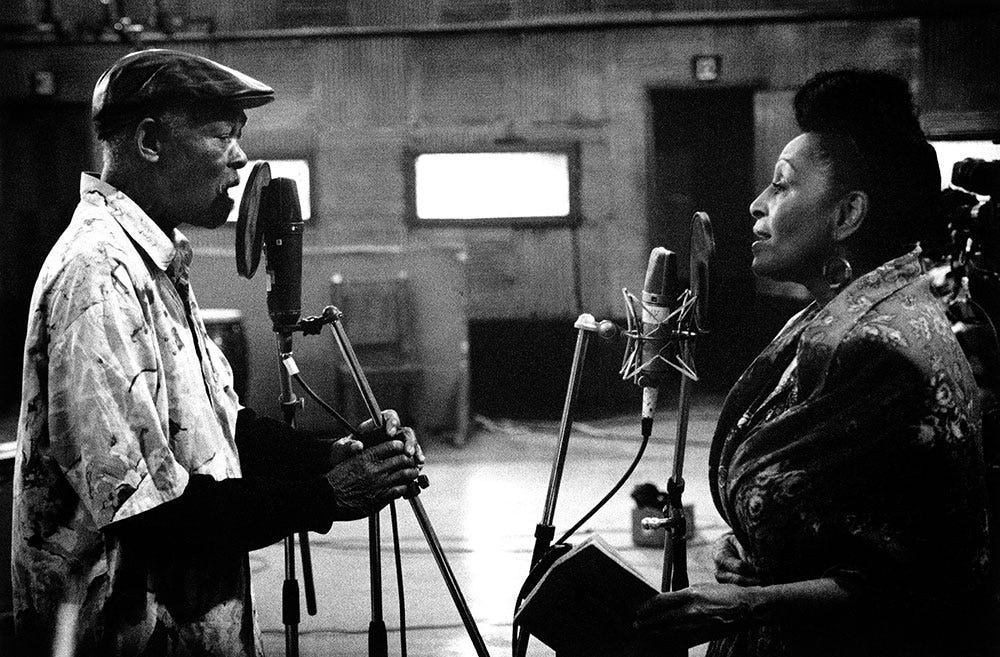
When Wim Wenders released his documentary on the group in 1999, the world finally saw the faces behind the sounds. We saw Ibrahim Ferrer’s humble smile as he walked through the streets of New York, a man who had gone from the streets of Havana to Carnegie Hall in the twilight of his life.
There is a profound, aching beauty in their success. It was a victory for the elderly and the ignored. It proved that soul has no expiration date and that true virtuosity is a slow-cooked endeavor. The Buena Vista Social Club didn’t just give us a collection of songs; they gave us a lens through which to view Cuba—not as a museum, but as a vibrant, rhythmic, and deeply romantic heart of the Americas.
Today, most of the original members have passed into the Great Beyond, but the echoes remain. Every time a needle drops on that record, the Havana sun rises again. The pastel walls stop peeling, the shoes are put away, and for fifty minutes, the world is invited to dance in a club that never truly closed its doors.
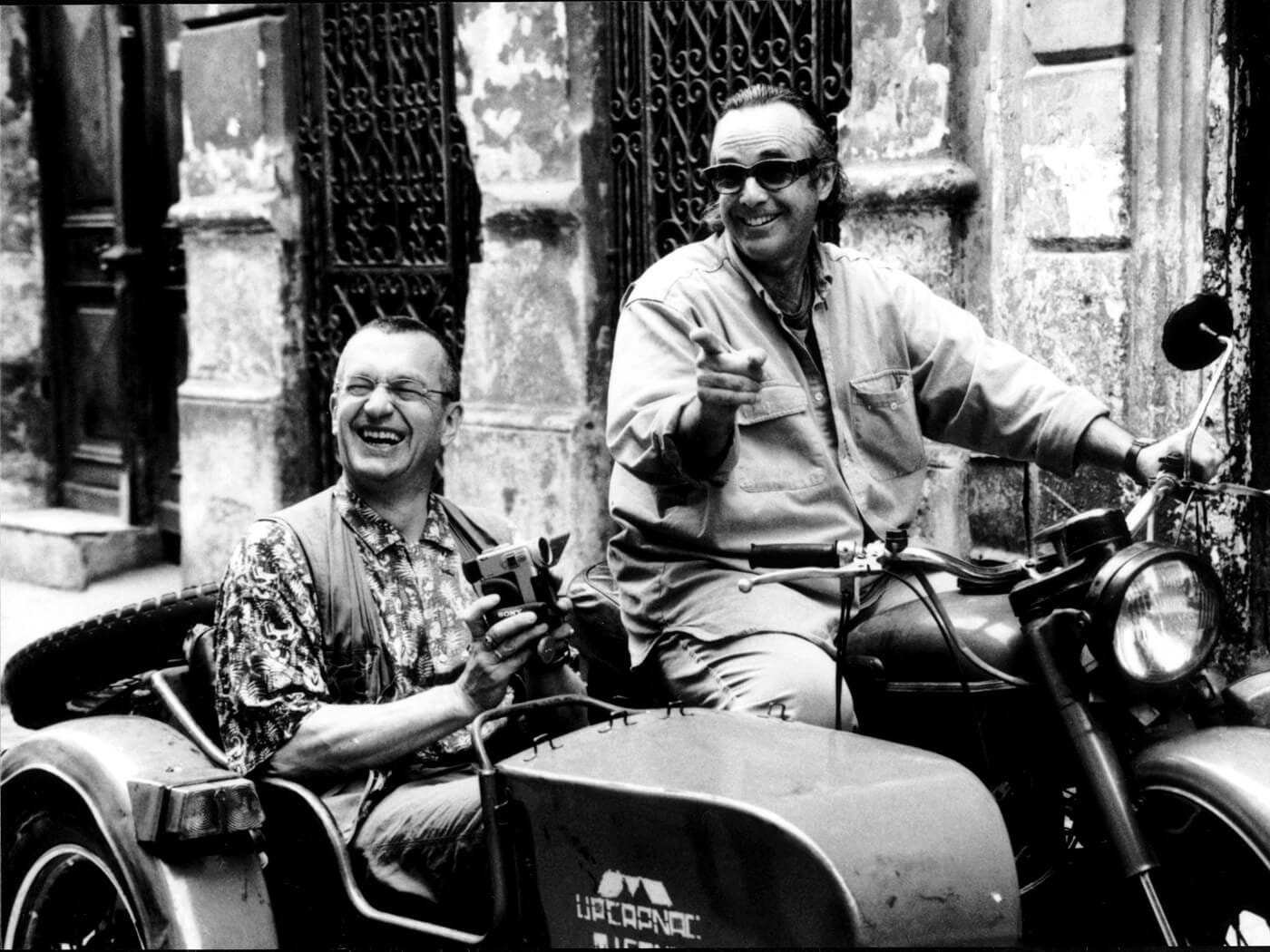
Beyond the Grammys and the film reels, Buena Vista Social Club fundamentally rewrote the traveler’s map of Cuba. Before 1997, the island was often framed in the Western imagination as a Cold War relic or a forbidden fortress. The album changed the lens, transforming Havana from a political abstraction into a pilgrimage site for the soul.
For the international travel community, the music became the definitive soundtrack for the “Special Period” recovery. It sparked a “Cuba-mania” that brought millions of tourists to the island, not for the beaches of Varadero, but for the cobblestones of Old Havana. Travelers arrived with a specific yearning: to find the “authentic” Cuba the music promised—a world of 1950s Buicks, mint-heavy mojitos, and the rhythmic clack of dominoes.
This influx was a double-edged sword. While it provided a desperate economic lifeline, it also created a curious time-loop. Today, you can hardly walk through Havana without hearing a house band launch into “Chan Chan” the moment they spot a tourist. The Buena Vista brand has become the island’s most successful export, a cultural shorthand that continues to define what it means to “experience” Cuba.