


On the misted shores of Lake Bunyonyi, in the Kigezi highlands of southwestern Uganda, the hills fold into one another like the pages of a book still being written. It is here, in the nineteen-eighties, that a boy named Alex Atuheire grew up without much of anything. His parents divorced when he was two, and he was raised by his mother in a household where food was often scarce and survival was a daily negotiation. He lived, for a time, in his grandmother’s mud house, and the household’s hardships deepened after the sudden death of his father in an accident. Even so, Alex ranked among the top students in his primary school and across the wider sub-county — a fact that made it all the more bitter when a lack of school fees forced him to repeat his final year of primary school, his education held hostage by circumstance rather than ability.
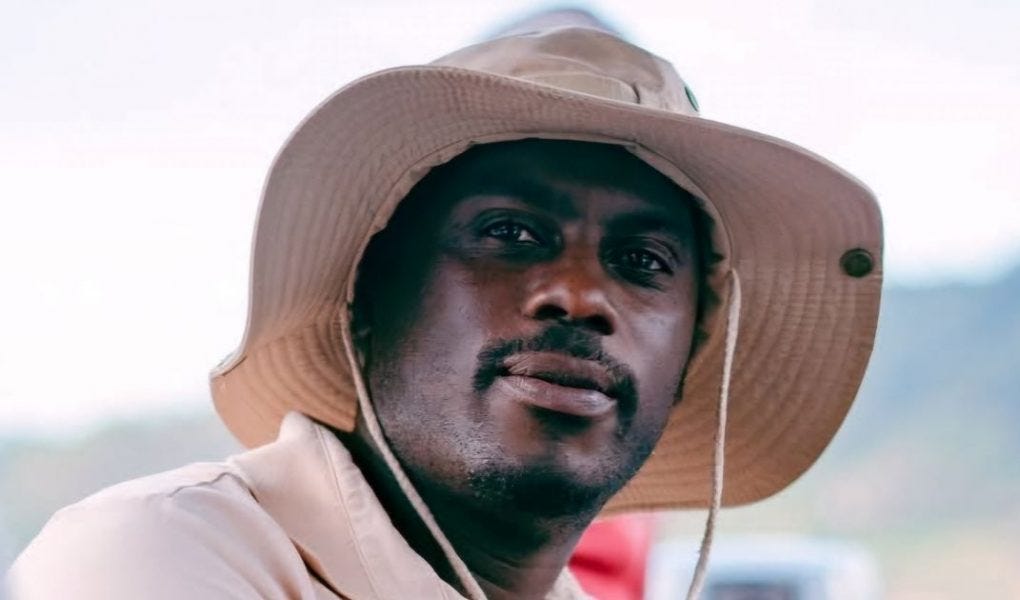
It is a common enough story in rural Uganda — talent arriving in a household with no means to nurture it. What makes Atuheire’s story worth telling in these pages is not the hardship but what he built out of it. In 2005, having earned his teaching credentials, he returned to the shores of Lake Bunyonyi to work with orphaned children, bringing to the task a firsthand understanding of the desperation these children carried. He was soon joined by a childhood friend, Alphonse Twinamatsiko, the seventh of ten children in a subsistence-farming family, who had begun selling banana fibers at the age of eight to pay his own school fees. Two boys who had scraped their way through adolescence became, in adulthood, partners in a project neither could have built alone.
That project, at first, was not a company at all. Alex and Alphonse began teaching informally, then expanded to serve multiple communities, focusing on children affected by poverty, disability, or the loss of parents, while also equipping families with skills in nutrition, hygiene, and income generation. By 2011 the grassroots effort had formalized into the Amatsiko Organization, and in 2014, with the backing of local churches and community leaders, they opened the doors of Amatsiko Preparatory School — built in part to pull children off the streets of nearby Kabale, where idleness was quietly feeding a cycle of petty crime. Today the school provides free education and meals to some four hundred and twenty underprivileged children, sixty of whom live on campus, with the rest housed among approved guardians in the surrounding villages.
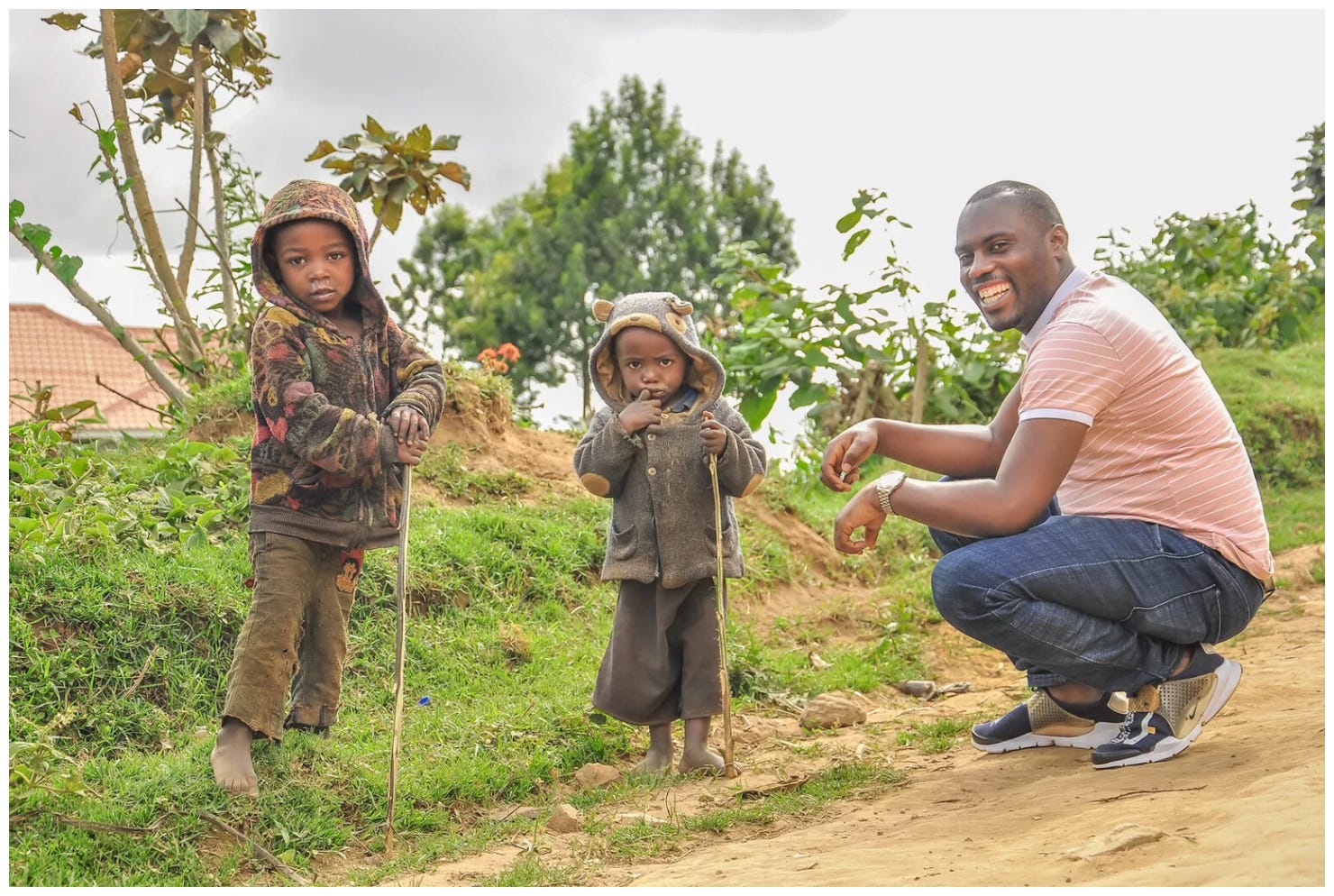
The word amatsiko, in the local Rukiga language, means hope. It is a fitting name for what came next. A school, however well run, is only as sustainable as its funding, and grants and goodwill have a way of running dry. So Atuheire and Twinamatsiko did something audacious for two men without capital or connections: they started a tour company. Amatsiko Tours does not merely show visitors Uganda’s gorillas and crater lakes — it tries to connect them to the country, threading each itinerary through the school and the villages that surround it.
The mechanics of that promise are concrete rather than sentimental. Twenty per cent of the company’s profits go directly toward community support — the school, family assistance, conservation work. A portion of every booking funds teacher salaries, learning materials, and infrastructure at Amatsiko Preparatory School, while also reaching the local guides, farmers, and artisans a traveler meets along the way. Guests who take the company’s “Gorilla Trek and Give Back” package spend their mornings in Bwindi Impenetrable Forest, tracking one of the world’s remaining mountain gorilla families, and their afternoons in a classroom, or a banana grove, or a beekeeper’s yard. Visitors have described watching Atuheire tend a beehive with what one called patience and respect, then, hours later, sitting down to a meal cooked over coal fires with a local grandmother, learning to braid a bangle between courses.
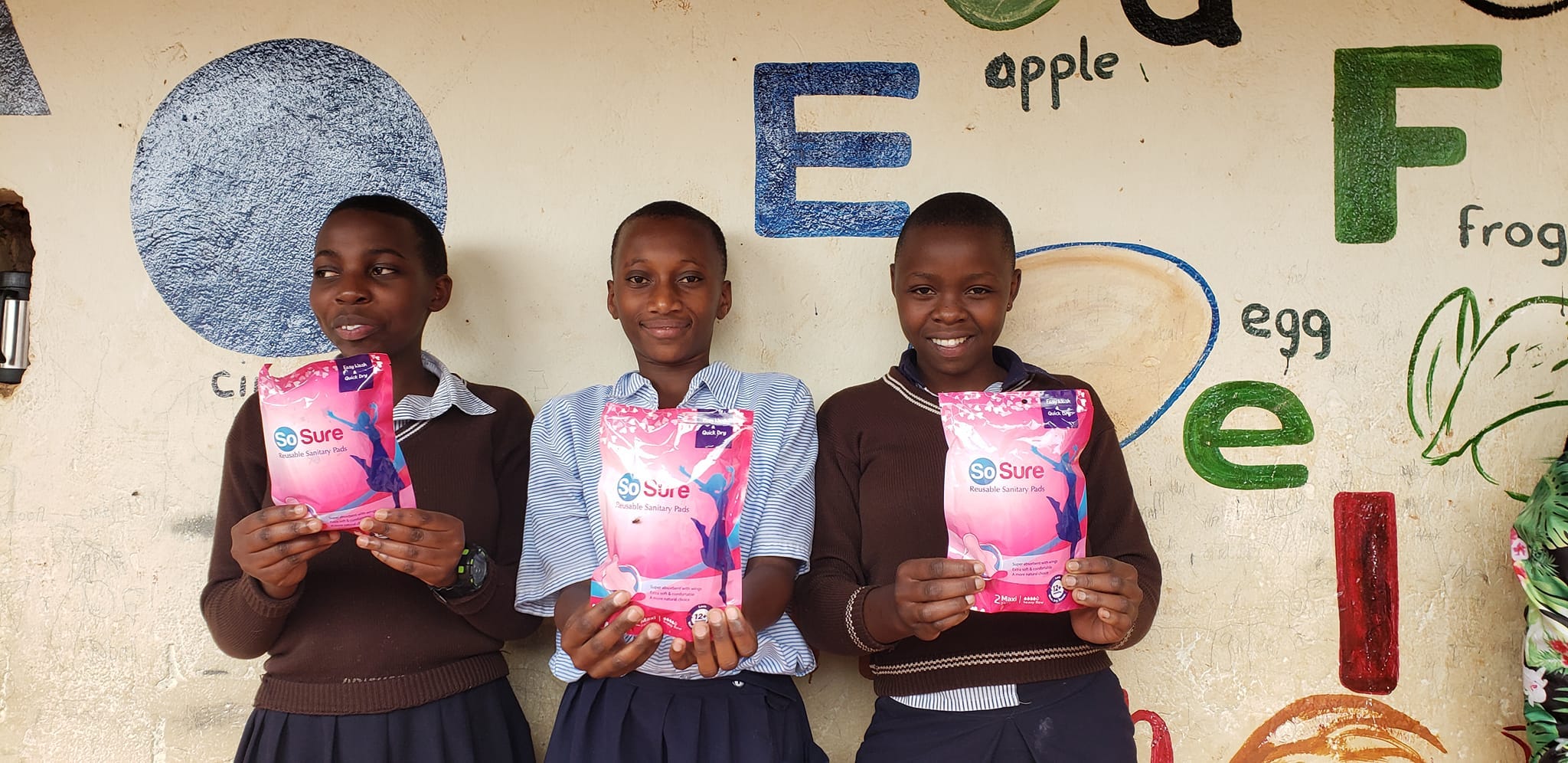


This is the quiet argument Amatsiko makes with its itineraries: that tourism, so often an extractive industry — dollars spent, photographs taken, little left behind — can be reorganized around reciprocity instead. Community-based tourism, as it is practiced here, replaces the large lodge and the rushed circuit of parks with something slower: homestays around Lake Bunyonyi, cooking classes in the Kabale and Kisoro districts, afternoons at a women’s craft cooperative, evenings of village storytelling under an equatorial sky. The gorillas remain the draw — few travelers cross an ocean without wanting to see them — but the company has made a wager that what visitors will remember, years later, is not the animal in the mist but the child who taught them a word in Rukiga, or the elder who explained a medicinal plant grown outside a mud-walled home.
Word of the model has spread mostly by the oldest form of marketing there is: travelers returning home and talking. One American visitor, describing a chaotic trip beset by missed flights and a broken phone, recalled that Atuheire and his co-founder kept the group calm throughout, and noted that the company’s profits flow directly into educating rural children at the school the two men built themselves. It is, of course, in Amatsiko’s interest that such testimonials circulate. But the school’s four hundred and twenty students, its dormitories, its teachers drawing salaries — these are not marketing copy. They are the compounding interest on a bet placed by two boys who once had nothing to invest but their own persistence.
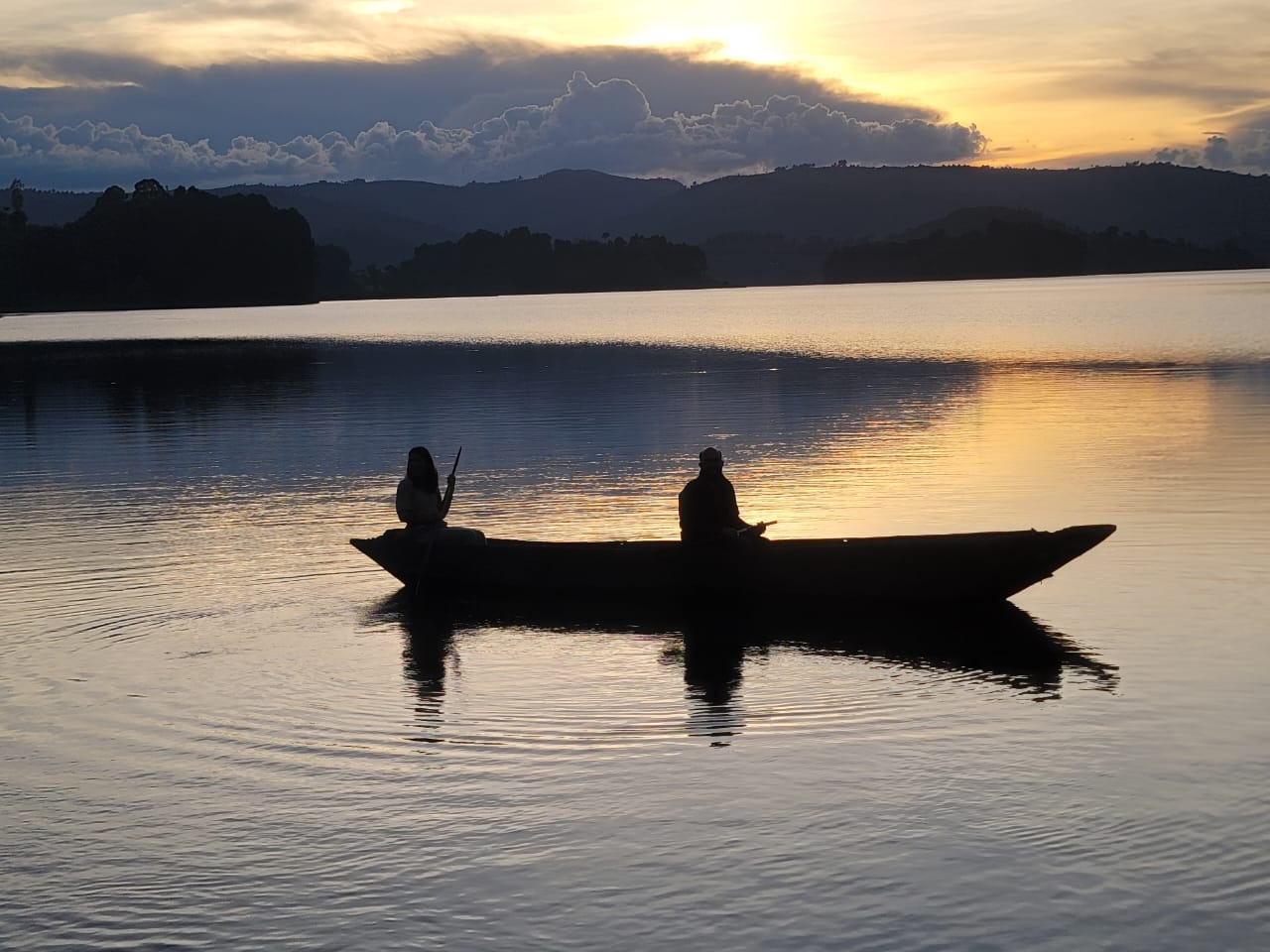
There is a version of Atuheire’s biography that ends at hardship, the kind of story that gets told about a place rather than by the people who live there — Uganda as backdrop for a Western traveler’s awakening. Atuheire’s version insists otherwise. “My school career is full of miracles and wonders,” he has said of his own path, adding that he carries a particular passion for children who grew up as he did — one that sits alongside a wish to protect his land’s beauty and the knowledge held by its elders. It is a modest enough sentence for a life spent proving that a childhood of scarcity, met with sufficient stubbornness, can be rebuilt into an engine of abundance for others. The lake is still there, and the hills still fold into one another. What has changed is who gets to walk them, and why.
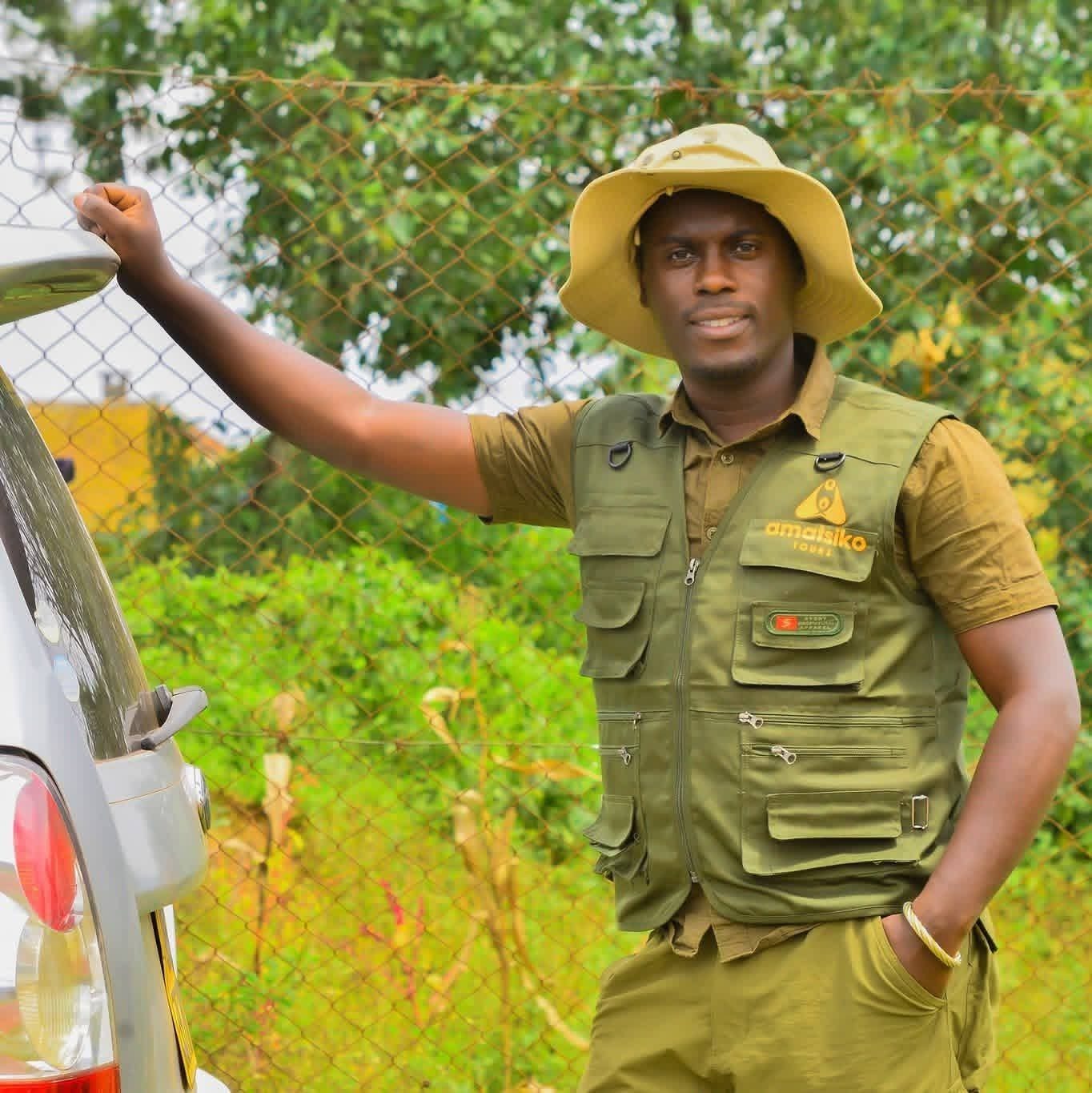
For travelers considering Uganda: engagement can take many forms — a homestay along Lake Bunyonyi, a volunteer placement at Amatsiko Preparatory School, an afternoon with a women’s weaving cooperative, or simply the choice of an operator whose profits are visibly, traceably reinvested in the community it moves through. The measure of a meaningful trip, Atuheire’s own life suggests, is not the itinerary but what — and whom — it leaves standing after you’ve gone home.
alex atuheire turned scarcity into a school for 420 kids — 20% of profits, all in. tourism reorganized around reciprocity. this is the kind of story that reminds me why i got into this industry.