


There is a particular kind of silence that falls over a nation of half a million people when its goalkeeper is 40 years old, has just made his eighth save of the night, and is somehow still standing between his country and elimination. In Miami, in the early hours of July 3rd, that silence belonged to Cape Verde. By the time Argentina’s Cristian Romero finally forced the ball past Vozinha — deflecting in off the unlucky boot of Diney Borges, 111 minutes into a match that had no business being that close — the Blue Sharks had done something no amount of tourism marketing ever could. They had made the world watch.
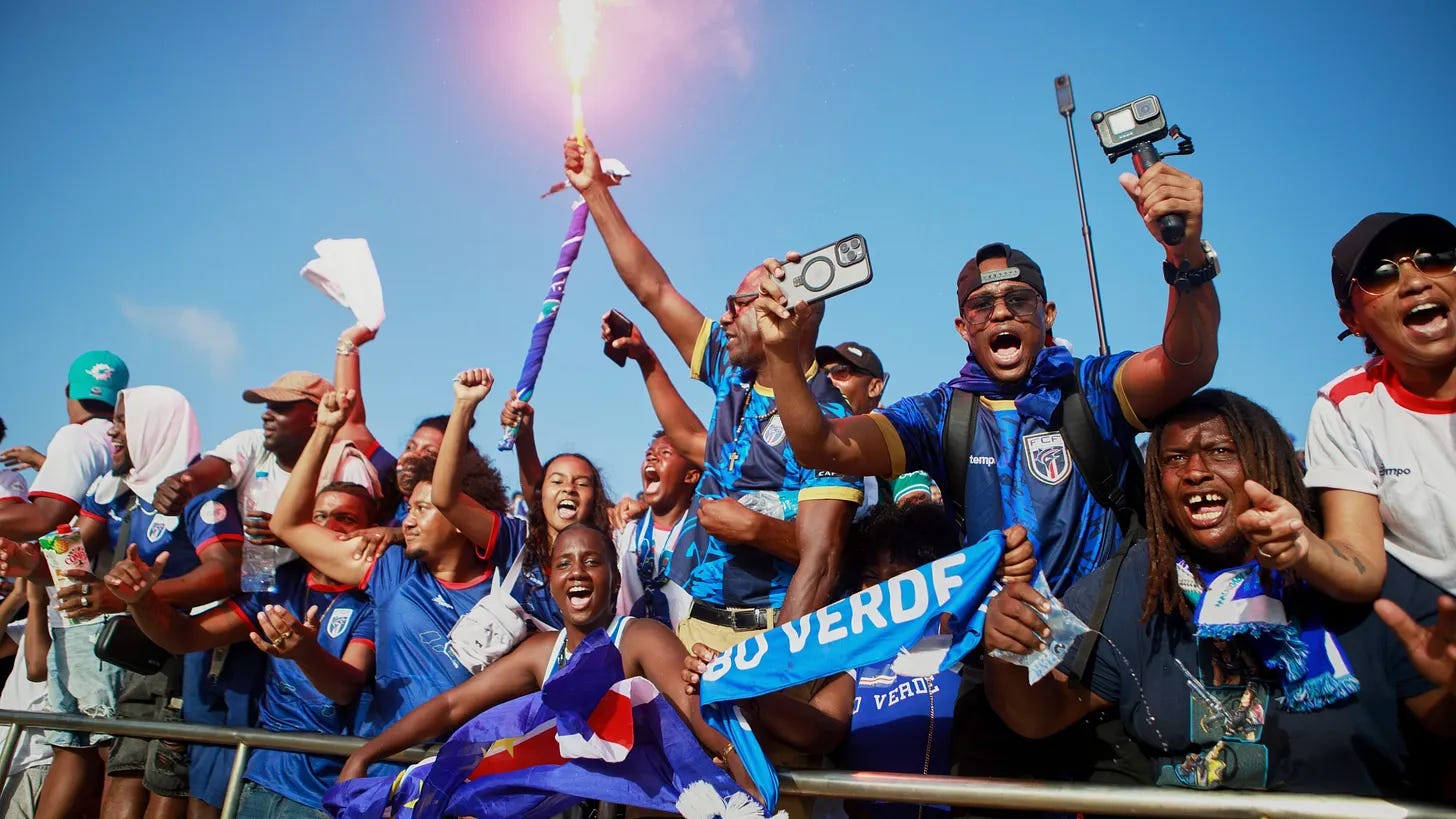
It is worth pausing on the arithmetic of the thing, because the arithmetic is the story. Cape Verde is an archipelago of ten volcanic islands roughly 385 miles off the coast of Senegal, home to about 530,000 people — fewer than live in Wichita, Kansas. Only Iceland, at the 2018 tournament, had ever sent a smaller population to a World Cup. And yet on October 13, 2025, in front of 15,000 fans crammed into the 8,000-capacity National Stadium in Praia, the Blue Sharks beat Eswatini 3-0 to finish atop a qualifying group that included Cameroon, an eight-time World Cup nation with five Africa Cup titles. Coach Pedro “Bubista” Brito, a former centre-back capped 21 times for his country, had spent the campaign fielding a squad stitched together from the diaspora — Roberto “Pico” Lopes, the team’s defensive anchor, was reportedly recruited via a LinkedIn message. Cape Verde’s federation president called it a victory not just for football, but “for those who fought for our independence.” The timing was not incidental: 2025 marked fifty years since that independence was won.
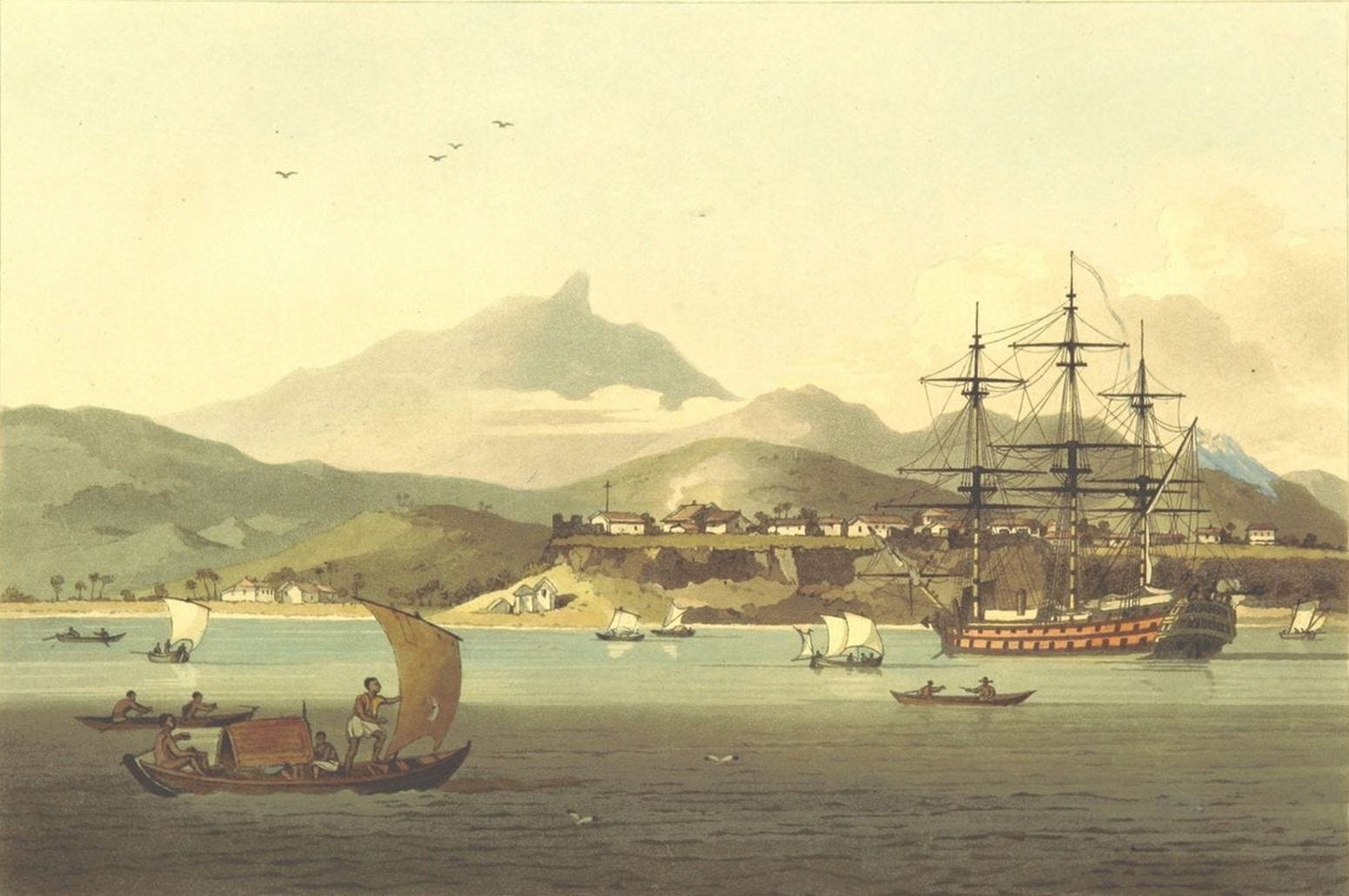
That history is not a footnote; it is the marrow of the story. Cape Verde was uninhabited until Portuguese sailors arrived in 1456, and for the next five centuries it served, brutally, as a waypoint in the transatlantic slave trade — the old town of Cidade Velha, now a UNESCO World Heritage site, still holds the ruins of one of the earliest European settlements in the tropics. Independence, declared on July 5, 1975, came not from an uprising on the islands themselves but from a guerrilla war waged in neighboring Guinea-Bissau by the PAIGC, the liberation movement founded by Amílcar Cabral — an agronomist-poet whose assassination in 1973 came two years before he could see the flag he’d fought for raised. His portrait still watches over Praia’s streets today, and his old headquarters is now a modest museum. A nation once dismissed, in the words of skeptics at the time, as economically “unviable” spent fifty years proving otherwise. Then it spent one summer proving it again, in front of a global audience of billions.
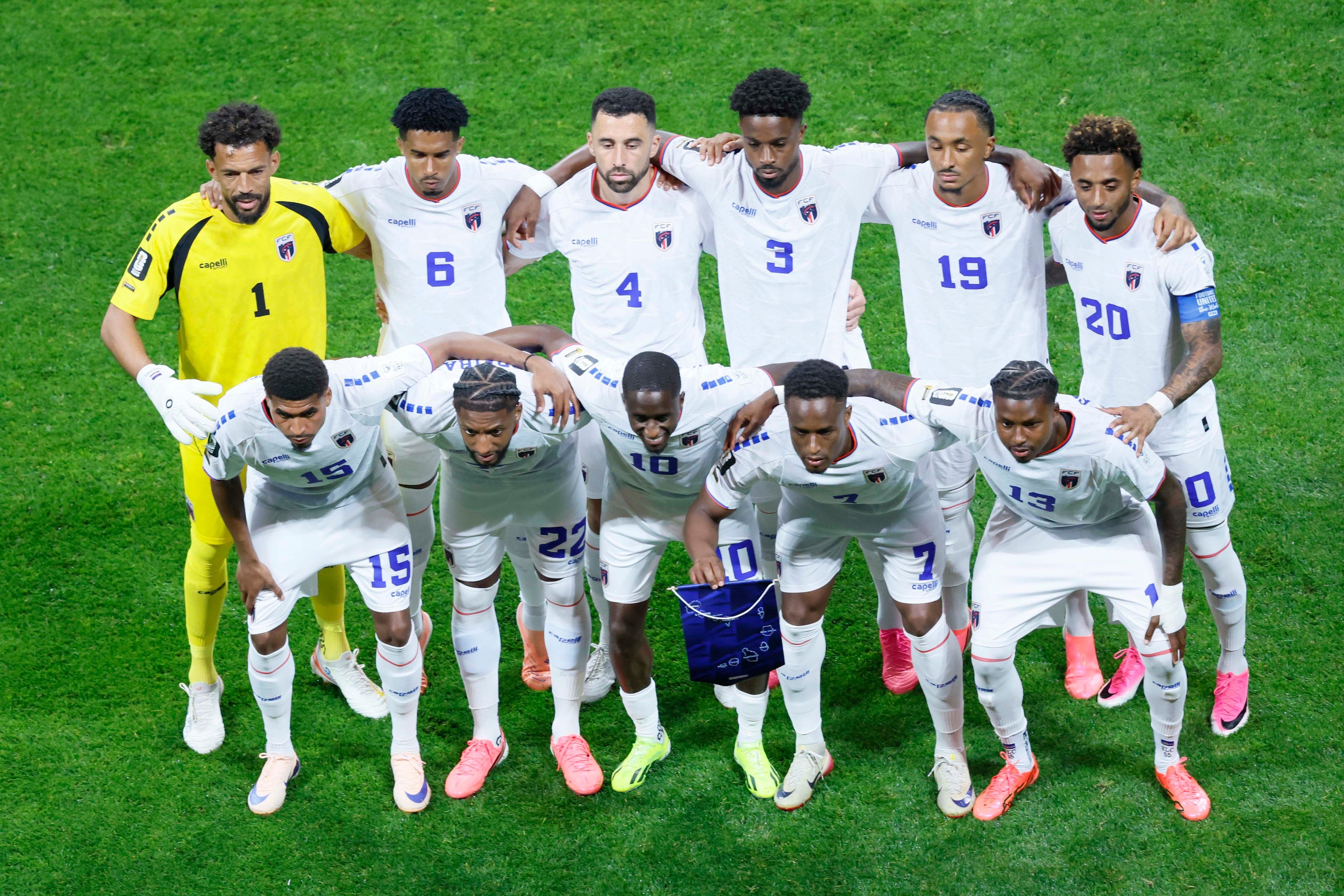
Once the tournament began, the disbelief compounded. Cape Verde held Spain, the 2010 champions, to a scoreless draw. It clawed back a 2-2 result against Uruguay. It ground out another 0-0 against Saudi Arabia to become the smallest nation in World Cup history to reach the knockout rounds — never winning a match, and somehow needing not to. Then came Argentina, the defending champions, ranked No. 1 in the world, and a match that Sky Sports called the closest thing to the “biggest upset in World Cup history.” Lionel Messi opened the scoring; Deroy Duarte answered. Lisandro Martínez restored the lead deep into extra time; Sidny Lopes Cabral answered that too, curling in what commentators are already calling one of the great goals in tournament history. Cape Verde lost, 3-2. Nobody who watched it would call it a defeat.
The economics arrived almost as fast as the headlines. According to Google Trends data compiled across the tournament, “Cabo Verde holiday” searches rose 1,522 percent, among the largest increases recorded for any World Cup nation. Skift reported that Expedia logged an 800-percent jump in U.S. search volume; TUI’s search traffic for the destination doubled; interest from Japan climbed 110 percent. American searches for “Cabo Verde vacation” specifically were up more than 5,000 percent year-over-year. For context, tourism already accounts for roughly a quarter of Cape Verde’s GDP and about 10 percent of formal employment, with 1.24 million visitors in 2025 alone — arrivals were already climbing 16.8 percent in early 2026, before a ball was kicked.
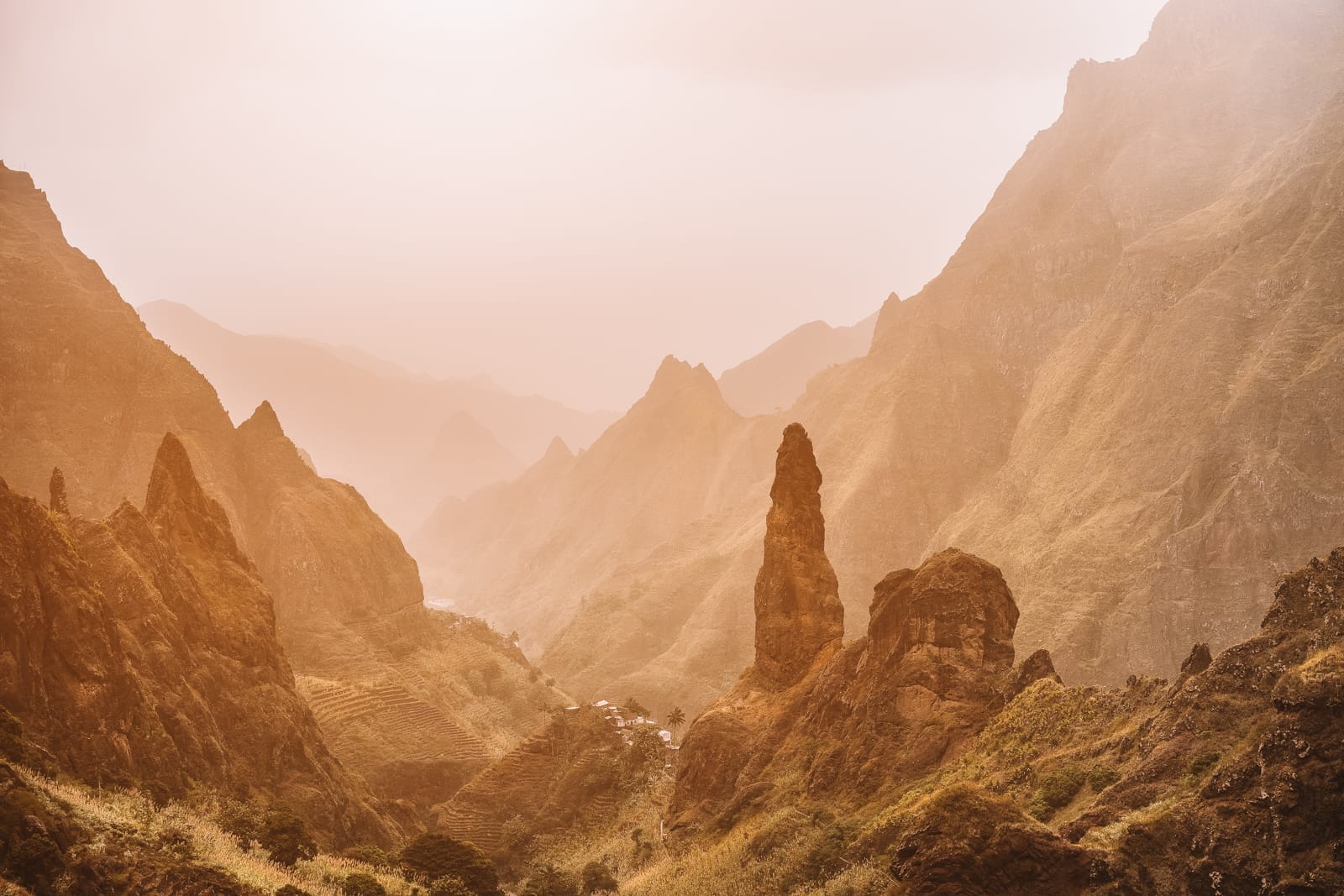
The opportunity, and the challenge, is conversion. Cape Verde’s tourism economy is heavily European and heavily concentrated: seven countries generate more than 70 percent of arrivals, and roughly 80 percent of bed-nights cluster on just two of the nine inhabited islands, Sal and Boa Vista, known for their pale, wind-combed beaches and all-inclusive resorts. The other seven islands offer something closer to a secret. Santo Antão’s ribbon-thin trails cut through green volcanic valleys that feel untouched by anything. Fogo’s Pico do Fogo, a 2,829-meter active volcano that last erupted in 2014, draws hikers into a landscape that looks lunar. São Vicente carries the musical legacy of Cesária Évora and the “morna” ballads that made her a national icon. And Praia, the capital, holds the weight of it all — museums to Cabral, the fortress ruins of Cidade Velha, streets where the word morabeza, the islands’ particular ethic of warmth toward strangers, isn’t a slogan but a fact of daily life.
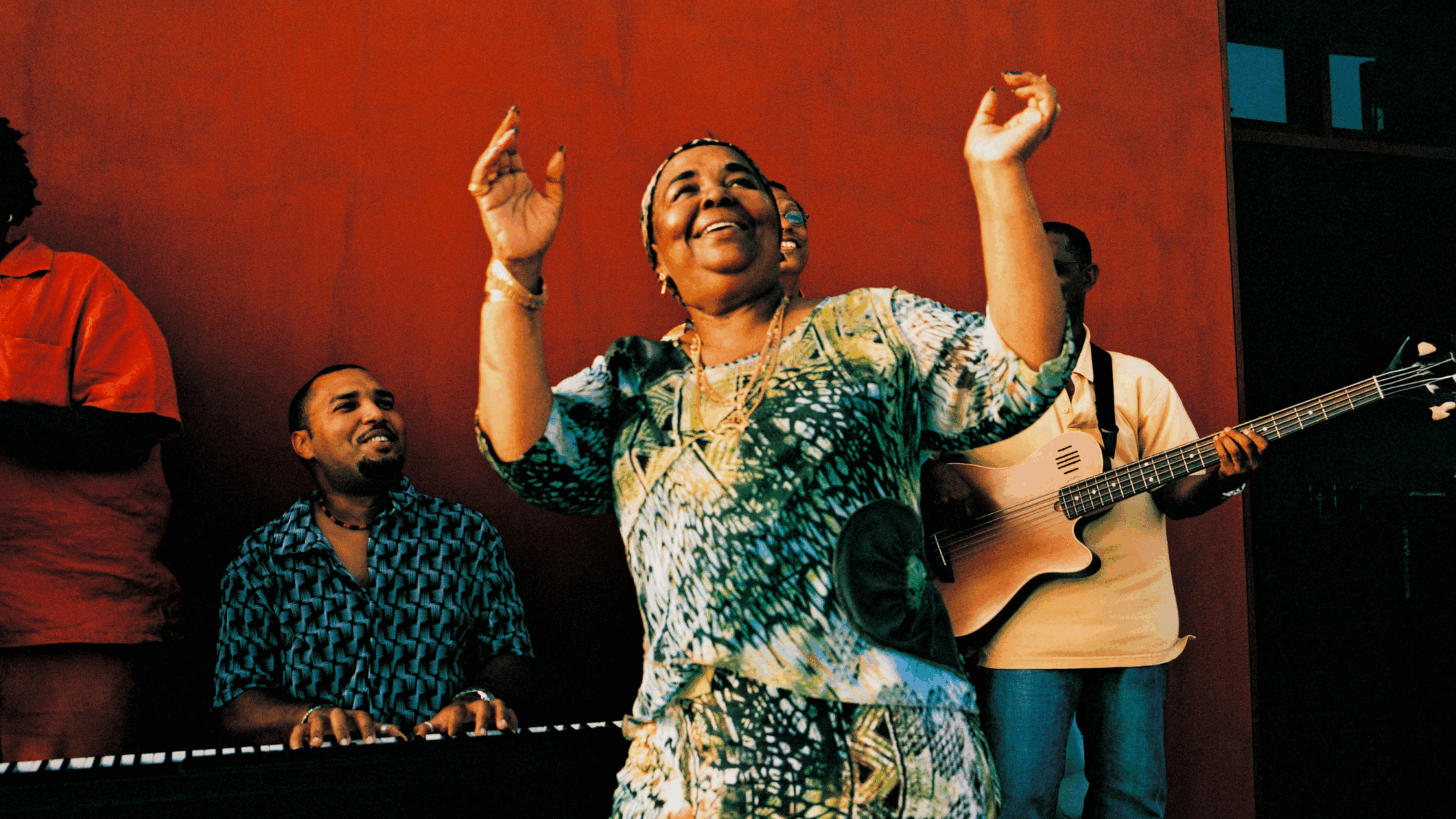
Backed by a $75 million World Bank-financed program for resilient tourism and blue-economy development, and a five-year diversification strategy aimed at courting American travelers — currently just 1 percent of foreign hotel guests, despite a sizable U.S.-based diaspora — Cape Verde now has the rarest asset a small economy can be handed: global attention it did not have to buy. Morocco and Croatia offer instructive precedent for how quickly such spikes can fade without follow-through on air connectivity and local infrastructure. But for a nation that spent five centuries as a waypoint for other people’s journeys, the Blue Sharks’ summer suggested something quietly radical — that Cape Verde might finally be the destination, not the stop along the way.