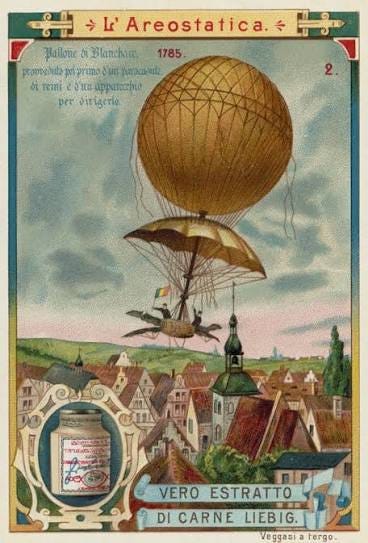
1793 — Jean-Pierre Blanchard makes the first hot air balloon flight in America, witnessed by George Washington, sparking early American fascination with flight.
1861–1865 — The Union Army uses hot air balloons for reconnaissance during the Civil War, marking the first military use of aircraft in America.
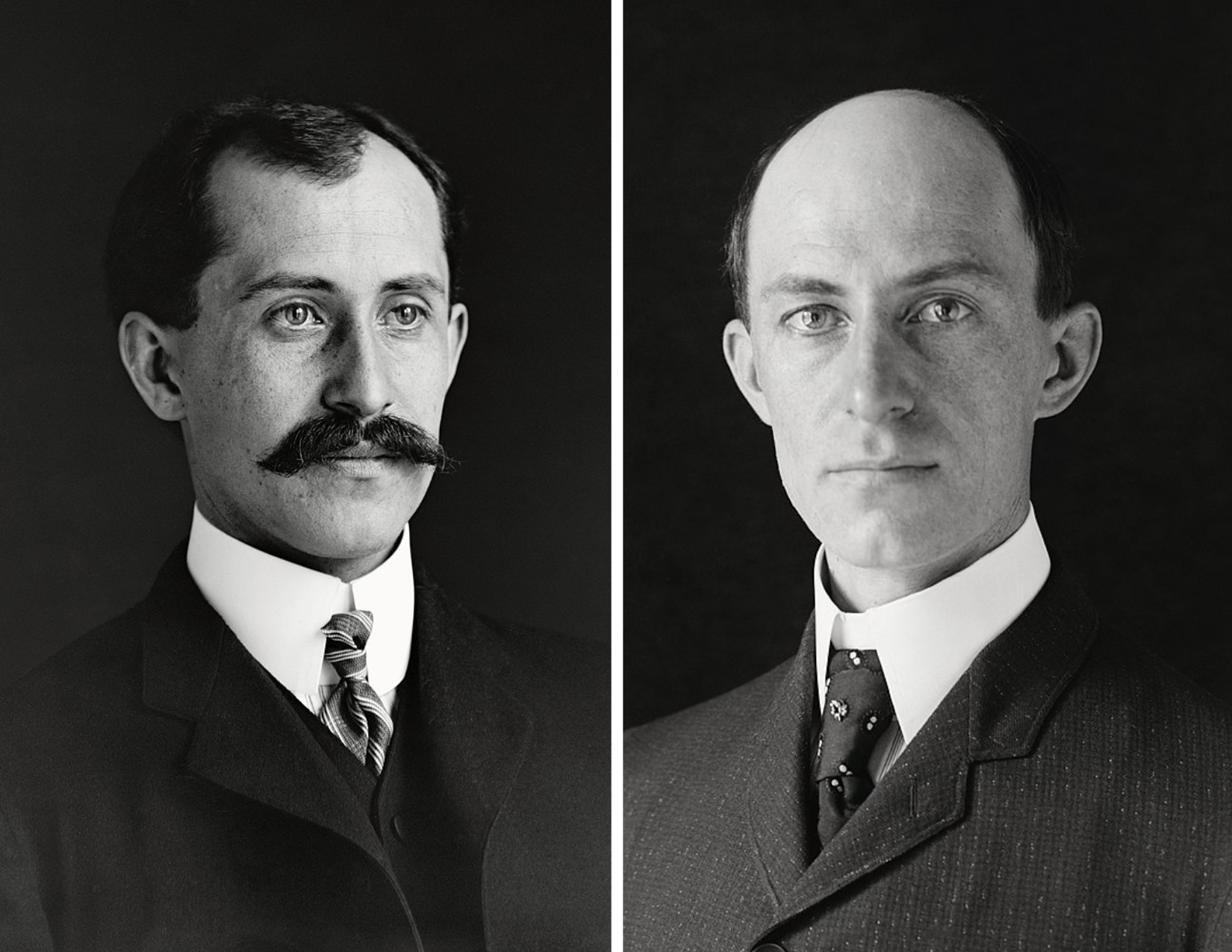
1903 — The Wright Brothers achieve the first powered, controlled, sustained airplane flight at Kitty Hawk, North Carolina.
Orville (Left) and Wilbur (Right) Wright
1908 — The Wright Brothers demonstrate their aircraft to the U.S. Army, leading to the first military aircraft contract.
1911 — Calbraith Perry Rodgers completes the first transcontinental flight across the U.S., though it took 49 days with many stops and crashes.
1914 — The St. Petersburg-Tampa Airboat Line launches the first scheduled commercial airline flight in the world.
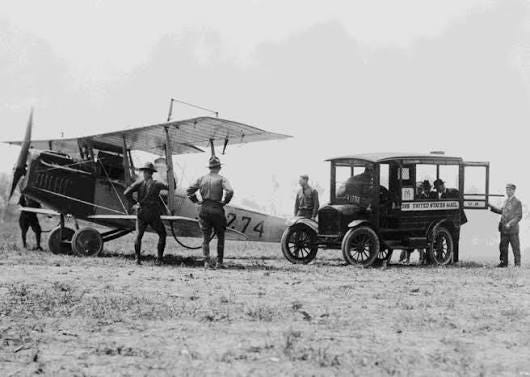
1918 — The U.S. Post Office begins regular airmail service, laying critical groundwork for commercial aviation infrastructure.
1920s — Airmail routes expand nationwide, and early beacons and lighted airways are built to guide night flying.
1926 — The Air Commerce Act establishes federal regulation of civil aviation, improving safety standards.
1927 — Charles Lindbergh completes the first solo nonstop transatlantic flight from New York to Paris, capturing global attention and boosting public trust in flying.
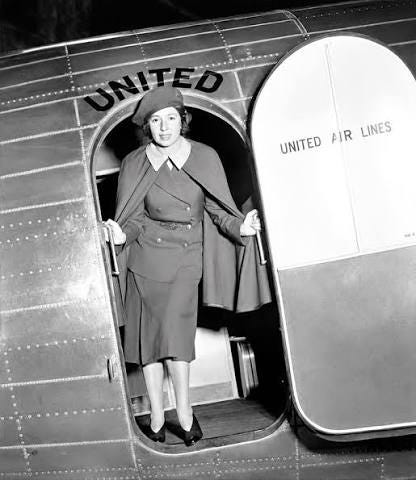
1930 — Ellen Church becomes the first flight attendant, and United Airlines pioneers in-flight passenger service.
1933 — The Boeing 247 debuts as one of the first modern all-metal commercial airliners.
1935 — The Douglas DC-3 enters service, becoming the first aircraft to make passenger air travel profitable without mail subsidies.
1935 — Pan Am’s “China Clipper” launches the first scheduled transpacific passenger and mail service.
1938 — The Civil Aeronautics Act creates a regulatory framework that standardizes safety and route licensing.
1947 — Chuck Yeager breaks the sound barrier in the Bell X-1, proving supersonic flight is achievable.
1952–1958 — Jet engine development accelerates, culminating in the Boeing 707.
1958 — The Boeing 707 enters commercial service, officially launching the jet age and cutting transatlantic flight times dramatically.
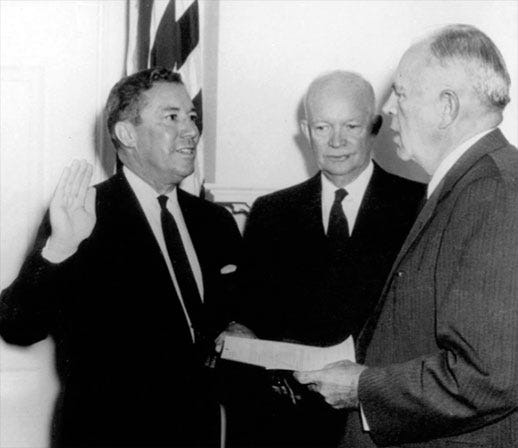
1958 — The Federal Aviation Administration (FAA) is established to oversee air traffic safety amid growing jet traffic.
Elwood R. Quesada takes the oath as FAA's first Administrator.
1970 — The Boeing 747 “Jumbo Jet” debuts, more than doubling passenger capacity and making international travel more affordable.
1978 — The Airline Deregulation Act removes government control over fares and routes, spurring competition and lower prices.
1988 — Boeing introduces fly-by-wire technology improvements and digital cockpit systems, enhancing safety and precision.
1995–2000s — GPS-based navigation systems become standard, improving route efficiency and safety across U.S. airspace.
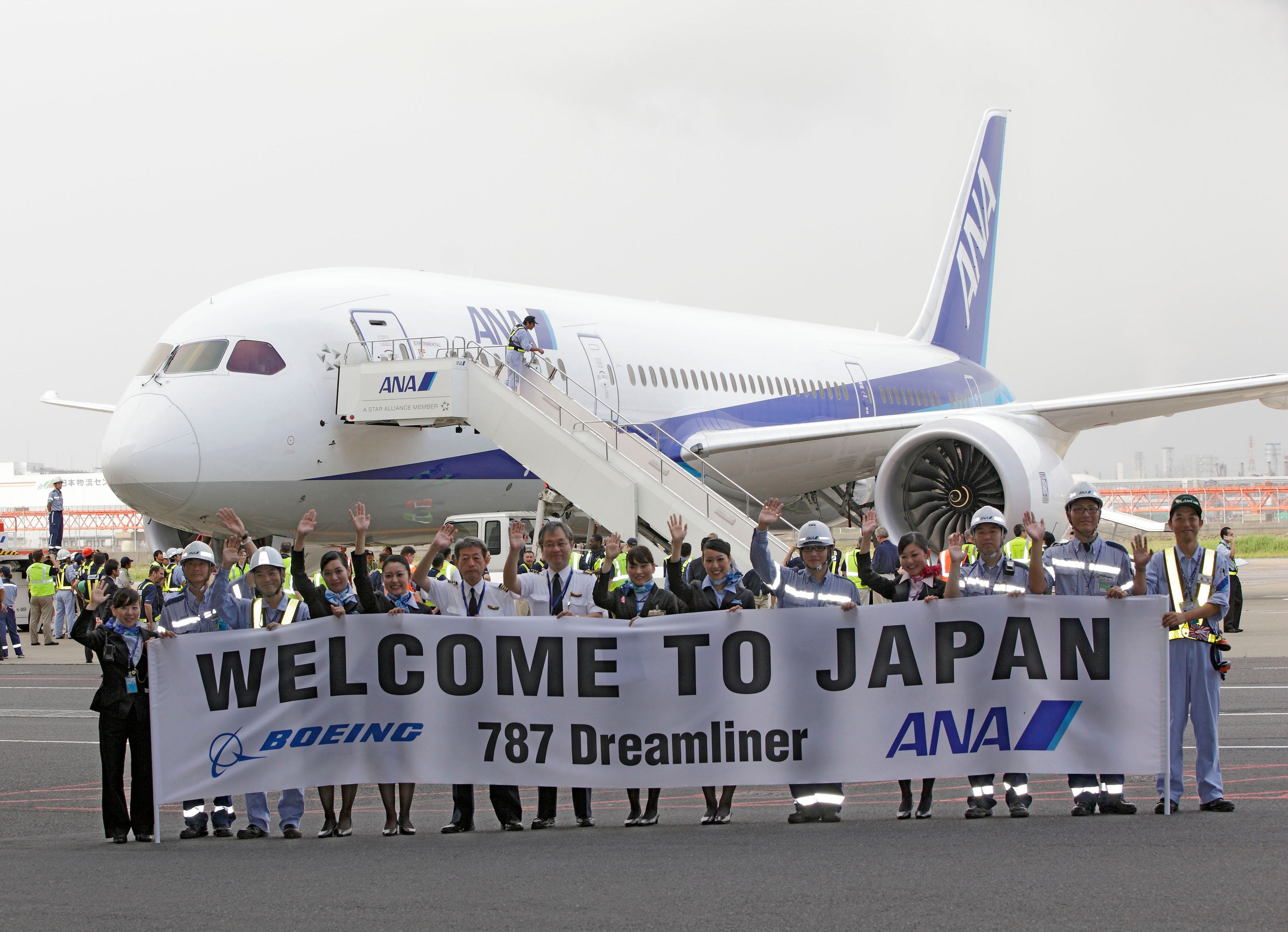
2011 — The Boeing 787 Dreamliner enters service, using lightweight composite materials to cut fuel consumption significantly.
2022 - Pay Me In Plane Tickets Founded 😂
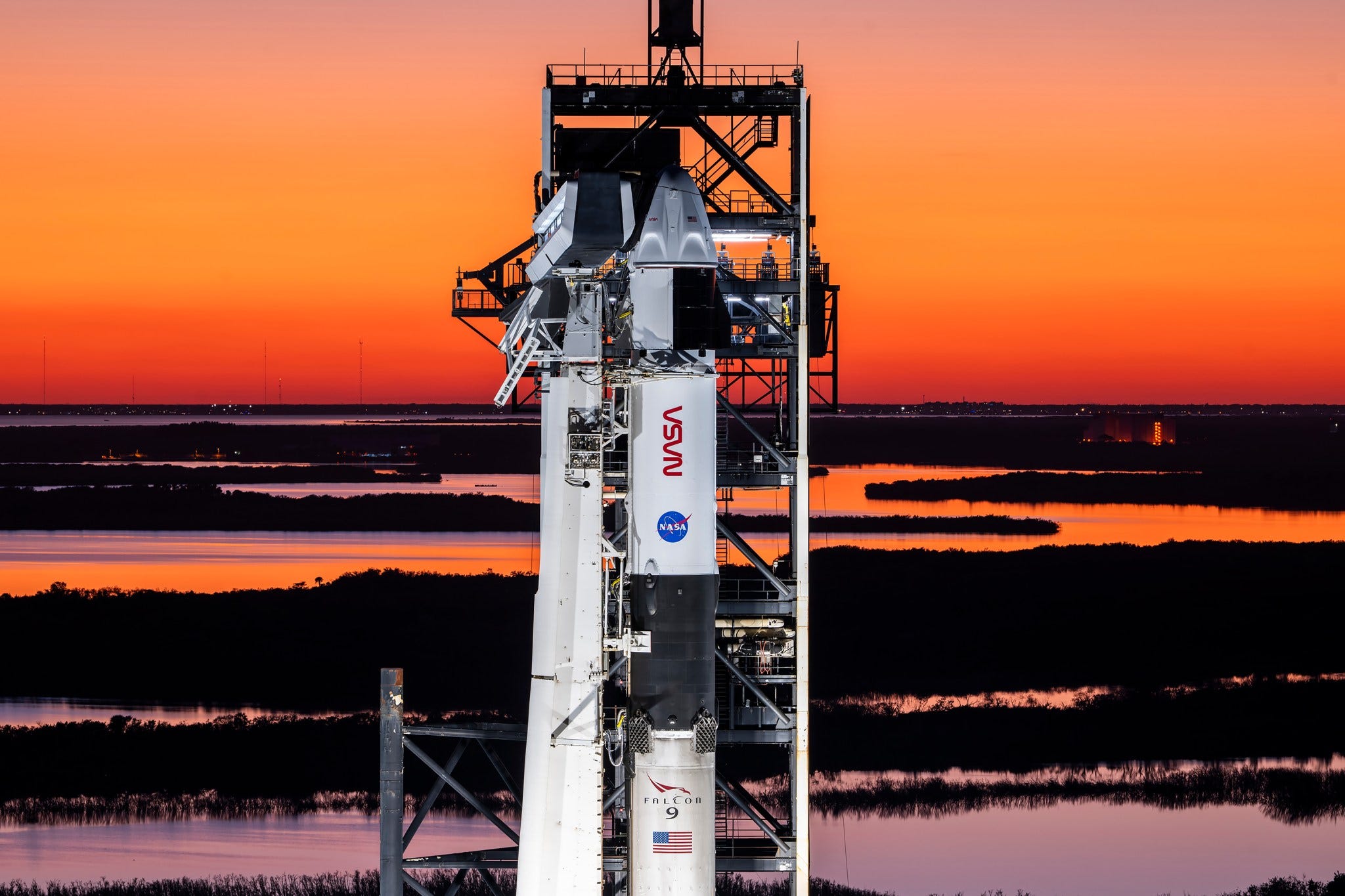
2025 — Several companies (SpaceX, Blue Origin) push into commercial space travel and suborbital flight, while NASA and private firms explore supersonic passenger jets and electric/hybrid aircraft for the future.



From the Wright brothers to a 3-hour cross-country trip in 230 years. Perspective hits different on July 4th.