


For Eka Devi Mainali, these were supposed to be the busiest weeks of the year, spent outfitting clients for the trail to Everest Base Camp. Instead, Ms. Mainali, who founded a women-led trekking company called SheGuide Treks, has spent them speaking for the families of 19 friends from the trekking community who have not been found.
They are among roughly 5,700 people still missing after a slab of ice and rock broke from a glacier near Langtang Lirung on the morning of Aug. 26 and fell nearly 4,000 feet, sending a torrent of water and boulders down the Bhote Koshi and Trishuli rivers. The flood erased the Rasuwagadhi border post with Tibet and tore through Syabrubesi and Dhunche, the towns where hikers begin the Langtang and Gosaikunda treks. More than 1,450 people have died, making it Nepal’s deadliest disaster since the 2015 earthquake.
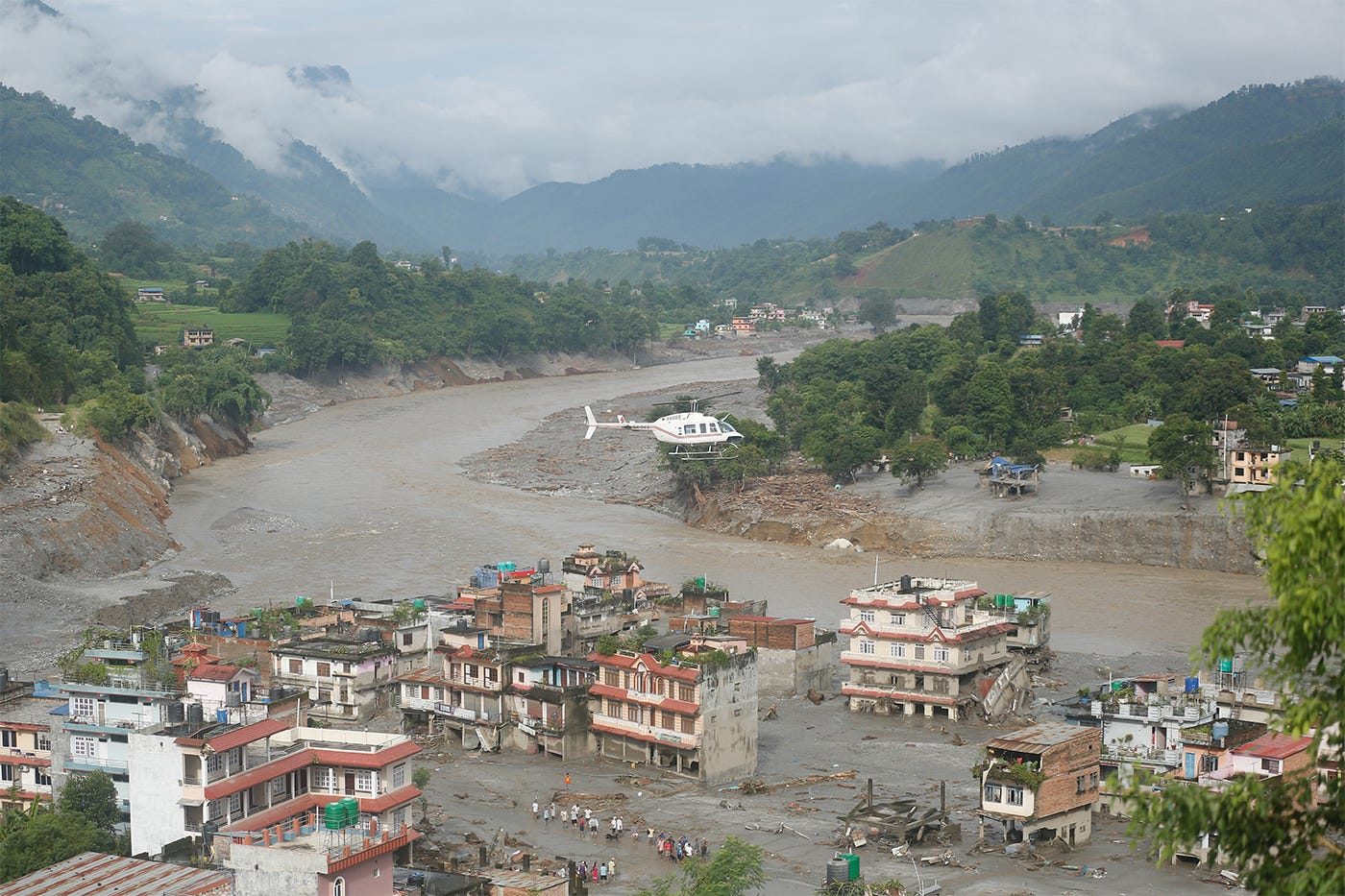
Now the country’s tourism industry, which supports more than a million jobs, faces a second blow: travelers who are staying away from places the water never reached.
Within a week of the flood, about a fifth of the autumn bookings at the Dom Himalaya Hotel in Kathmandu’s Thamel district had been canceled, its managing director, Mandip Giri, told The Kathmandu Post. The September-to-November season brings in nearly 40% of Nepal’s foreign visitors.
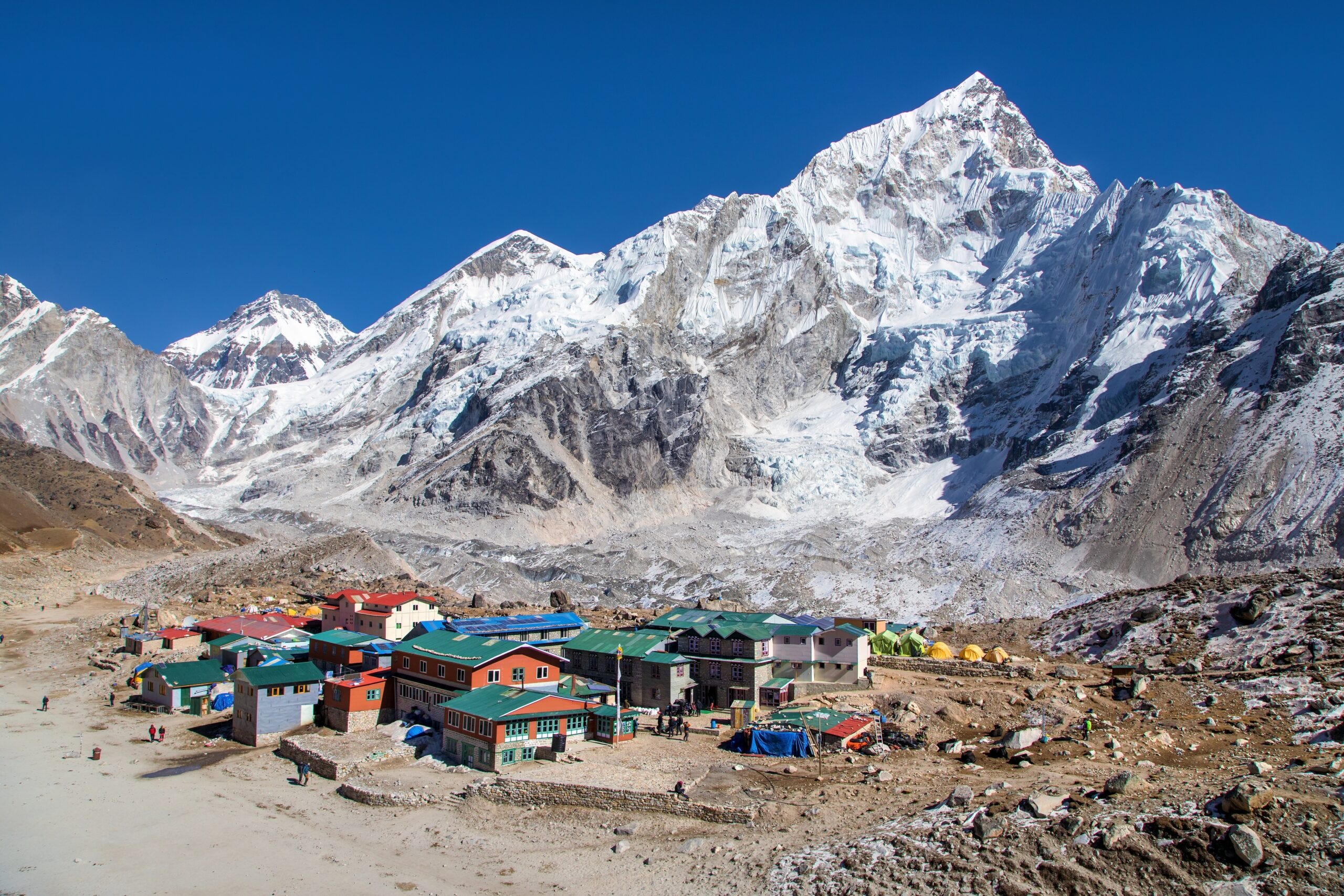
Only the trekking routes that depend on the road through Syabrubesi are closed. Everest, the Annapurnas, Manaslu, Mustang, Pokhara and Chitwan sit in separate river systems and were untouched.
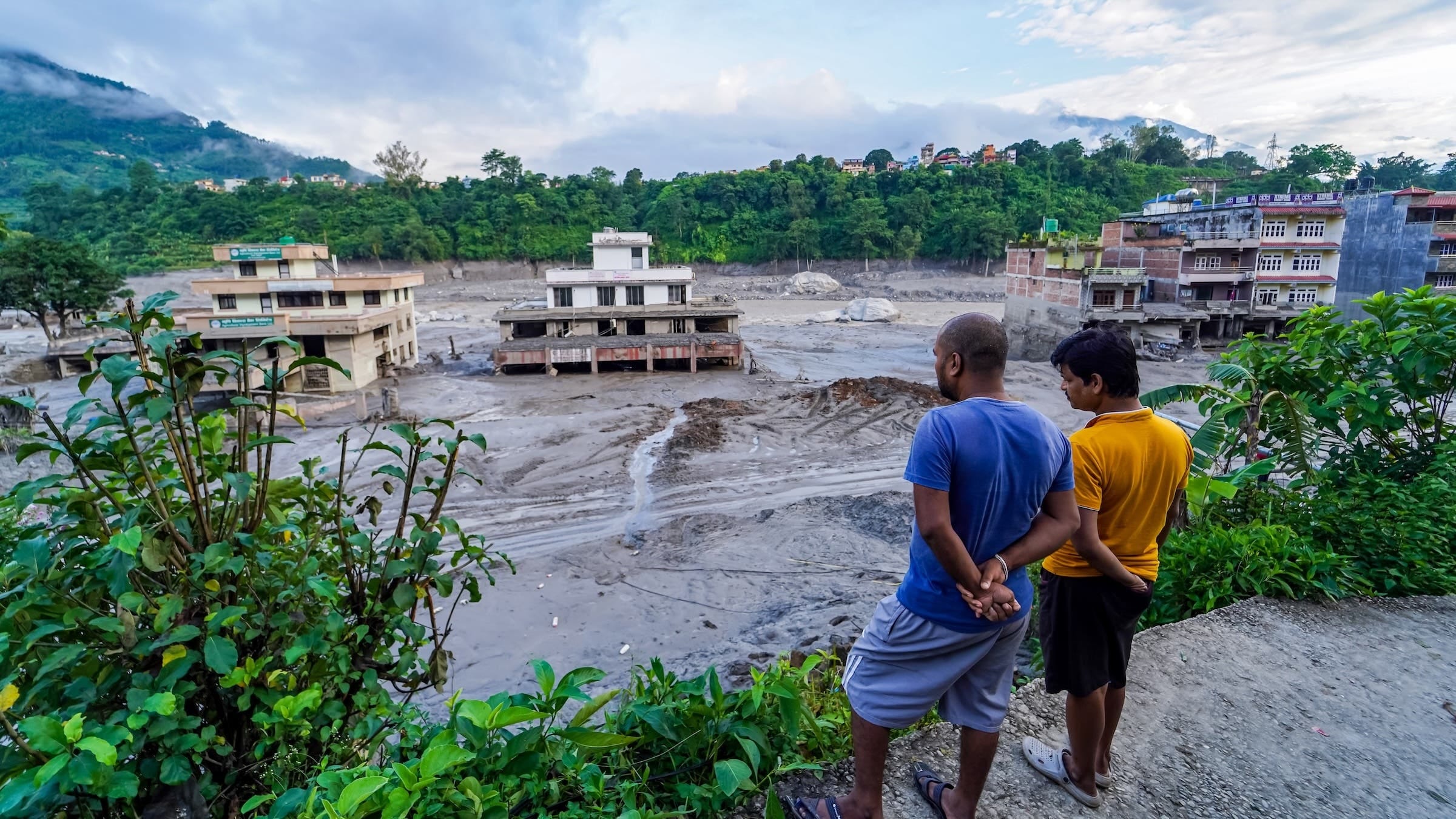
“Except Rasuwa, the rest of Nepal is intact,” said Sagar Pandey, the president of the Trekking Agencies’ Association of Nepal, which counts 118 guides and trail workers among the missing.
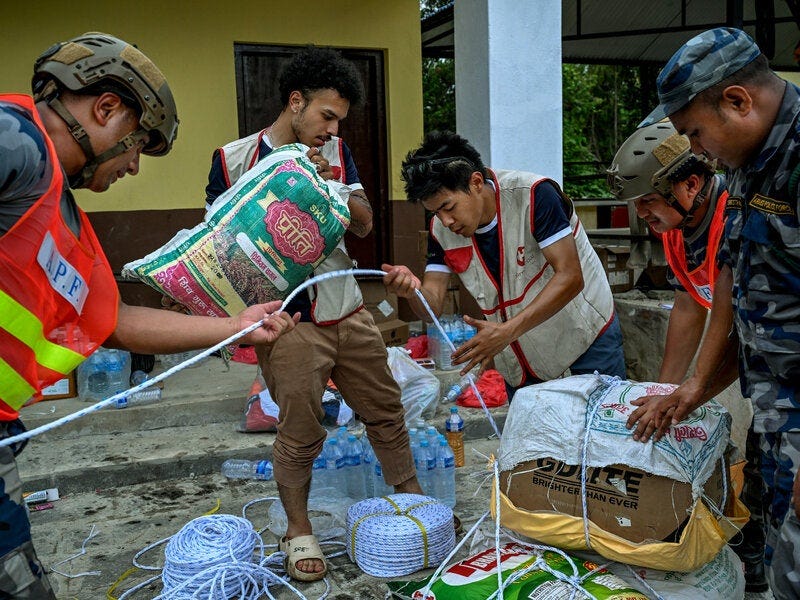
The industry has also become part of the relief effort. Guides, cooks and porters joined search teams in the first days after the flood, and helicopter companies that usually ferry trekkers stood by for evacuations. Tour operators including Intrepid Travel say they are supporting host families along routes that pass through the disaster zone.
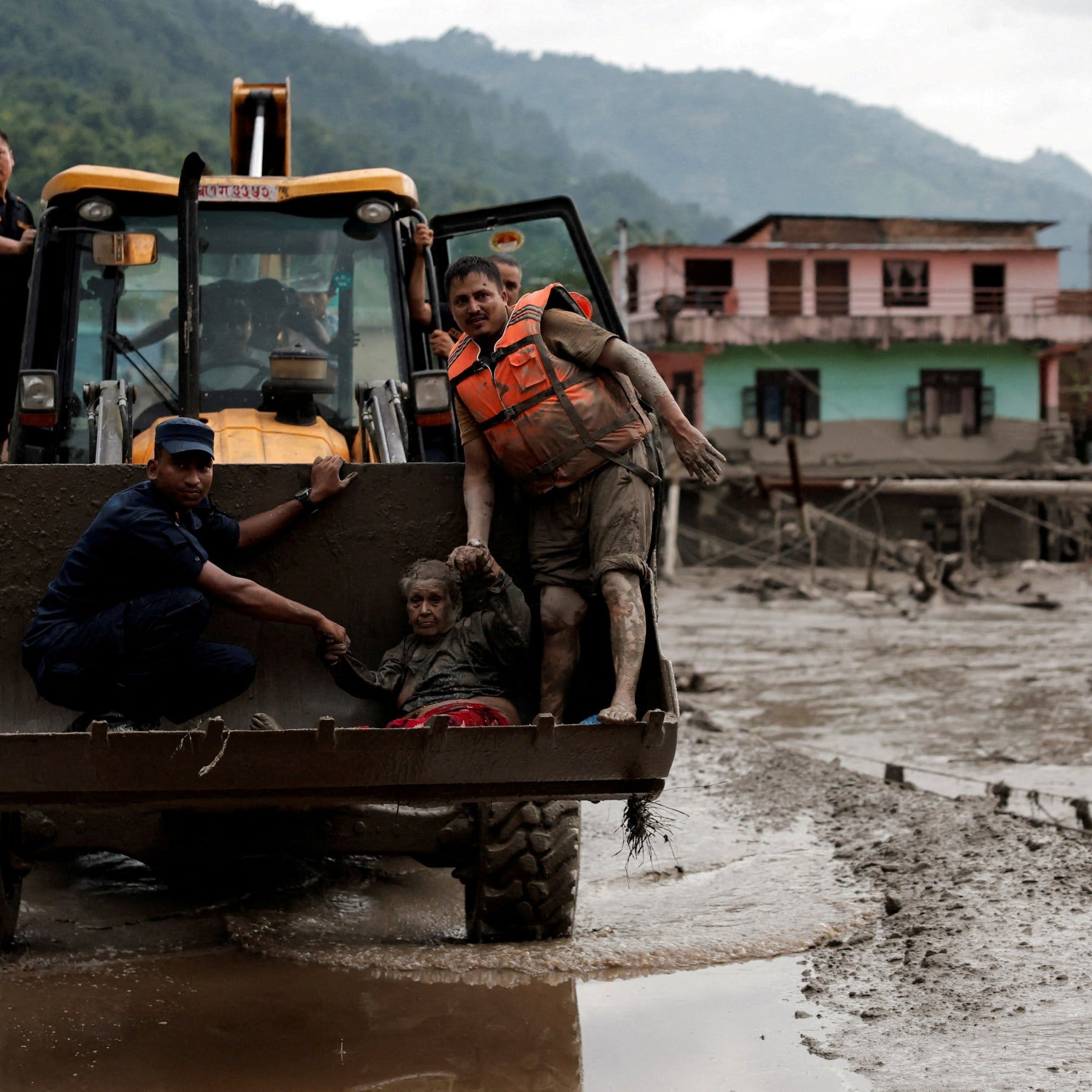
Operators and aid workers say travelers can help most by keeping their plans. Those booked in Langtang are being moved to other regions or to spring, which keeps their deposits in Nepal. Visitors are urged to hire Nepali-owned agencies and licensed guides, to tip generously and to give through established channels such as the government’s disaster relief fund, UNICEF or the Nepal Red Cross.
What they should not do, operators say, is visit the flood zone, where relief convoys still need the road and crews are installing temporary Bailey bridges to reconnect Syabrubesi.
Nepal’s tourism minister, Khadak Raj Paudel, has urged travelers not to cancel, describing a visit this season as a way to support a grieving country rather than simply a holiday.
“This is not simply a natural disaster,” Ms. Mainali said, as she sorted through donated children’s clothing in her Kathmandu office.
Visit She Guides Trek for support relief efforts. Trek with Purpose!
Global Giving : Nepal Relief & Support