
Sponsored by 3137 Capital
Good morning. A ground stop…a ground stop for what!!!

Be First —
Every airline chief executive I’ve listened to has the same ambition: own the customer and stop paying someone else for the introduction. United has now applied that logic to AI. Several have reported that United will restrict “unauthorized, third-party personal AI agents or assistants” from booking on its own website and app, and through the online travel agencies and aggregators that sell its seats. That makes it the first U.S. airline to say so explicitly.
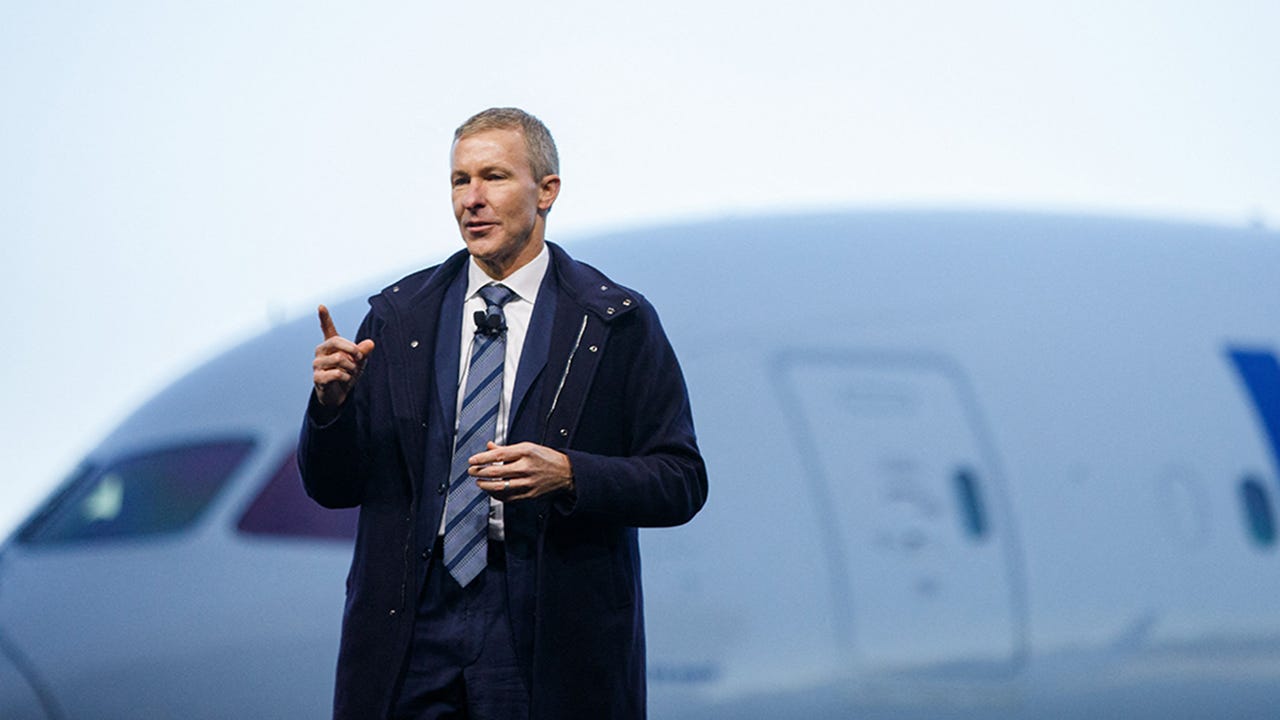
The official reasons are about safety and regulation. Customers who give their logins to an AI agent risk exposing their data. An agent could make purchases, account changes or MileagePlus redemptions the customer didn’t intend. And automated bookings may not fit Federal Aviation Administration and Department of Transportation rules, such as the check-in step where a person has to confirm their bag doesn’t contain explosives, a declaration I’d rather not delegate to a chatbot either. Those concerns are real, but I think the more revealing line is Scott Kirby’s, reported by the Wall Street Journal: “I don’t want to create another middleman.” Airlines spent the past decade moving bookings to their own channels to cut distribution costs and keep control of pricing, and they have no wish to hand that control to Meta, which, as we saw last month, has called travel a “top use case” for its Muse agent and wants “a percent of the value” it helps create.
First the industry isn’t united on this, though. OpenAI bought the AI travel agent Odessia this week, Southwest has launched a ChatGPT plug-in for flight search, and Delta’s Ed Bastian describes himself only as “cautious.” I’d read United’s move as protecting its margins dressed up as protecting its customers: the airline that has just told the market it can pass all of its fuel costs on to passengers wants to keep the pricing power that lets it. United says it will review the policy as AI assistants evolve, which I’d translate as: until they come with a commercial agreement attached. AI agents may well become a standard way to book travel, but airlines will decide whether that happens on their terms, and United has just said it won’t happen on anyone else’s.
Be Smarter —
For anyone who wants a single picture of how fragile U.S. air travel infrastructure is, I’d point to a newly installed router at a remote FAA facility in southern Arkansas. At 3:54pm Eastern on Friday, November 13, the FAA halted every departure from U.S. airports after a communications failure, first noticed in the Chicago area, spread to air traffic control centres across the country. The ground stop lasted a little over four hours, until 8:15pm, but the cost came afterwards. FlightAware counted 3.7K cancellations and more than 10K delays on Friday evening, and more than 4.5K further cancellations by Saturday afternoon as airlines tried to get aircraft and crews back to where they were supposed to be. The disruption reached Europe, where U.S.-bound departures were suspended, and Mexico and Canada. Amtrak’s booking site struggled with the overflow.
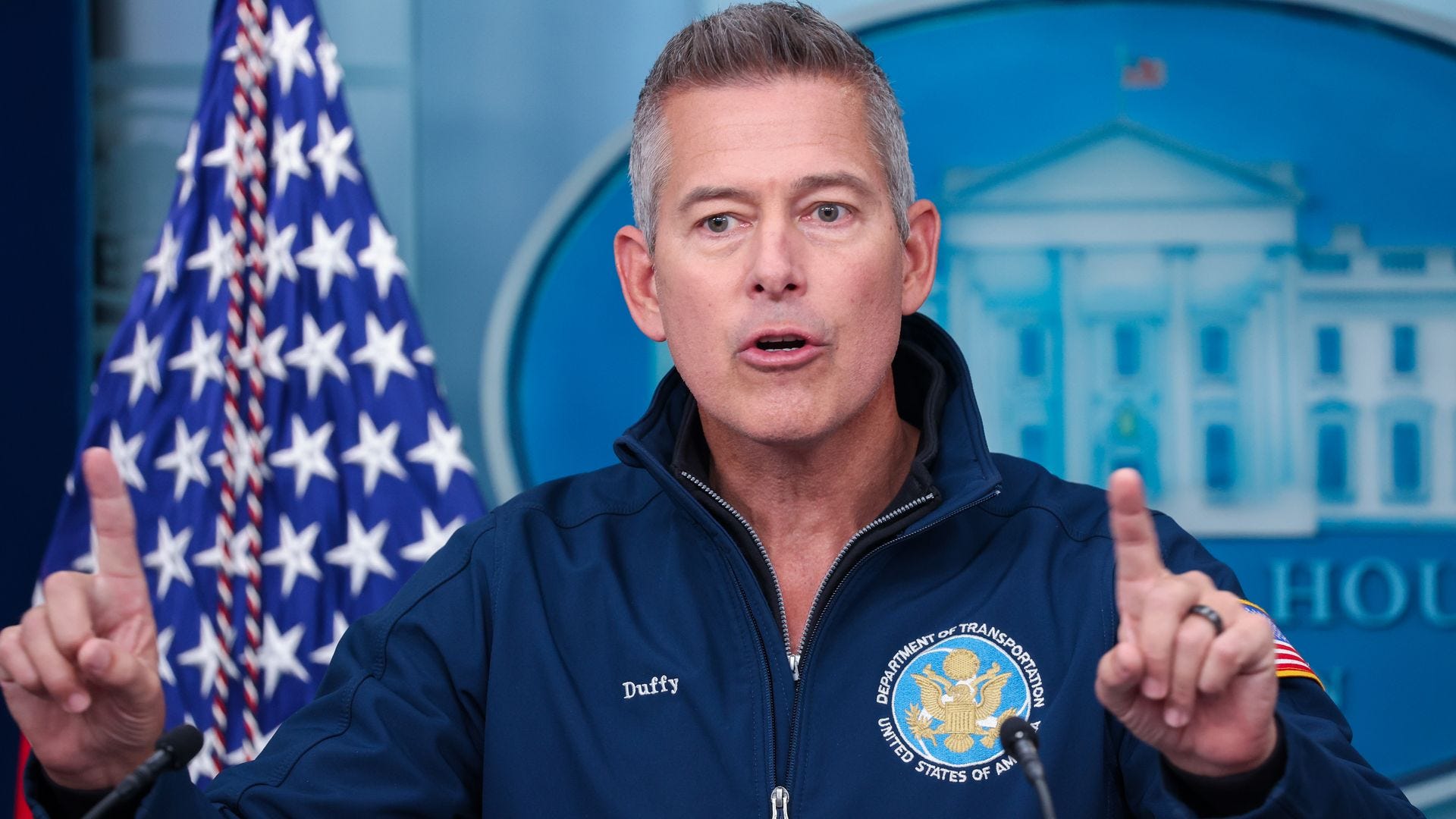
Transportation Secretary Sean Duffy blamed the router, installed by contractor L3Harris as part of a long-running move from copper wiring to fibre, which he said flooded the network with connection attempts until the old switches gave out. FAA Administrator Bryan Bedford said that didn’t fully explain the root cause, and Homeland Security Secretary Markwayne Mullin said there was no sign of a cyberattack. I’d note, without much pleasure, that the U.S. has taken about 25 years to get partway through a copper-to-fibre transition that Canada finished in roughly 18 months. For airlines, the costs are easy to list even if no one has added them up yet: refunds, rebooking, hotel vouchers, crew overtime and aircraft stuck in the wrong cities, plus a hit to customer confidence in the run-up to Thanksgiving. The political response came quickly. Duffy has asked Congress for $50B on top of the $12.5B already approved for modernizing air traffic control, while several Democrats have called for investigations and hearings.
The travel industry had already made air traffic control funding a priority for the new Congress, and this weekend put a price on waiting. With government funding due to run out on December 11, I suspect the next test will be whether lawmakers treat this as an emergency or simply add it to the list.
Rather foolish to fund it, not smart. Why? The amount it cost airlines hasn’t been published yet, so I’ve described the kinds of cost rather than putting a figure on them. Some of the counts are early tallies and may be revised.
Or Cheat —
Airports used to be content to collect landing fees and parking charges and leave the hotel business to hotel people. DFW has decided it would rather be the hotel people’s landlord. Hotel Dive reports that Dallas Fort Worth International Airport has bought the 811-room Hyatt Regency next to its terminals for $194M through its Public Facility Improvement Corporation, closing on October 30. By my arithmetic that’s about $239K a room, which is a reasonable price for an upper-upscale hotel with 92,000 square feet of meeting space and a captive supply of stranded travellers. The deal makes DFW the owner of all four hotels within the airport’s boundaries, and the largest single-property Hyatt owner in Texas by room count.
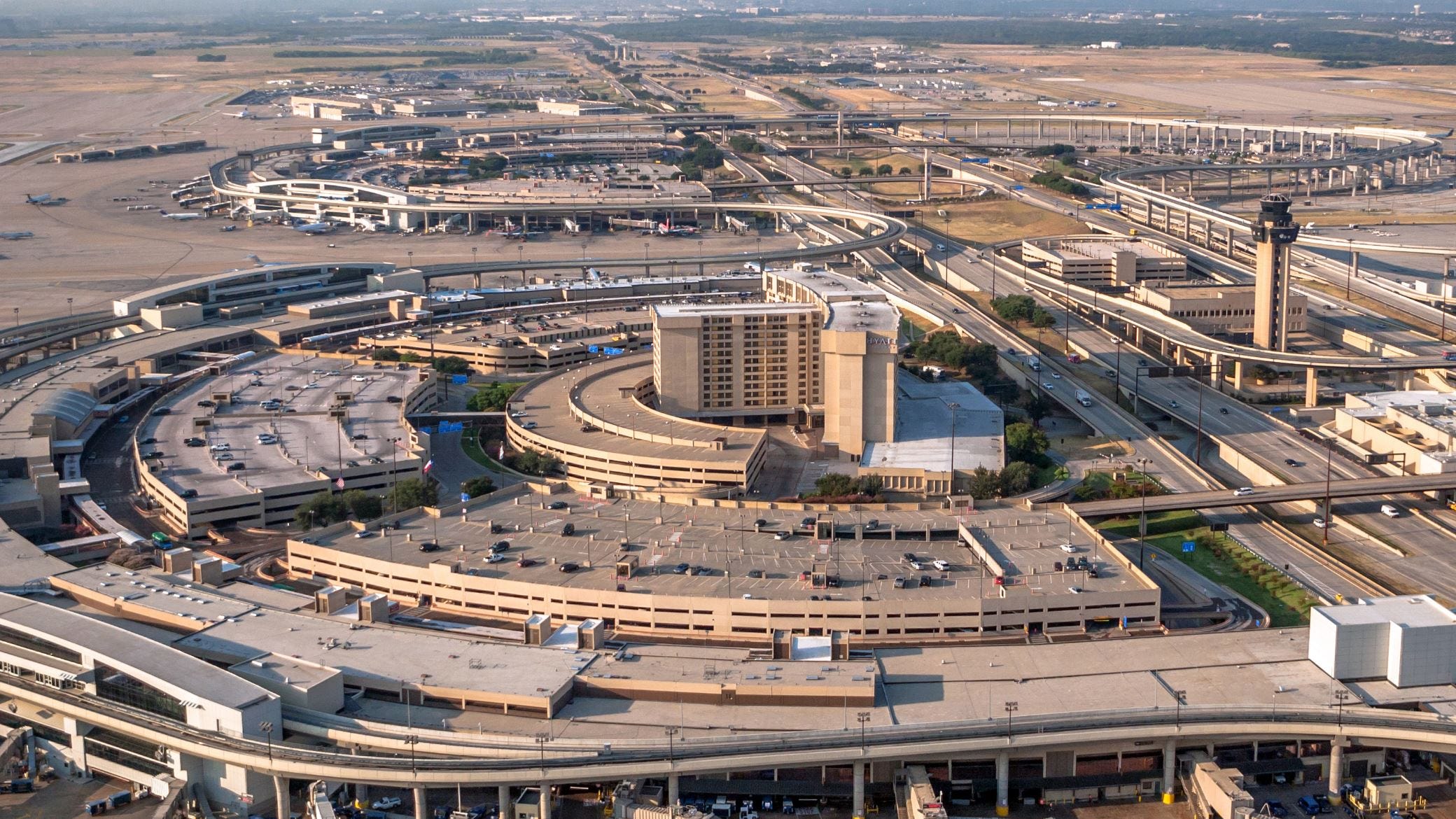
That’s an unusual line to find on an airport’s CV. Hyatt keeps managing the hotel under the existing agreement, and DFW plans a renovation, though it hasn’t said how much it will cost or when. The seller wasn’t named. Chief executive Chris McLaughlin describes the purchase as aligning “an iconic airport asset” with the airport’s long-term vision, and I’d translate that into plainer financial language: airports want more income that doesn’t depend on airlines, and a hotel full of delayed passengers is about as dependable a source of that as exists. As last weekend’s ground stop showed, a disrupted night at a hub airport can fill every bed within shuttle distance. The deal also flips the arrangement we’ve been discussing all autumn. Brands like Hyatt collect fees while owners carry the labour, insurance and renovation bills, and here the owner is a public airport authority with a $12B capital program under way and a cost of capital most private hotel investors would envy.
This is the asset-light model working as designed, with someone else’s balance sheet and Hyatt’s name on the door. For the airport, I’d watch whether hotel ownership stays a profitable side business or turns into another capital project competing with gates and runways for the same money.
Let’s hope all the tech upgrades are on pause for the week. ✊🏾 Margin Call is issued weekly on Tuesdays, found only on Pay Me in Plane Tickets!