
Sponsored by 3137 Capital
Good morning. Despite Margin Call’s Tuesday release, I hope you all enjoyed a restful Indigenous Peoples Day!
Be First —
I’ll admit my first instinct with any consumer boycott is to bet against it. Outrage is cheap, a holiday is expensive, and a discount usually settles the argument. That’s why I found Justin Trudeau’s remarks at the World Travel & Tourism Council’s Global Summit in Malta last Friday more interesting than the usual conference fare. The former Canadian prime minister argued that disrespect and a lack of welcome, not price or scenery, are what is keeping Canadians away from the U.S. WTTC chief Gloria Guevara put a number on it: Canadian visits to the U.S. are down 22%.
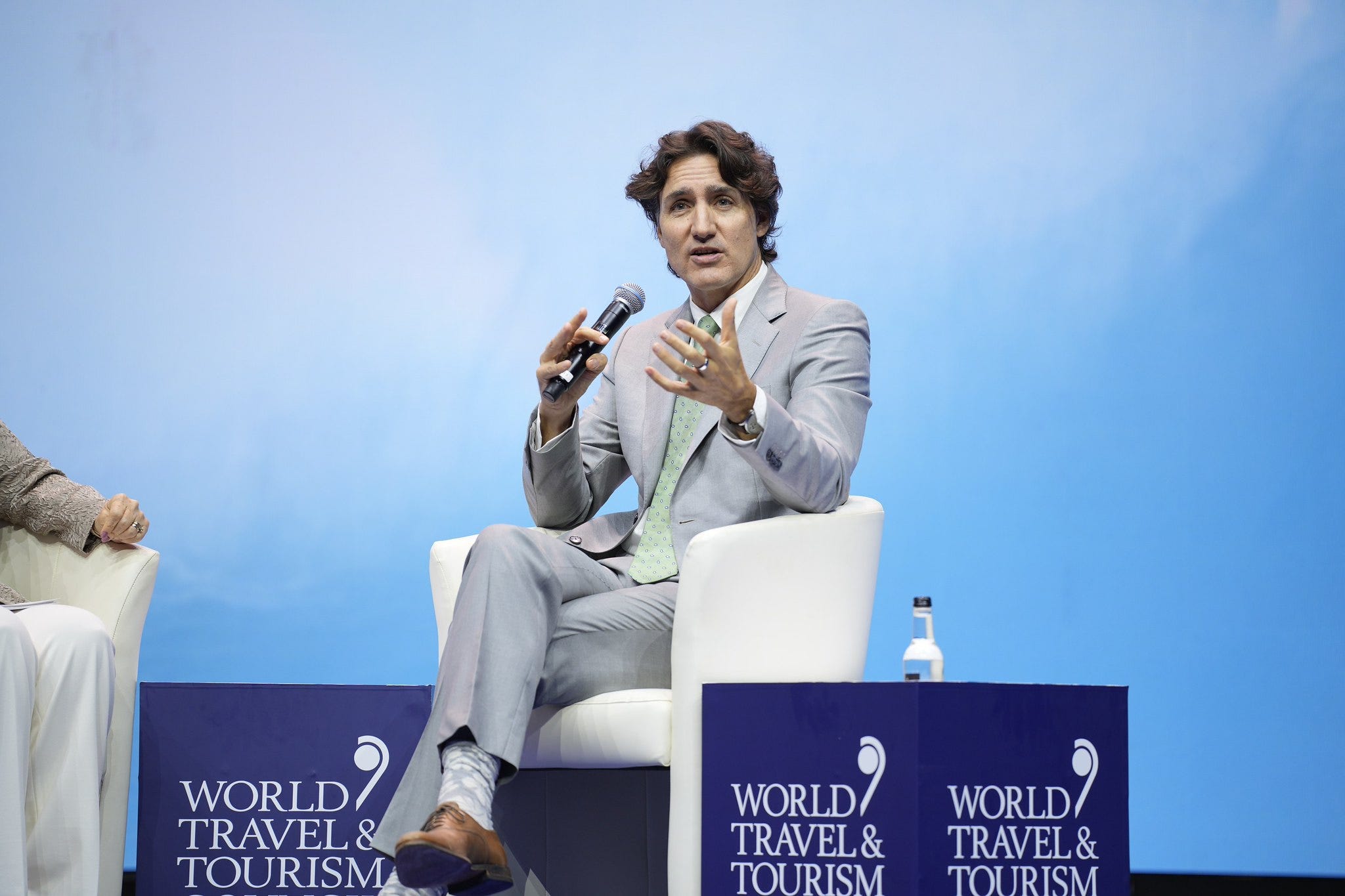
For those of us who watch revenue rather than politics, the striking part is Trudeau’s account of what happened next. Canada never imposed penalties or raised prices, he said. Canadians simply “stayed home”, and when U.S. airlines, hotels and tour operators cut prices to win them back, they still didn’t come. In plain terms, demand that should have responded to price didn’t. That is an unusually expensive lesson in how much a destination’s brand is worth, and it is one Florida, Arizona and Maine are learning the hard way as they court Canadians to return.
Trudeau’s wider point is one I would underline for anyone in this industry: governments take tourism for granted in a way they never would with a manufacturing or natural-resources strategy, even though it is an export business like any other. The other side, it should be said, is making its own case. Trump’s tourism envoy used the same summit to criticise travel boycotts. But the numbers matter more than the speeches here. If cheaper rooms can’t bring back a market that close and that loyal, the gap is not a pricing problem, and the industry shouldn’t expect a pricing fix to solve it.
Be Smarter —
The windy city is on strike.
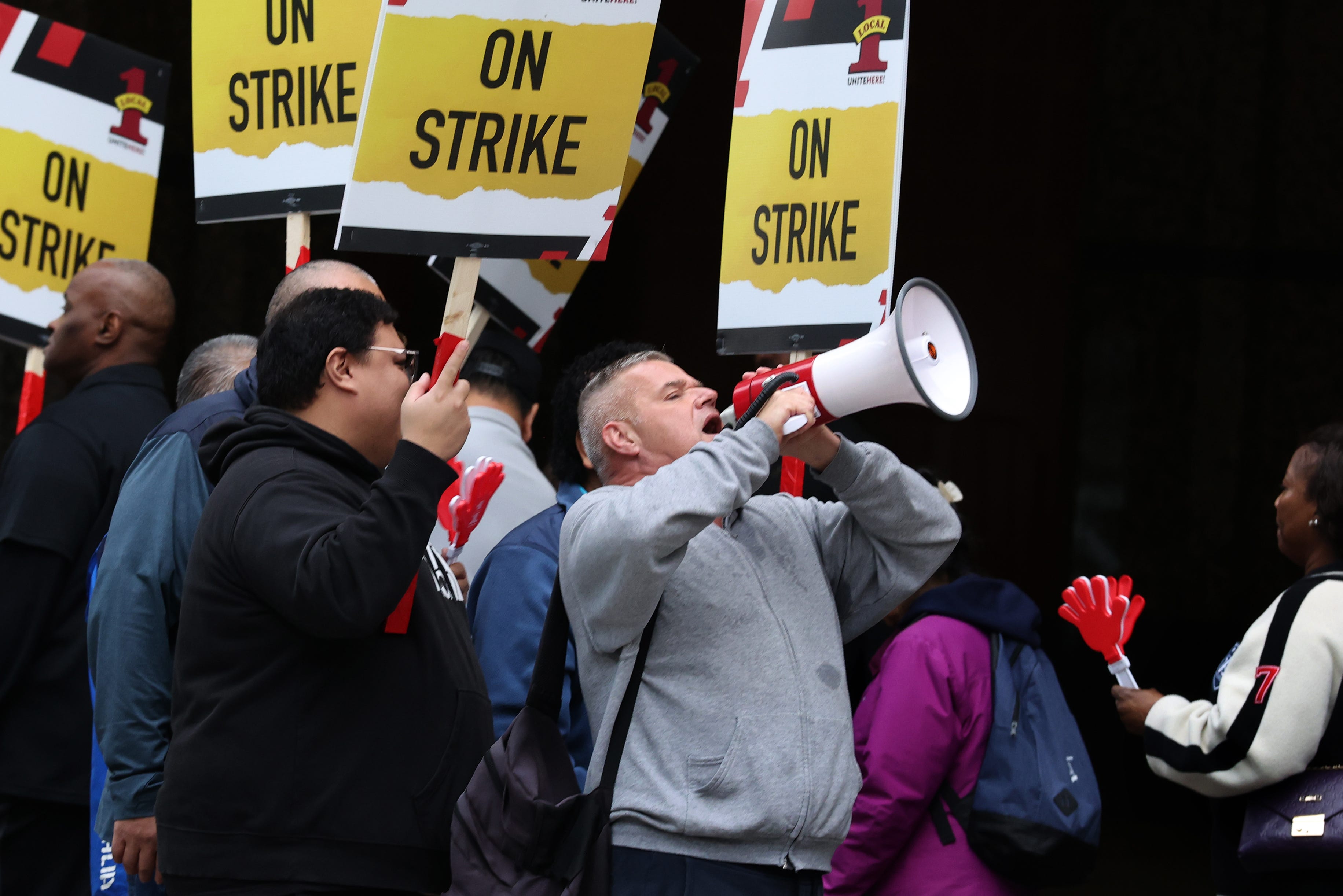
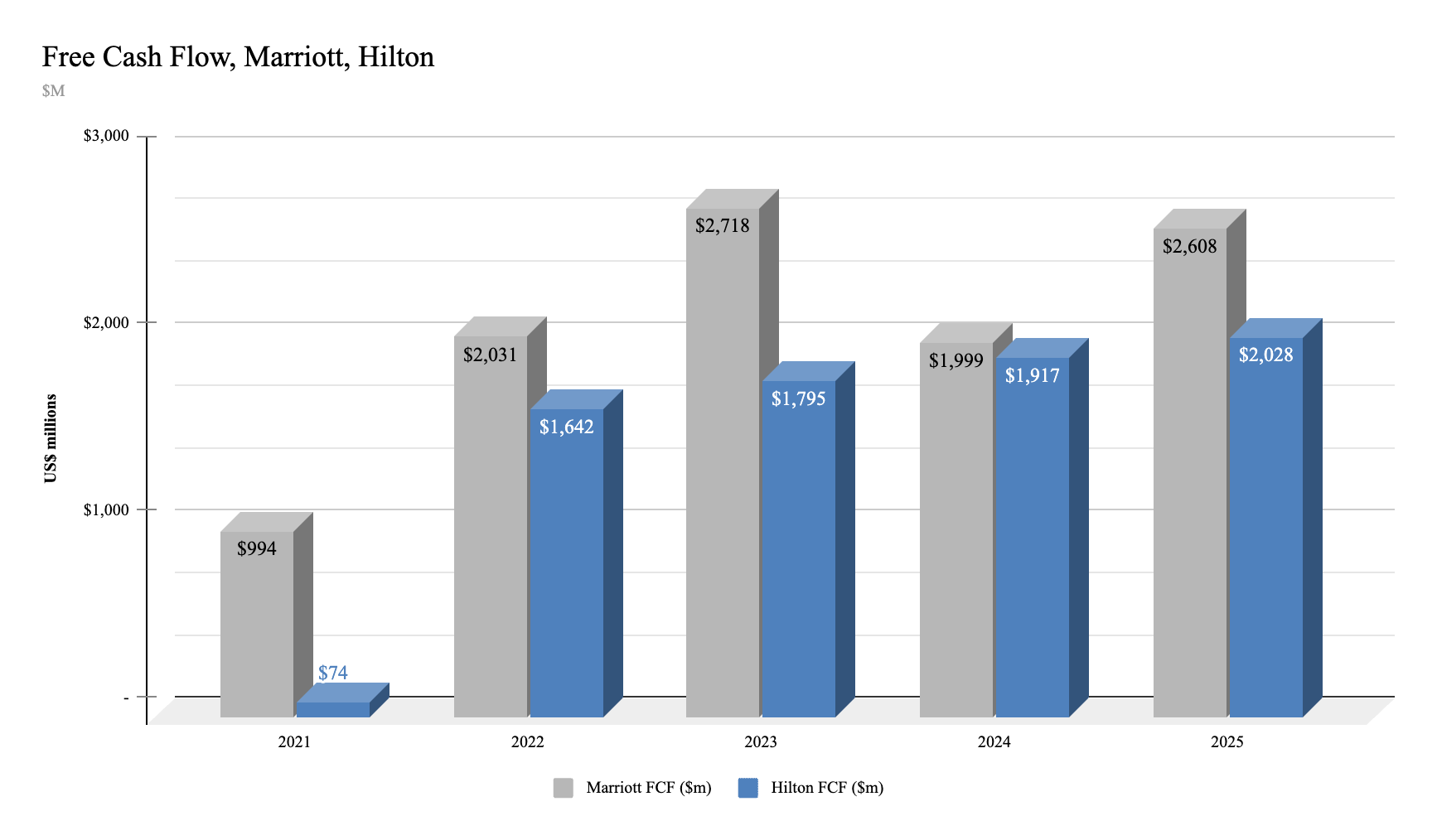
Chicago hotel strike is not the picket lines but where the money sits. Two days before the Chicago Marathon, hundreds of Unite Here Local 1 members walked out of six downtown hotels: three Marriott-branded, two Hilton-branded and the Millennium Knickerbocker. On paper, the threat is much larger. More than 7,000 workers at 46 hotels authorized a strike, contracts expired at 44 of them on August 31, and local union president Karen Kent says the rest could walk out at any moment. The union’s argument is that there is “enough money in this system,” and it points to the $22.3B it estimates Marriott, Hilton and Hyatt returned to shareholders over three years. That is where I would push back a little, as an accounting point rather than a political one. Those buybacks are funded by the brands’ fee income, while the wage bill falls on the owners and operators, and their economics look far less comfortable. Labour was just over half of U.S. hotel operating expenses in 2023, according to CBRE, and U.S. hotel earnings before interest, tax, depreciation and amortization fell 2.4% in 2024 and 4.3% in 2025.
In other words, the companies with the cash are not the ones paying the payroll. The sticking point is also not mainly wages. Hence, why I track free cash flow ‘cause some say it’s smart, and ‘cause “show me the money!”.
It seems the hotels says talks have stalled on a clause that would automatically extend union representation to a company’s other hotels in Illinois, Indiana, Wisconsin and Iowa, with economic terms barely discussed. That makes this a fight about how far the union’s reach extends, not a single pay round. For investors, it means any settlement in Chicago could set terms for hotels well beyond the city.
Or Cheat —
Every autumn the booking platforms publish their trend forecasts for the year ahead, and every autumn I read them the way I read a sell-side note from the bank underwriting the deal: with interest, and with a firm grip on my wallet. Skyscanner’s 2027 list, reported by TravelPulse, offers seven trends and no sample size, so treat the percentages as vibes with decimal points. Some are more branding exercise than market shift: “Sound Bound” jazz-club pilgrimages, joint bachelor-bachelorette “Together Trips,” and “Merch Tourism,” in which 23% of travellers say a hotel-branded robe is the souvenir they’re proudest of, which suggests the hotel gift shop has quietly become the best-performing asset on the property. The trend worth a hedge-fund analyst’s attention is “Currency Chasers.” Skyscanner says 41% of Americans have switched destinations because of the exchange rate, including 72% of Gen Z, which means the youngest travelers now watch FX markets more closely than some treasurers. “Gym-cations” fits the wellness story, too: 66% say a nutritious breakfast makes them likelier to book, a cheaper fix than redesigning rooms around sleep, and frankly the only capex plan in this industry that involves chia pudding. The list closes with “Signal Severance,” travelers going off-grid to disconnect, a bold forecast for a company that earns its living when people open an app. My takeaway: watch the currency data, and take these cheat hashtags with the overnight oats.
Again, happy post Indigenous Peoples Day! ✊🏾 Margin Call is issued weekly on Tuesdays, found only on Pay Me in Plane Tickets!