
Sponsored by 3137 Capital
Good morning. Warsh stood up. Starlink is making progress. LA28 is moving in the right direction. Let’s get into this moment.
Be First —
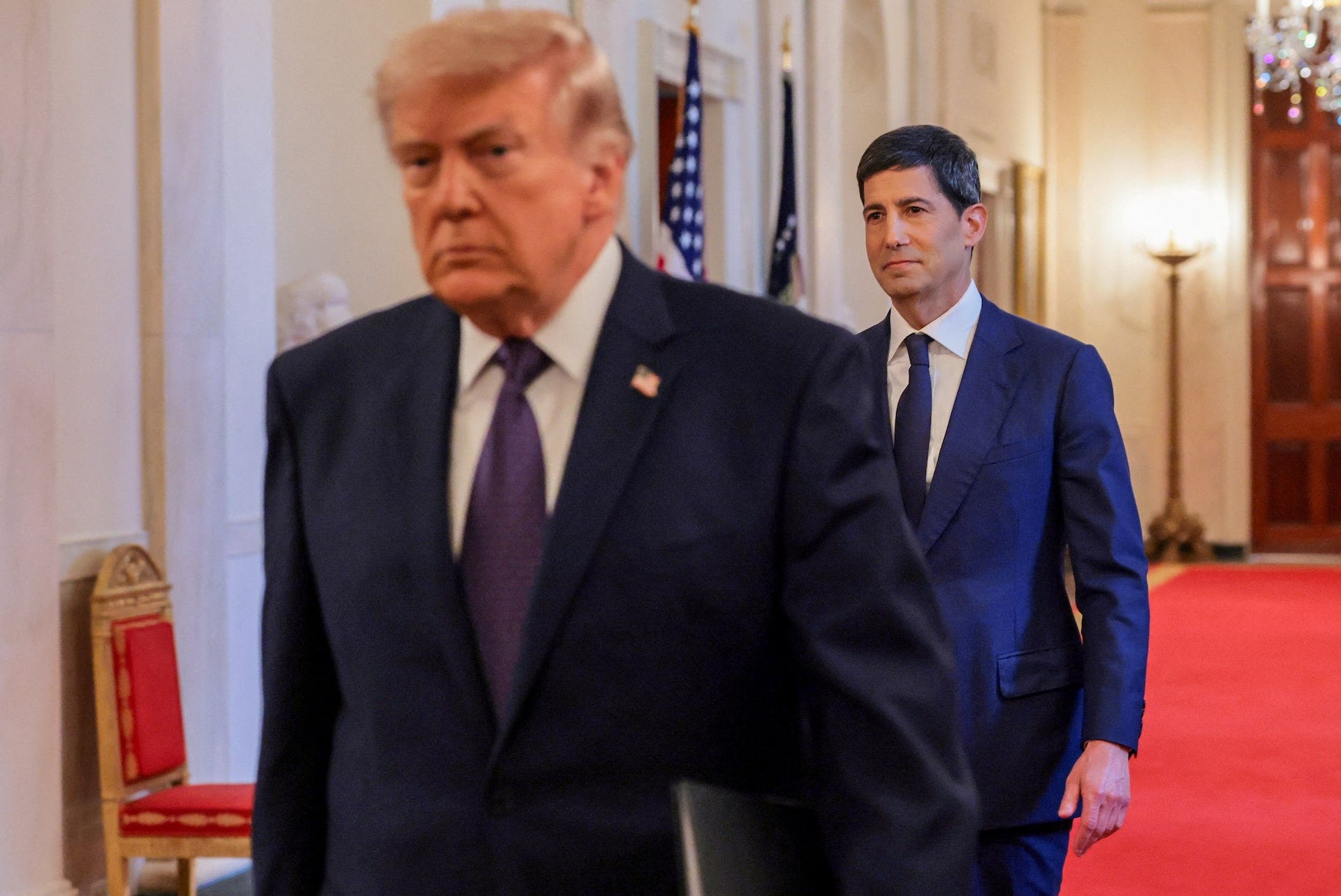
We have to begin with the Fed decision to raise the FED interest rate this past Wednesday. Shocking, I know, this was a first for me. Many, including myself, were distressed that Kevin Warsh would be lower rates to simply appease this administration, free from attack.
Trump picked him in January largely on the expectation that he would cut them.
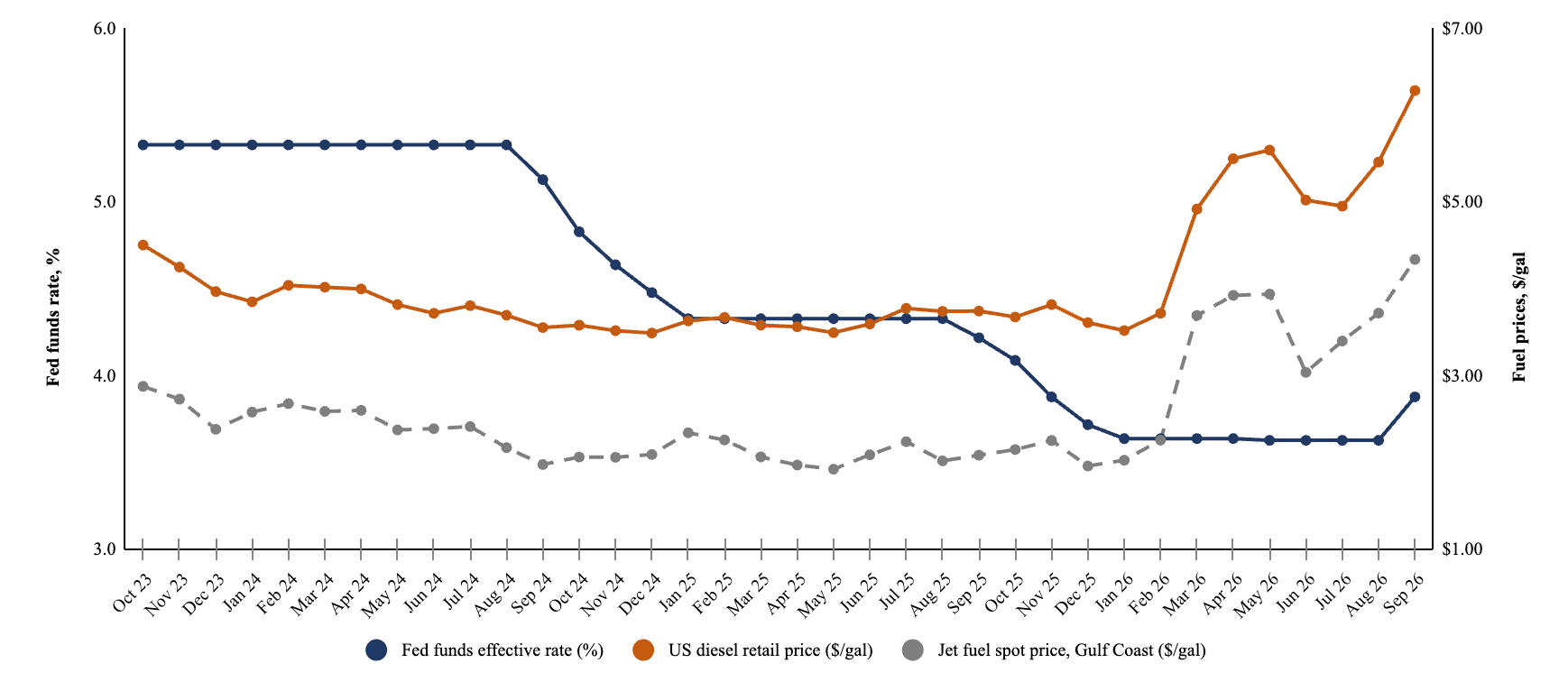
Yet the Fed voted unanimously last Wednesday to raise rates by a quarter point, to a range of 3.75%-4%, first increase since 2023. The reason wasn’t hard to find. Consumer price inflation (CPI) was 2.4% in January, but those pesky crude prices, driven largely by the Iran war, pushed it to a three-year high of 4.2% in May, and it was still 3.4% in August.
A central bank that had waited for inflation to fade by itself would now be waiting rather a long time. One could quibble over whether a quarter point does much against an oil shock, which is a supply problem that interest rates only indirectly address.
But the point of the move is as much about credibility as arithmetic. A new chair with a dovish reputation, facing a president who wants the lowest rates in the world, had to show that he means what he says about price stability. In addition, that the vote was unanimous suggests the committee did not find this a close call.
On a previous Margin Call, we discussed why these rates are concering for the sector. The TLDR is America is built on debt. Airlines, cruise lines, and hotel groups to be sector specific are capital intensive and carry loads of debt.
But inflation has been doing more damage than the Fed predicted. Diesel hit a record $6.40 a gallon last week, and crude has been above $100 a barrel. Jet fuel is not diesel, but the two are close cousins, and fuel is among the largest costs an airline has. Meanwhile, a household whose fuel and grocery bills keep climbing will cut the holiday before it cuts the commute, and travel is the classic discretionary line item. Persistent inflation also tends to make rates go higher and stay there longer, which would be worse for a capital-heavy sector than one modest hike now. There is a real cost: a stronger dollar, if it comes, makes the US pricier for foreign visitors, and financing gets a bit harder. And the Fed can do nothing about the oil price itself, which depends on events in the Gulf. But if the choice is between a small dose of tightening now and a long stretch of inflation eating into travellers’ budgets, the industry should probably take the former.
Did Warsh just stand up to the administration? Will the real Warsh stand up? Find out on the next episode of Federal Reserve-Z.
Be Smarter —
There was a time when in-flight Wi-Fi meant paying $10 for the privilege of watching a loading bar, and airlines could shrug when it failed. No longer. Starlink has gone from a nice extra to something closer to a boarding requirement, with Alaska, Hawaiian, United, Southwest, American and Frontier signed up, while Delta and JetBlue have placed their bets on Amazon’s rival Leo. Some flyers have mentioned to me that they would rather skip an airline than fly one without it. So this still remains a smart investment, right? I only ask because the bill is hefty. Industry estimates put installation at roughly $500,000 per single-aisle jet, plus around $180,000 a year in fees, and widebodies cost more. Just the annual fees on United’s 141 older 737-800s come to about $25 million, which is a lot of money to spend so passengers can stay on Slack at 35,000 feet.
The rollout has been a bit sluggish. United has fitted about a third of its fleet and needs roughly 110 installs a month to hit its 1,000-aircraft target by year-end, and Southwest, which only launched in June, is at 1%. Alaska, meanwhile, is running ahead of schedule. I came across this application that tracks Starlink’s installation progress.
The bet is that connected passengers book more and complain less. The unanswered question is who ultimately pays for it: airlines, ad-funded free Wi-Fi, or the passenger.

Or Cheat —
I’ll start with the headline number, because everyone else will: $40 billion for the LA28 Games. But I’d note that this is the top of a range. The study from the LA County Economic Development Corporation and LA28 puts the economic impact anywhere between $20.5 billion and $40.6 billion, and jobs supported between 126,000 and 224,000. When your best case is double your worst case, I’d call that a forecast with a wide margin of doubt. The travel-relevant numbers deserve more attention than the headline. The organisers expect about two million visitors, spending $1.6 billion to $4.3 billion in Los Angeles County. That works out to somewhere between $800 and $2,150 a head, and the gap between those two figures is the difference between a good Games for hotels and a mediocre one.
I find the “no-build” approach the most encouraging part, worthy of useful cheat. Using existing venues means most of the $8.35 billion in capital spending goes to roads, transit and airports, which visitors will use and residents will keep, rather than to stadiums that end up as expensive lawn ornaments, a familiar Olympic outcome. It also means the risk is less about overbuilding and more about whether LAX and the freeways cope in the summer of 2028. Hoteliers and airlines, I think, can take the projections as a reason to plan capacity now, but not yet as a reason to book the champagne. Games forecasts have a habit of arriving a little optimistic and departing a little disappointed. The early hospitality packages already on sale suggest at least some demand is real.

Let’s conquer this week. ✊🏾 Margin Call is issued weekly on Tuesdays, found only on Pay Me in Plane Tickets!