
Sponsored by 3137 Capital
Good morning. Glad to be back this week on the grind. Feels good, lets get into it.
Be First —
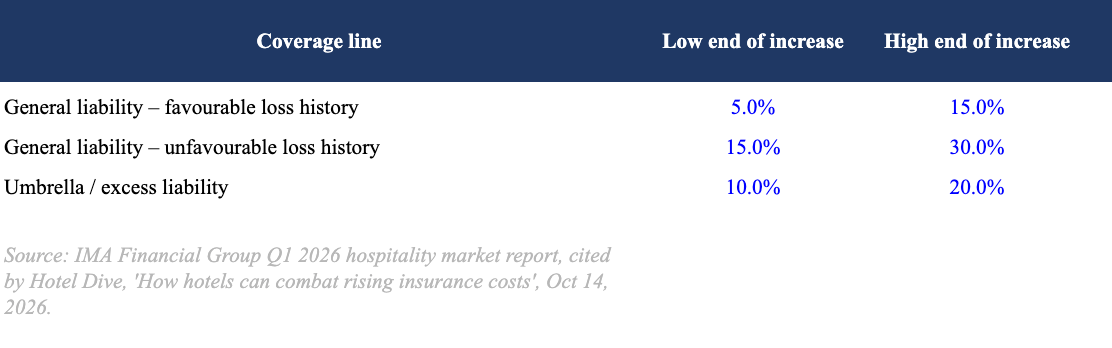
Off the rip, hotel owners have plenty to worry about, from labour to interest rates, but the cost I’d watch most closely right now is the one most guests never think about: insurance. A Hotel Dive report this week puts numbers on it. In an American Hotel & Lodging Association survey in March, 43% of owners named insurance premiums among their biggest financial pressures. General liability rates rose 5% to 15% between the fourth quarter of 2025 and the first quarter of 2026 for hotels with good claims records, and 15% to 30% for those without, according to broker IMA Financial Group. The cause isn’t hurricanes so much as courtrooms. “Nuclear verdicts”, jury awards above $10m, doubled nationally from 2023 to 2024, with total awards rising from $14.5B to more than $31B. Slip-and-fall claims that used to settle for around $100,000 are now arriving at $5M to $10M. At the same time, supply is shrinking: the pool of insurers writing hotel cover has fallen from about 25 five years ago to about 10, and only three are realistic options for owners. Fewer sellers facing more expensive claims is not a market that tends to cut prices.
Hub International’s Paul DiBenedetto calls the casualty market “probably the toughest it’s ever been”. The fixes on offer are unglamorous but sensible: documented annual staff training, a specialist broker who can spot hidden exclusions, complete loss histories and face-to-face meetings with underwriters.
One to detail first, is that some carriers won’t even look at a property rated below 3.5 stars on Tripadvisor, so the guest who complains about the breakfast may now be setting your premium. For investors, the important point is that insurance has stopped being a line you renew each year without thinking and become a real drag on margins at hotels whose earnings, as we saw in Chicago, are already falling. Large franchise systems such as Wyndham, with roughly 9,000 hotels, can use their scale to negotiate better terms. Smaller independent owners mostly get to pay the higher price.
Be Smarter —
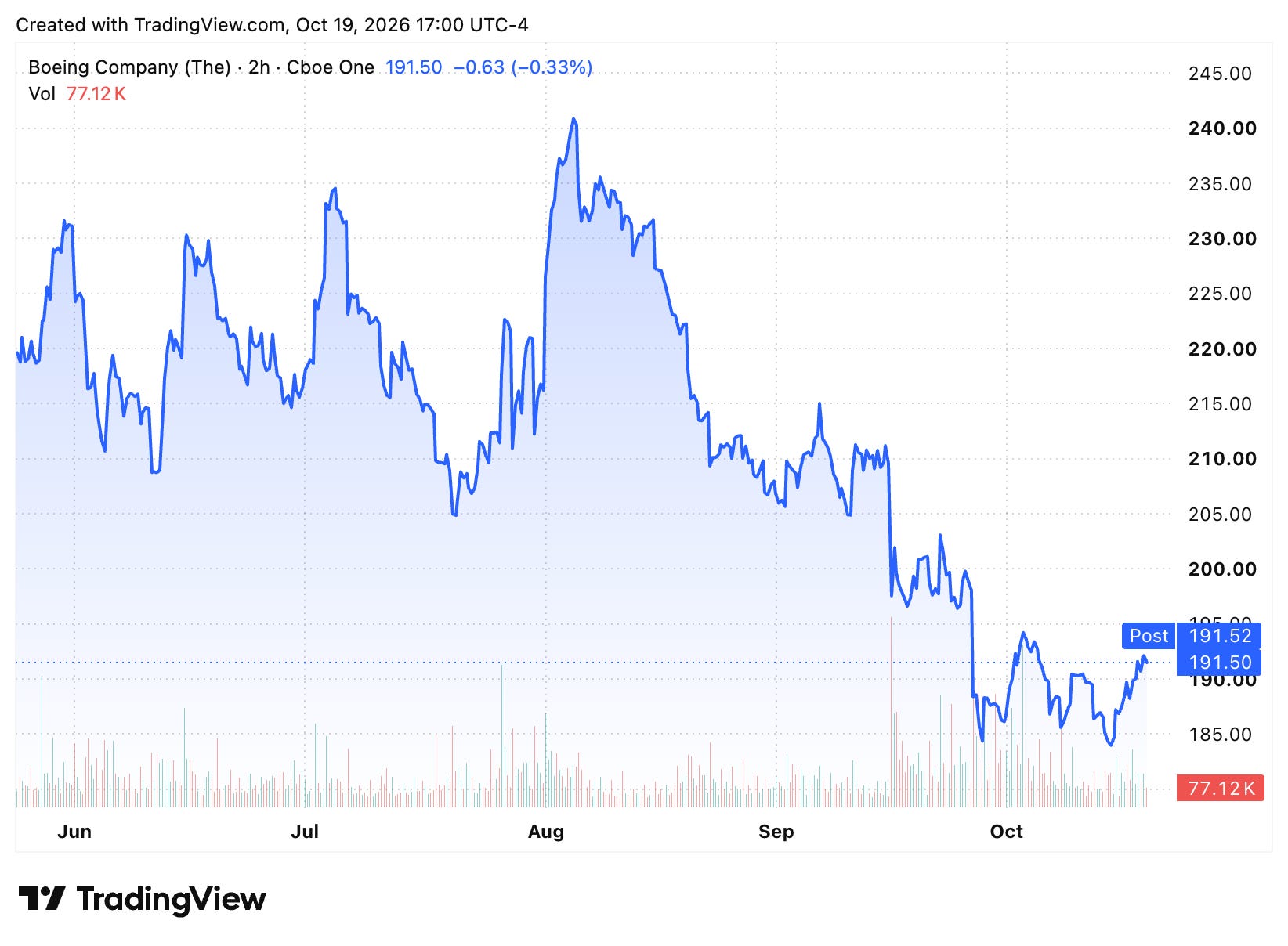
For a company whose recent history has mostly been measured in hearings, it’s almost refreshing to talk about Boeing in terms of plain old units. The plane maker delivered 57 jets in September, its best month of 2026, up from 51 in August. That brings third-quarter deliveries to 161 and the year-to-date total to 475, according to Reuters. Which for one, good news. For aircraft manufacturers, deliveries are what count, since airlines pay most of the price when the plane is handed over, not when it’s ordered. Smart, wouldn’t you say?
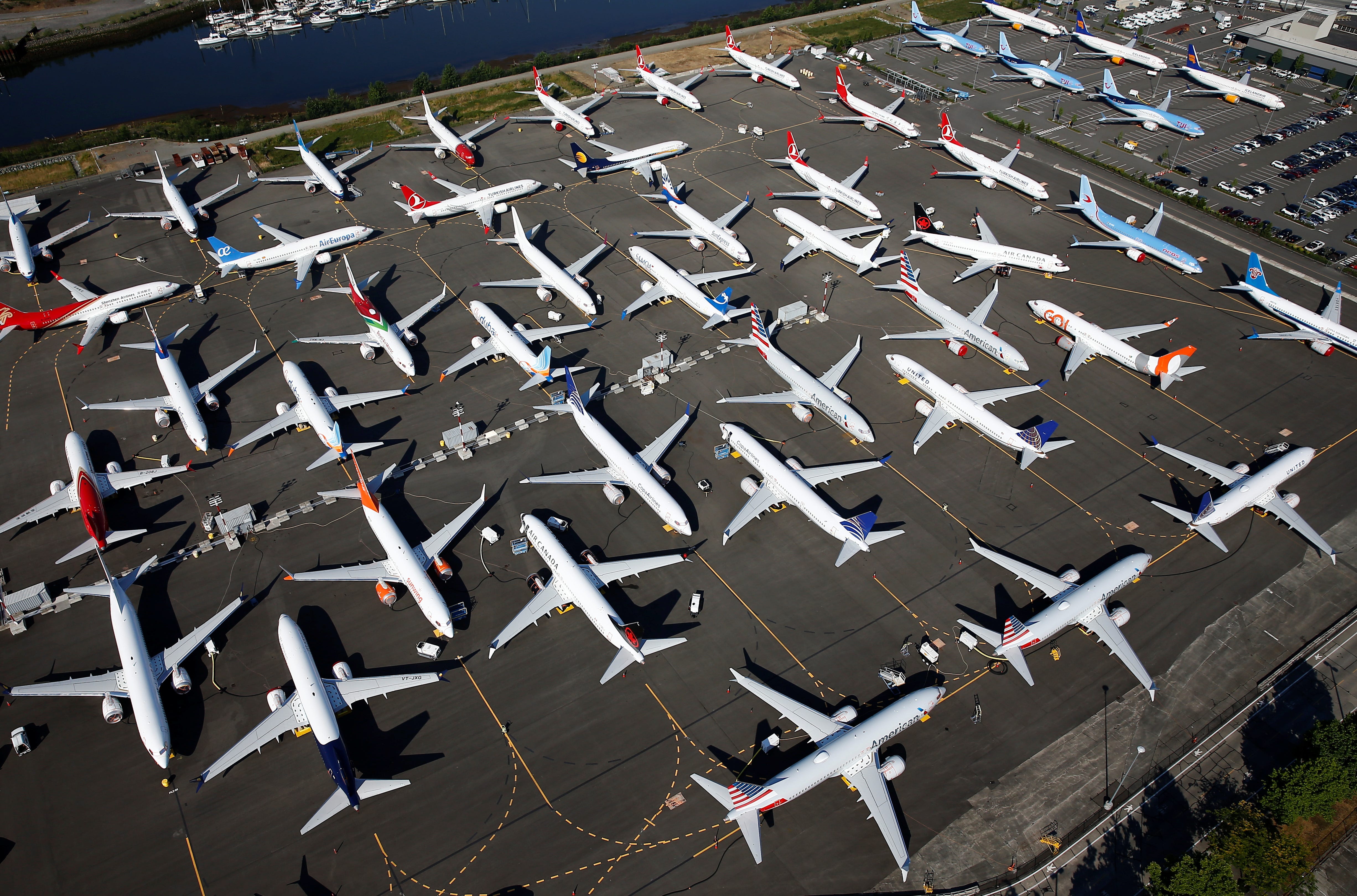
Demand isn’t Boeing’s problem either: Turkish Airlines ordered 100 737 Max jets in September and Lufthansa ordered 20, adding to the backlog of what Boeing calls its “bestselling jet ever.” The constraint is the factory. Boeing is still working towards its target of 47 737 Max jets a month, and chief executive Kelly Ortberg admitted last month that getting there has “taken longer than expected,” a phrase that could serve as the company’s motto for most of the past decade. For airlines and the travellers who fly with them, that matters more than any order announcement. Every late plane is a route that doesn’t launch, a fare that doesn’t fall and an ageing jet kept flying longer than planned. A related headline on the same page notes the FAA has delayed certification of the larger 737 Max 10 because of a software bug, which suggests the waiting-list economy at Boeing isn’t over yet. So I’d call September a good month rather than a turning point. Boeing has shown it can build planes faster; the next step is showing it can keep doing it month after month.
Or Cheat —
Ten per cent back on a hotel room used to be a loyalty perk. It is now closer to an industry standard, and Rafat Ali’s piece for Skift this week shows that the companies offering it mostly aren’t hotel companies at all. Uber gives Uber One members 10% in ride credits on hotels supplied by Expedia, a business we’ve already seen it run at break-even by design. Robinhood offers Platinum cardholders 10% back on hotels and car rentals and 5% on flights, through the booking engine of Duffel, which says more than 90% of its partners are non-travel companies and that its bookings have passed $1B a year. Airbnb goes up to 15% on the hotels it features. Booking Holdings’ AI assistant Lola, from Kayak’s co-founders, charges $5 or $25 a month and passes the commission back as a lower room price, but expects about 90% of its active users to stay on the free tier, where there is no discount at all. That is one way to make a giveaway pay for itself. Meanwhile, the hotel booking specialist in this story offers the least: Expedia’s free OneKey members get 1% back, a tenth of what Hotels.com once gave with its free night after every ten. The economics are simple once you see them. Hotel commissions are too thin to fund a 10% rebate on their own, so the money comes from somewhere else: Uber’s subscription, Robinhood’s card fees (the Platinum card costs $695 a year, which buys a lot of rebates) and Airbnb’s hope of converting hotel guests into home guests. The same booking is worth different amounts to each company, and the one with the most profitable business behind it can give away the most. For travel companies, that’s an uncomfortable position. When the rebate is the marketing, the companies with the best rebates win the customer, and right now those companies sell rides, stock trades and credit cards.
For hotels, the question I’d ask is simpler: if everyone is happy to give the guest 10%, who is getting the commission?
Praying for all to have a wonderful week! ✊🏾 Margin Call is issued weekly on Tuesdays, found only on Pay Me in Plane Tickets!