


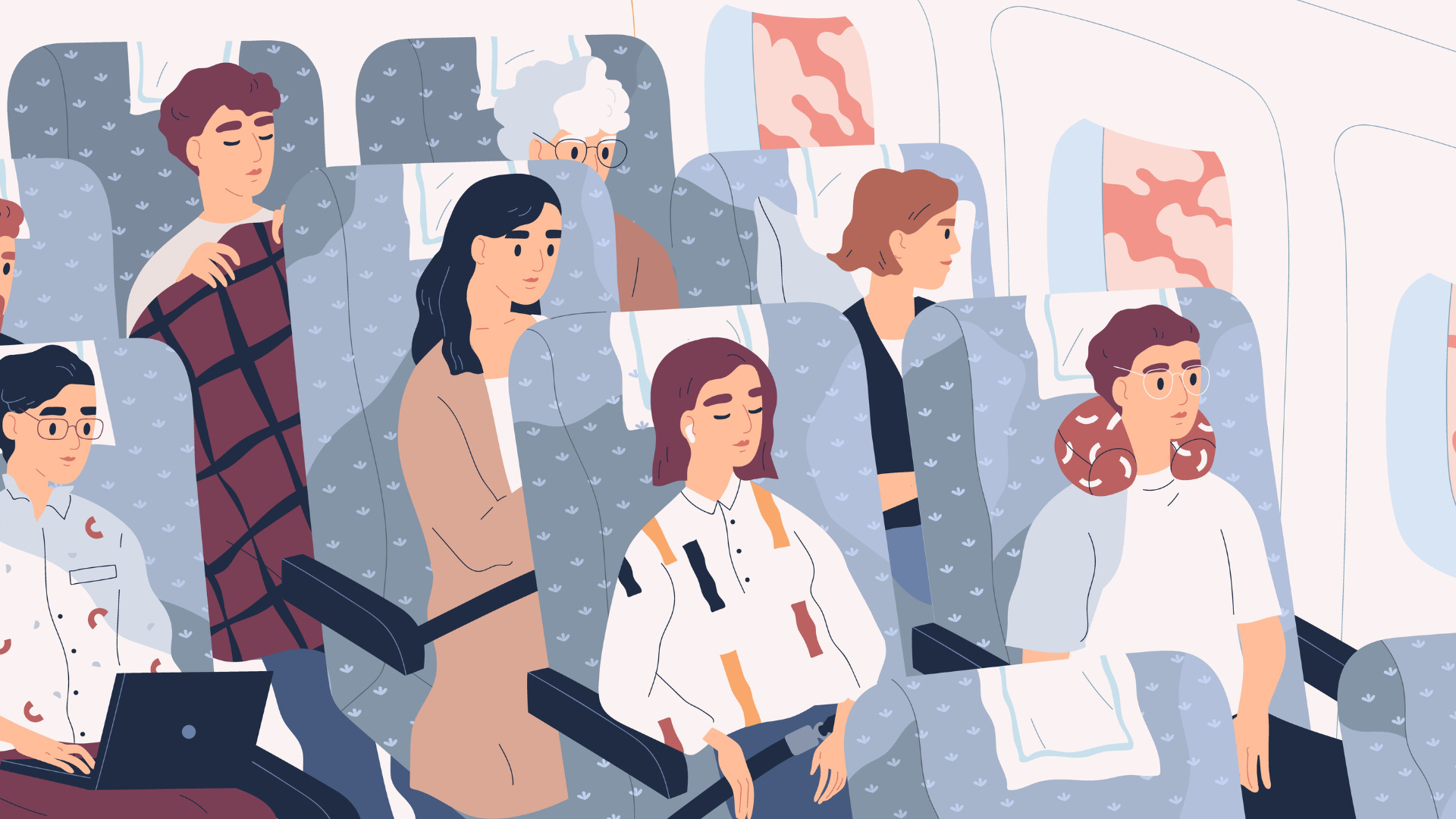
There is a specific, quiet desperation that settles in the cabin of a long-haul flight just as the sun begins to bleed over the Atlantic. It is the moment when the cabin lights flicker to a simulated dawn, and the passengers—drawn from the four corners of their own anxieties—awaken to the realization that they have successfully transported their physical bodies across an ocean, yet their minds remain stubbornly tethered to the very things they sought to escape.
Travel has long been marketed as the ultimate panacea, a spiritual rinse for the grime of modern existence. Neurological studies suggest that new environments trigger neuroplasticity; the brain, forced to navigate the unfamiliar, creates new pathways. But as the ‘experience economy’ has evolved into a global imperative, the psychological toll of the journey has begun to outweigh the destination.
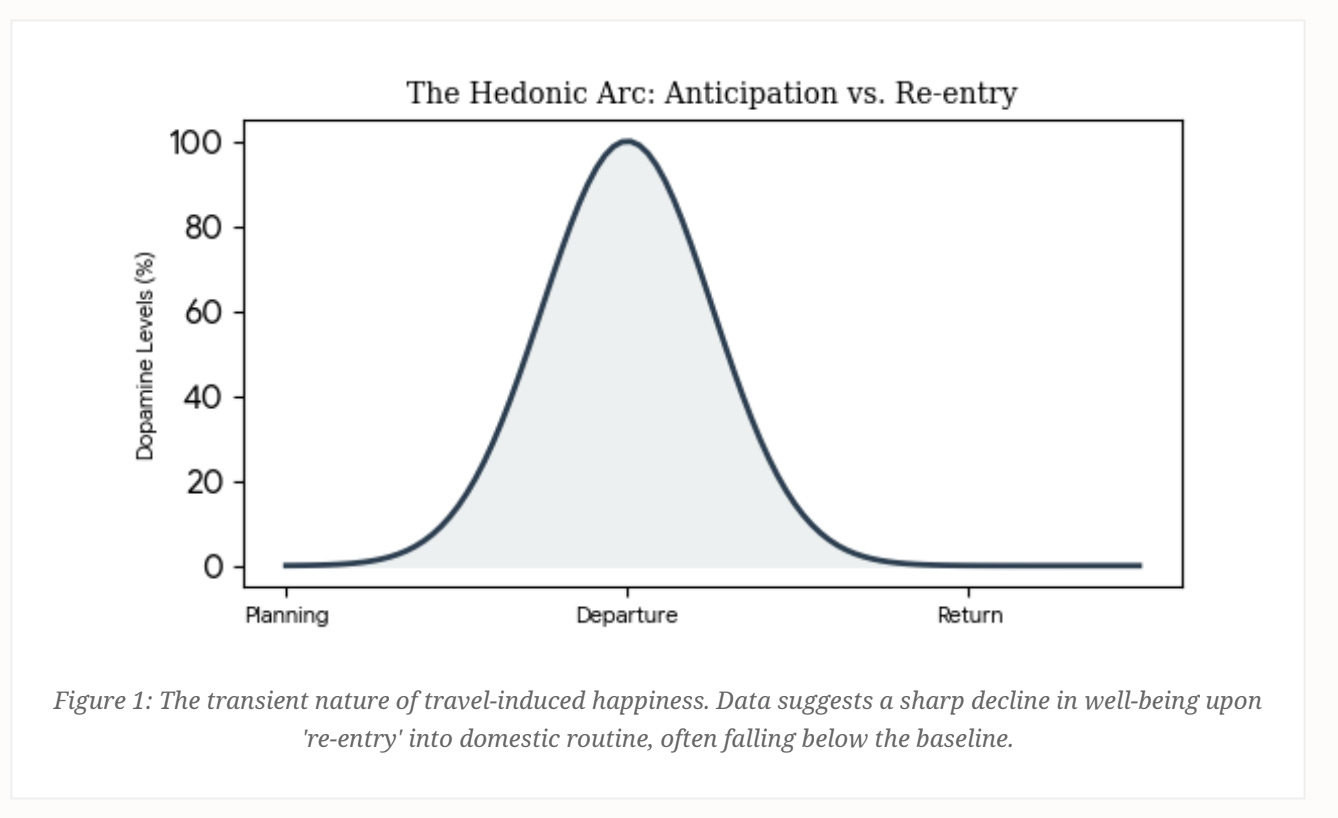
The ‘Post-Travel Blues’ are not merely a nostalgic hangover. They are a neurochemical crash. We manufacture a year’s worth of dopamine in a ten-day stint, only to return to a grey cubicle where the contrast creates a profound sense of mourning. Travel does not always heal; sometimes, it merely highlights the cracks in the foundation of our daily lives.
Perhaps the most insidious evolution in our wanderlust is the financial wreckage left in its wake. In an era of ‘Buy Now, Pay Later’ (BNPL) and high-interest credit cards, the barrier to entry for the ‘luxury’ experience has vanished, replaced by a looming debt shadow. We are witnessing a rise in ‘Social Debt’—the act of borrowing against one’s future security to fund a present-day performance of success.
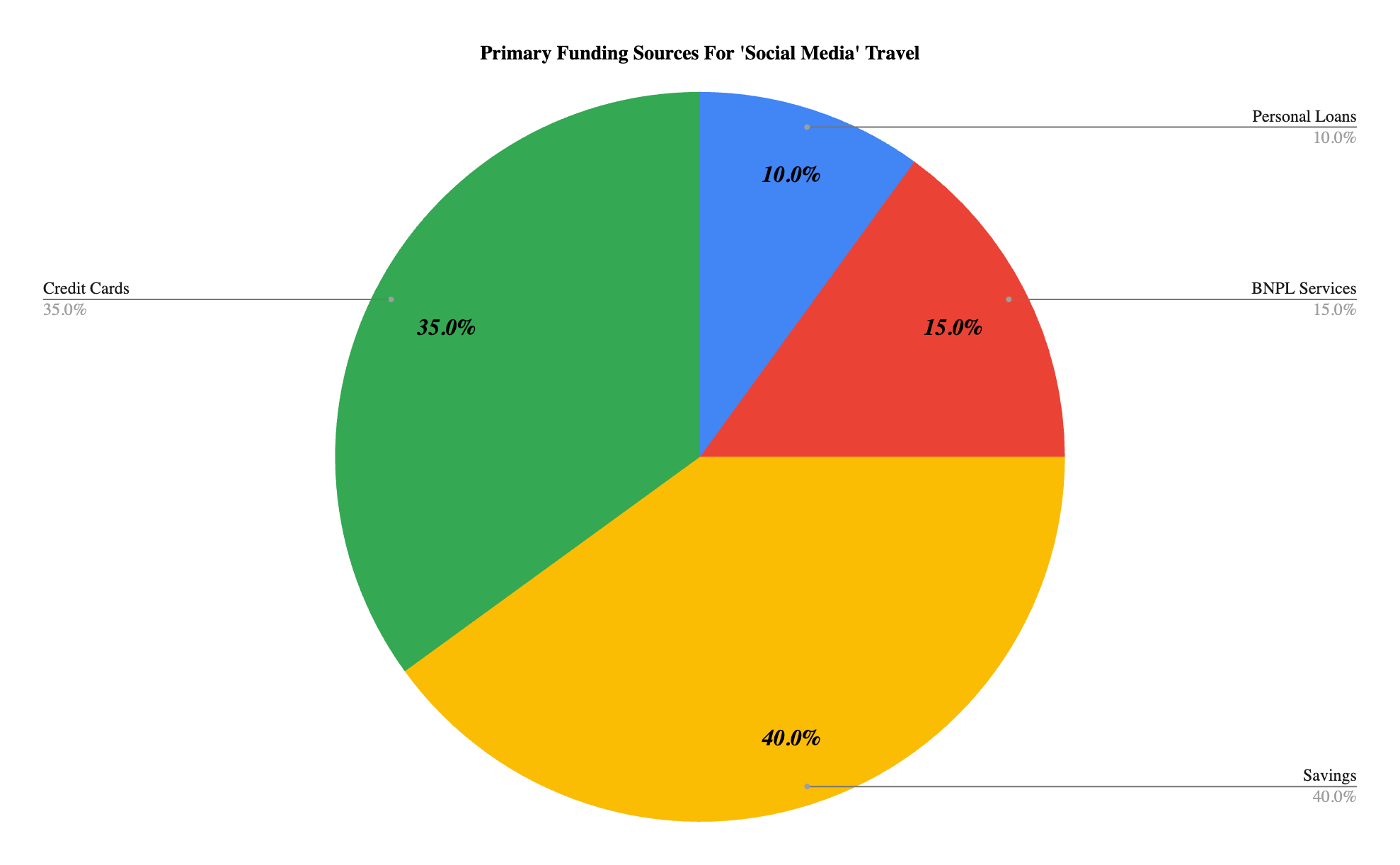
This financial recklessness is fueled by the digital panopticon of social media. We no longer travel to see; we travel to be seen. The pressure to curate an aesthetic of effortless leisure has turned the traveler into a content producer, and the destination into a back-lot set. It is a pantomime of the elite life, performed by the middle class, funded by the banks.
“We are the only creatures who will spend money we don’t have, to impress people we don’t like, with photos of places we didn’t actually look at.
— A modern turn on Will Rogers’ infamous quote
"Too many people spend money they haven't earned, to buy things they don't want, to impress people that they don't like".
— Will Rogers
When we view travel through the lens of comparison, we engage in a zero-sum game. To see a peer’s curated highlight reel is to feel a phantom limb pain for a life we aren’t living. But comparison is the thief of presence. If you are standing in front of a monument thinking about how your photo will look compared to a stranger’s, you are not truly there; you are in a digital purgatory.
The antidote is not to stop moving, but to change the direction of our gaze. We must reclaim travel as an act of internal exploration rather than external validation. Travel for the self is quiet. It is often un-photogenic. It involves the discomfort of being alone with one’s thoughts.
We must remind ourselves: never compare your ‘inside’ to someone else’s ‘outside.’ Their sunset is not a commentary on your sunrise. In the end, the only miles that matter are the ones that lead you back to a version of yourself that doesn’t feel the need to run away quite so often.