


There is a particular kind of traveler who returns from a trip with seven hundred photographs and not one phone number. Rodrigo Baena has built a small, persistent movement around the idea that this is a tragedy — not an aesthetic failing, exactly, but a missed appointment with the actual point of leaving home.
Listen to Rodrigo Baena on Pay Me In Plane Tickets Radio
Baena is Brazilian, well-traveled in the literal sense — Brazil, England, India, Portugal, the Pacific Northwest — and for a while he made his living as a “happiness coach” in Portland, Oregon, which sounds like the setup to a joke until you realize it’s the most on-the-nose résumé line imaginable for a man who would go on to found something called Long Life Locals. Happiness, it turns out, was never really the separate project. It was the rehearsal.
Long Life Locals began, as Baena tells it, from a kind of secondhand grief. He kept noticing travelers — good, curious, well-meaning travelers — arriving in extraordinary places and leaving with nothing but the place’s surface: the skyline, the sunset, the plate of food photographed before it was tasted. In a world where travel has become synonymous with snapshots and social media status updates, Long Life Locals emerged from a collective worry and sadness — the sense that a generation of tourists had perfected the art of visiting somewhere without ever quite arriving.
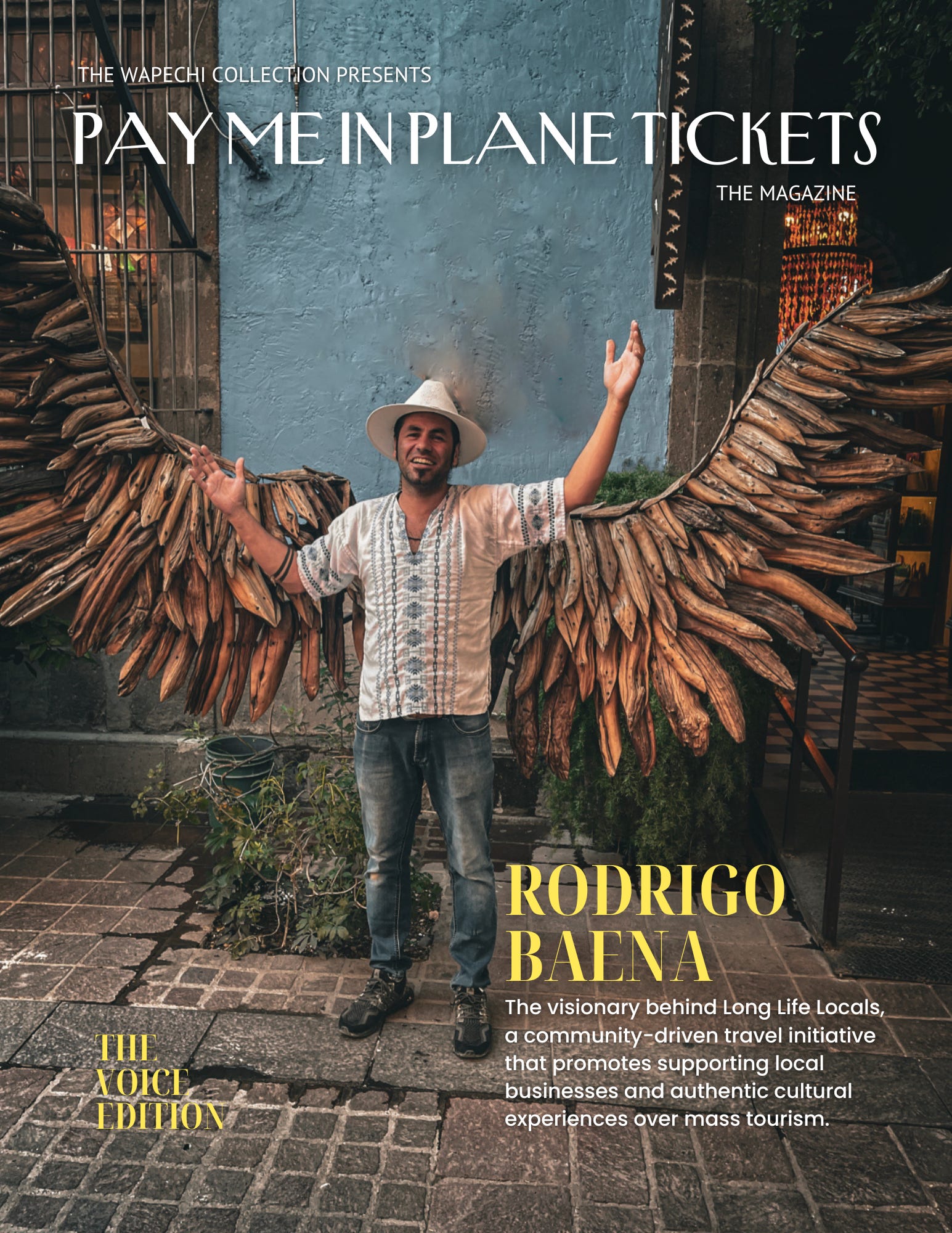
The project’s founding sentence, the one that does the most work, is this: we don’t travel to places; we travel to people’s homes. It’s a small relocation of emphasis, but it changes the whole itinerary. A place is something you can consume — walk through, photograph, check off. A home asks something different of you. You take your shoes off, metaphorically if not literally. You meet the people who keep the lights on.
This is, on paper, an argument against the dominant economic logic of modern tourism, which Baena has also made more bluntly: that the industry’s biggest hotel chains, booking platforms, and tour operators have spent decades optimizing for convenience and scale, generating enormous revenue while quietly displacing the small bakeries, markets, and family businesses that gave a destination its character in the first place. The market down the street, the one where the fishmonger remembers your name and the vendors ask after your week — that economy doesn’t show up in quarterly earnings, but it’s the one Baena thinks is actually worth saving.
What’s notable is how unglamorous his proposed solution is. Long Life Locals doesn’t pitch itself as a luxury “authentic experience” package, the kind of repackaged exoticism that five-star resorts have been selling for decades under a new label. It reads more like dispatches from someone actually doing the thing he’s recommending — a year spent living in Setúbal, Portugal, rather than passing through it; essays that wander into questions of identity and inheritance as easily as into restaurant recommendations; a stated belief that travel, done right, is less a hobby than “the greatest form of love distribution that the world has seen.”
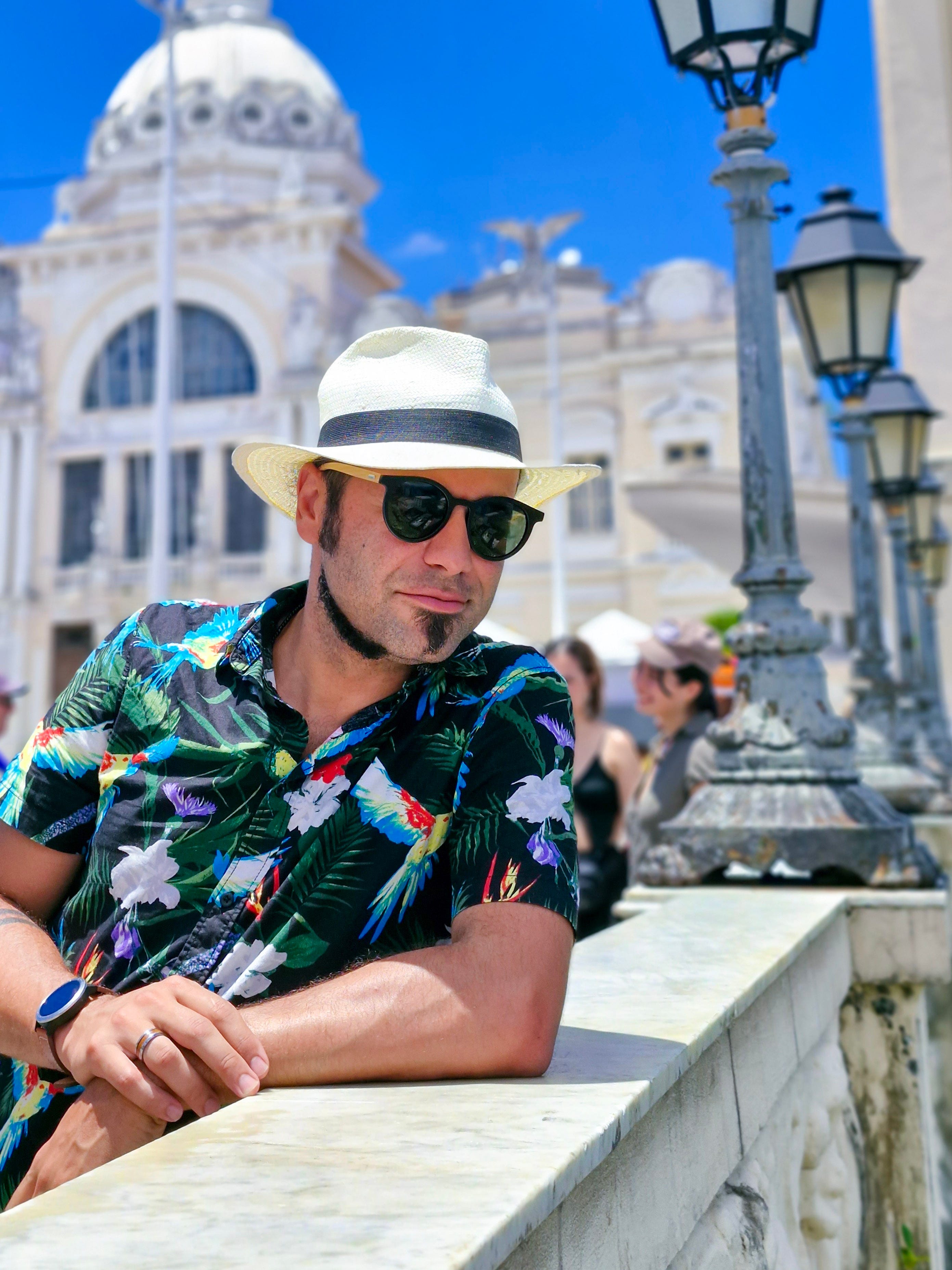
That line risks sentimentality, and Baena seems unbothered by the risk. There’s something almost old-fashioned about his sincerity in an era when most travel content arrives wrapped in irony or aspiration. He is making, in effect, a moral argument disguised as a travel tip: that where your tourist dollar lands is not a neutral logistical choice but a small act of allegiance, and that community empowerment and sustainable development are not buzzwords to bolt onto a brochure but the actual, measurable result of a thousand small decisions — this bakery instead of that chain, this homestay instead of that resort — made correctly, and often.
Whether this adds up to a movement or simply a very persuasive man with a blog and a mailing list is, admittedly, an open question — these things tend to look the same in their early chapters. But Baena’s bet is a sound one, even if it’s modest: that the future of travel won’t be decided by airlines or algorithms, but by whether enough people can be talked into wanting, for once, to know the name of the woman who sold them their coffee.
The line about traveling to people’s homes changes the whole question of what a good itinerary is. A place stops being a backdrop and becomes a set of relationships, permissions, and responsibilities. The best local encounter is not an authentic experience added to a route; it is the moment the route becomes answerable to the people who make that place livable.